
What is magnesium glycinate?
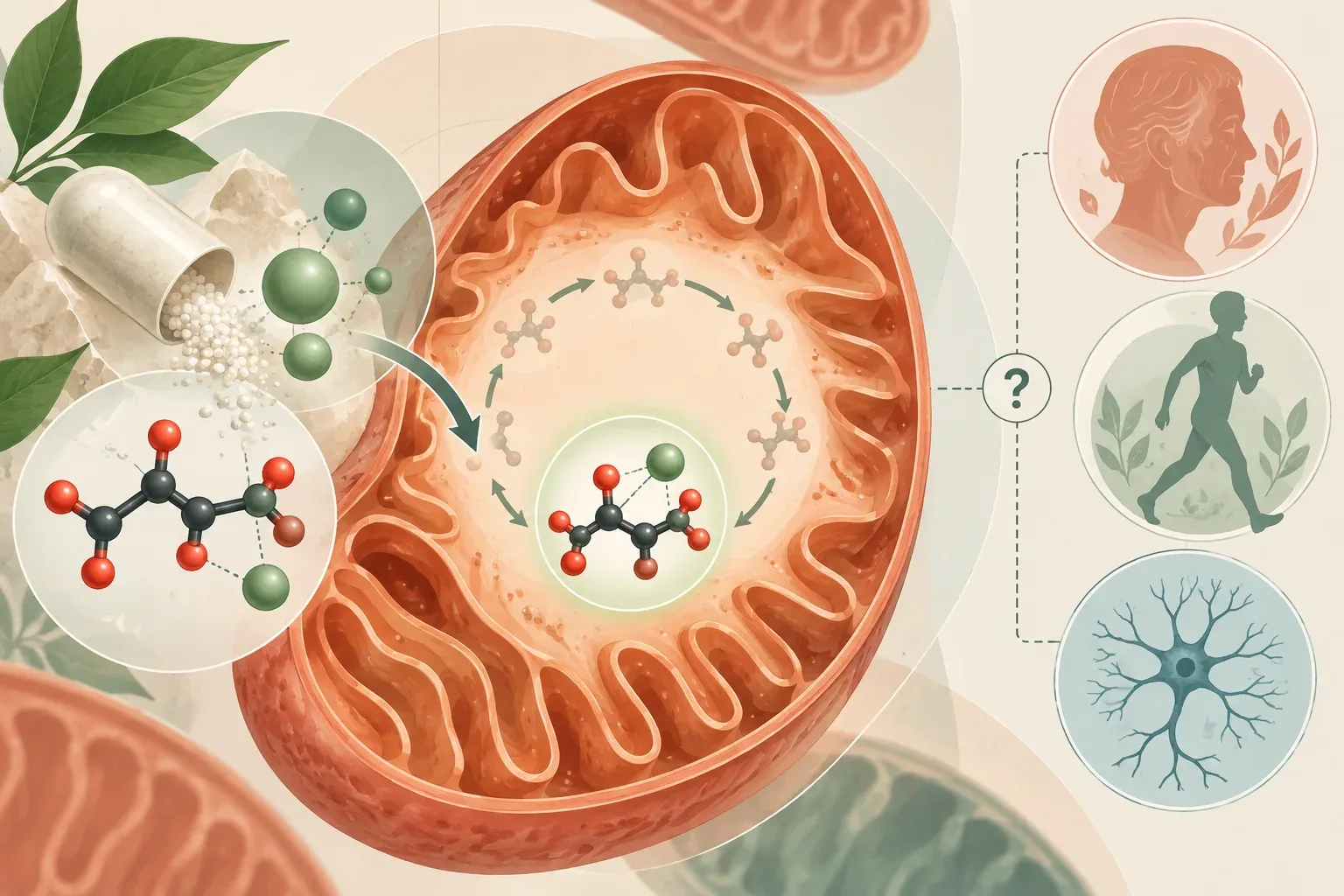
Magnesium glycinate is a supplement form that binds magnesium to glycine, an amino acid. Bisglycinate describes the form with two glycine partners for each magnesium ion. Products sold under the shorter glycinate name can differ: some contain bisglycinate alone, while others bind magnesium to a mixture of amino acids or add another magnesium salt.
It supplies magnesium, the mineral your body uses in muscle and nerve function and many enzyme reactions. Its popularity for sleep comes with a more specific question: does this form produce a useful sleep benefit? One recent trial found a small improvement in self-reported insomnia symptoms. It did not establish glycinate as the best magnesium form for sleep.
| What you are choosing | Practical meaning |
|---|---|
| Magnesium attached to glycine | Read the full form name, not just “glycinate” on the front |
| Elemental magnesium per serving | This is the magnesium amount to count |
| A form marketed as gentle | It can still cause loose stools; a universal tolerance advantage is unproved |
| A form studied for poor sleep | Early subjective results are modest; reliable immediate sedation is not established |
How do you read a glycinate label?
Start with the Supplement Facts magnesium line and the serving size. Magnesium 200 mg (as magnesium bisglycinate) means 200 mg elemental magnesium per listed serving. The glycine portion is already excluded from that number [1].
Pure magnesium bisglycinate is approximately 14% magnesium by weight. That helps explain why a compound amount can look so large: an illustrative 1,000 mg of pure bisglycinate contains roughly 140 mg magnesium. But you should not apply that percentage to a declared elemental amount, or to every product using “glycinate” in its name.
For a buffered product, read the form list to see whether another magnesium source, such as oxide, is included. Look for the elemental magnesium total. The share from bisglycinate may be undisclosed. A magnesium lysinate-glycinate chelate also contains lysine; it is a different preparation from plain bisglycinate.
Does magnesium glycinate help sleep?
A 2025 randomized trial enrolled 155 adults aged 18–65 who reported poor sleep. The active preparation supplied 250 mg elemental magnesium as bisglycinate and 1,523 mg glycine daily for four weeks; the comparison was placebo. Insomnia Severity Index scores fell by 3.9 points with the supplement and 2.3 with placebo, a small average advantage of 1.6 points. Other questionnaire outcomes did not show significant between-group differences [2].
The university funded the study; one coauthor disclosed nutraceutical research and honoraria relationships. Because the preparation supplied both magnesium and glycine, the trial cannot separate their contributions. It also did not compare glycinate with citrate or threonate.
A 2026 systematic review [3] found inconsistent results across magnesium sleep trials and rated the evidence low to very low certainty. Glycinate is therefore a reasonable magnesium source with a preliminary sleep signal, rather than an established insomnia treatment.
Will it make you sleepy straight away?
Participants took bisglycinate 30–60 minutes before bed and reported their symptoms over four weeks. Everyone followed the same bedtime schedule.
For dietary use, choose a time that fits your routine. For a comparison centered on stool effects and magnesium supply, see glycinate versus citrate.
Can glycinate still cause diarrhea?
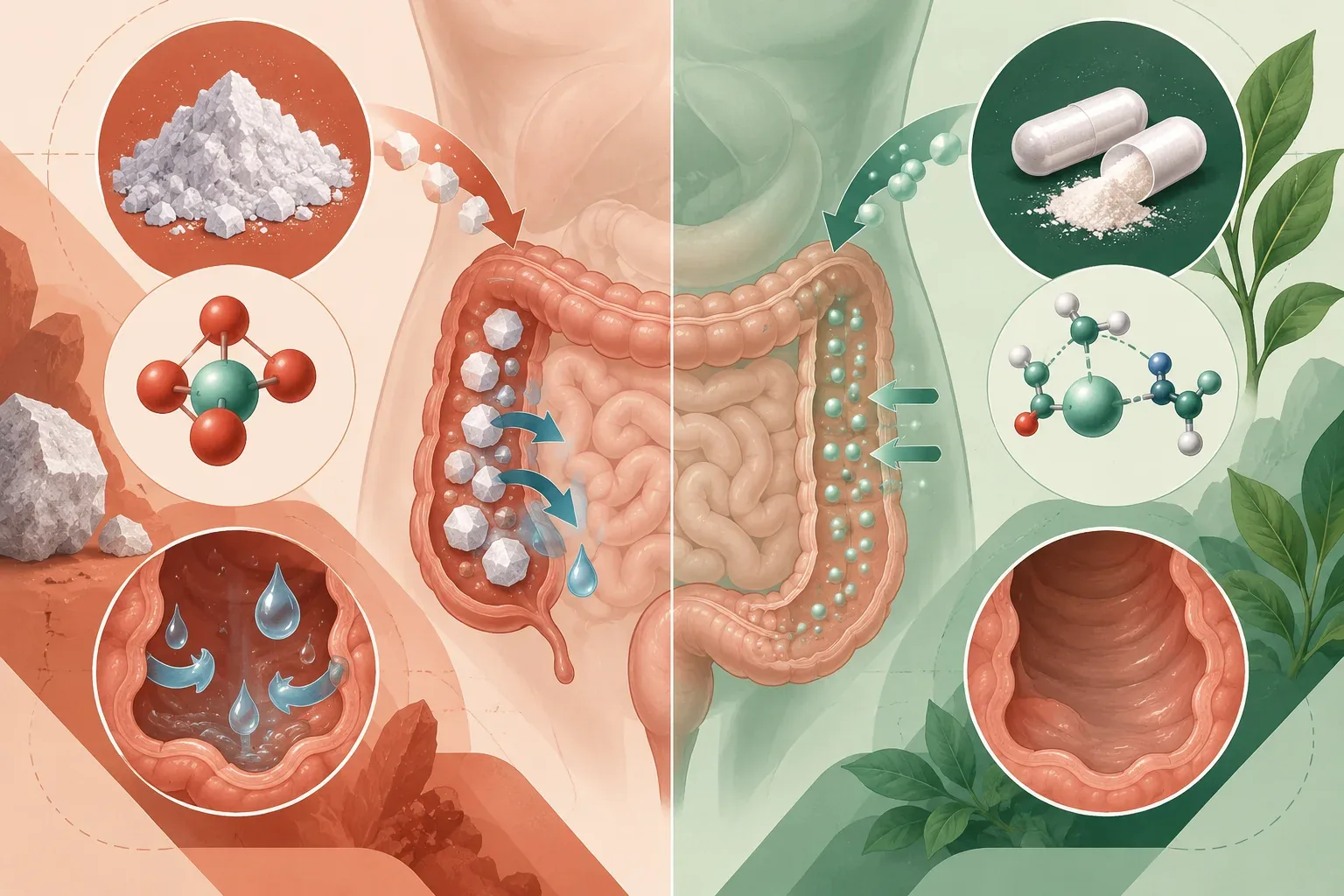
Yes. Magnesium remaining in the intestine can draw in water, and oral supplements can cause diarrhea, nausea or abdominal cramping [1].
The amount matters, as do other magnesium products you take that day. A higher elemental serving may be harder to tolerate even when the form name stays the same. A blend can also introduce other magnesium salts or ingredients.
Taking oral magnesium with food or dividing the serving may help tolerability; this is also used in clinical magnesium replacement guidance [4]. Persistent diarrhea is a reason to reduce or stop a nonprescribed supplement. If magnesium was prescribed for depletion, contact the prescriber about the dose or preparation.
How much should you take?
Use the elemental amount needed for your dietary or clinical purpose. Adult recommended intakes are 310–420 mg daily depending on age and sex, including food; the general adult upper limit is 350 mg from supplements and magnesium medicines. The 250 mg used in the sleep trial is a studied amount, not a new daily requirement [1].
If the panel lists 200 mg per two capsules, one capsule supplies 100 mg. Taking the full two-capsule serving and another 200 mg product later in the day gives 400 mg total, regardless of whether its magnesium is glycinate, citrate or threonate.
Neither glycinate nor another form needs adding automatically when your diet already supplies enough and you have no separate indication. The parent magnesium guide explains intake, symptoms and testing.
Who needs extra care?
If you have kidney disease, discuss supplementation with your clinician because reduced clearance can allow magnesium to build up. Glycinate also shares magnesium's interactions with certain antibiotics and oral osteoporosis medicines. These need appropriate spacing, even if the supplement is taken only at night [1].
The bottom line
If you need more magnesium, glycinate is an option when the elemental amount fits your intake and you tolerate it. Check the ingredients if you want plain bisglycinate. Some products add another magnesium salt, and glycinate can still cause diarrhea.
For sleep
In adults with poor sleep, the insomnia score fell by 3.9 points with a daily bisglycinate preparation and 2.3 points with placebo over four weeks. That small difference is the benefit to weigh when deciding whether to buy it specifically for sleep.
Help us improve this article
Spotted an error or found a source we should consider? Tell us which part of this article needs another look and include a link if you have one. Please leave out personal health details and lab results; we can’t answer individual medical questions.
More about magnesium




Nutrient connections worth understanding
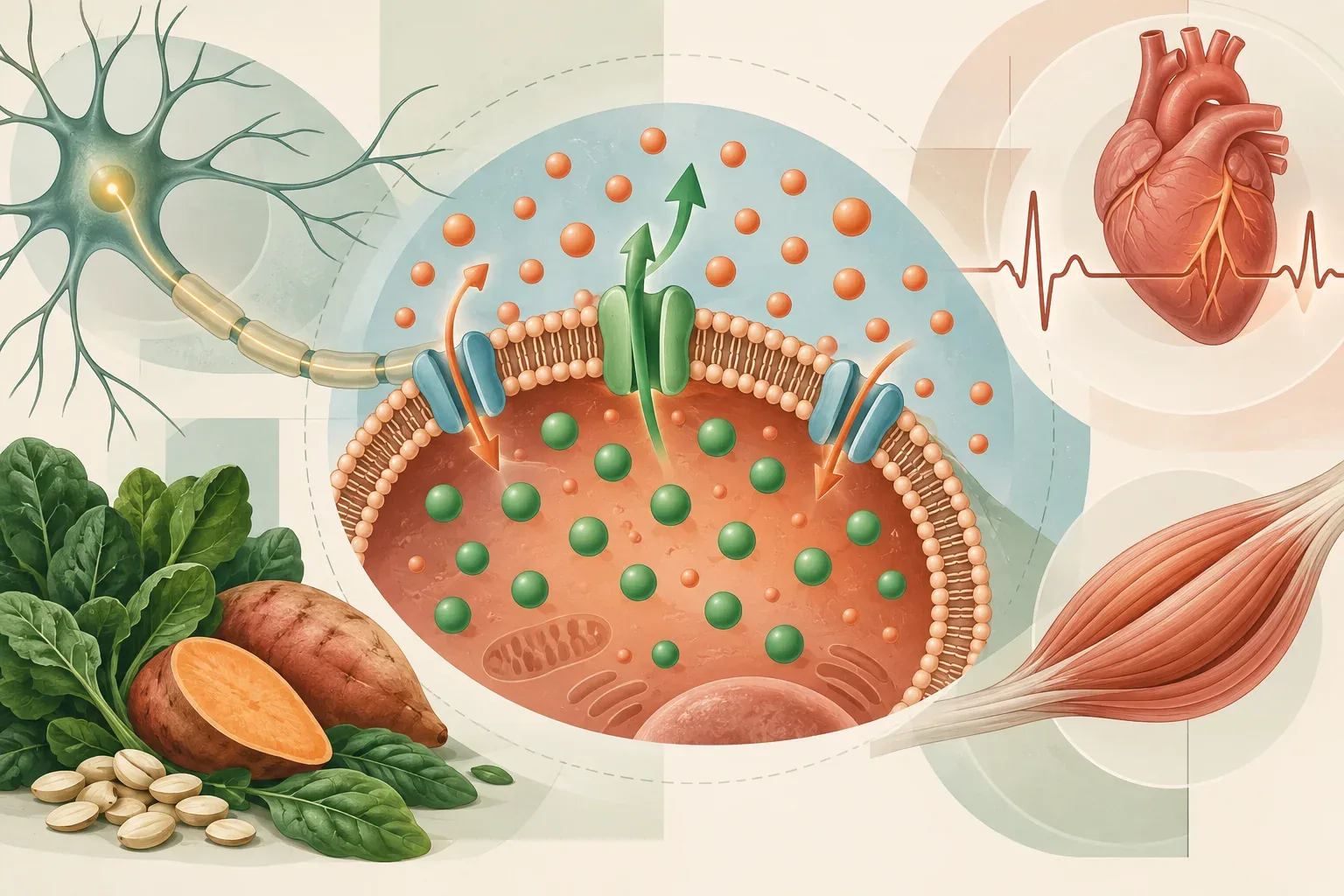 Nutrient balance
Potassium: Food, Supplement Amounts and When to Seek Advice
Connection details
Context: hypomagnesemia with low potassium
Hypomagnesemia makes low potassium hard to fix.
Source for this connection
 Nutrient use · Disputed pairing
Vitamin D
Connection details
Context: vitamin D enzymes
Vitamin D enzymes use magnesium.
Source for this connectionContext: D fails if magnesium is low
That is not the same sentence as D fails if magnesium is low. A D3 capsule can still raise 25-hydroxyvitamin D.
Source for this connection