
What is vitamin D?
Vitamin D helps the body absorb calcium and phosphate and maintain bone. Skin can make it after sun exposure, while food, fortified products and supplements provide it too. Most supplements use D3, also called cholecalciferol, or D2, called ergocalciferol.
For most adults through age 70, the recommended total intake is 15 micrograms, or 600 international units, daily. Above age 70 it is 20 micrograms, or 800 international units. Those amounts assume minimal sun exposure; they are not the same as treatment for an established deficiency.
What does vitamin D do in your body?
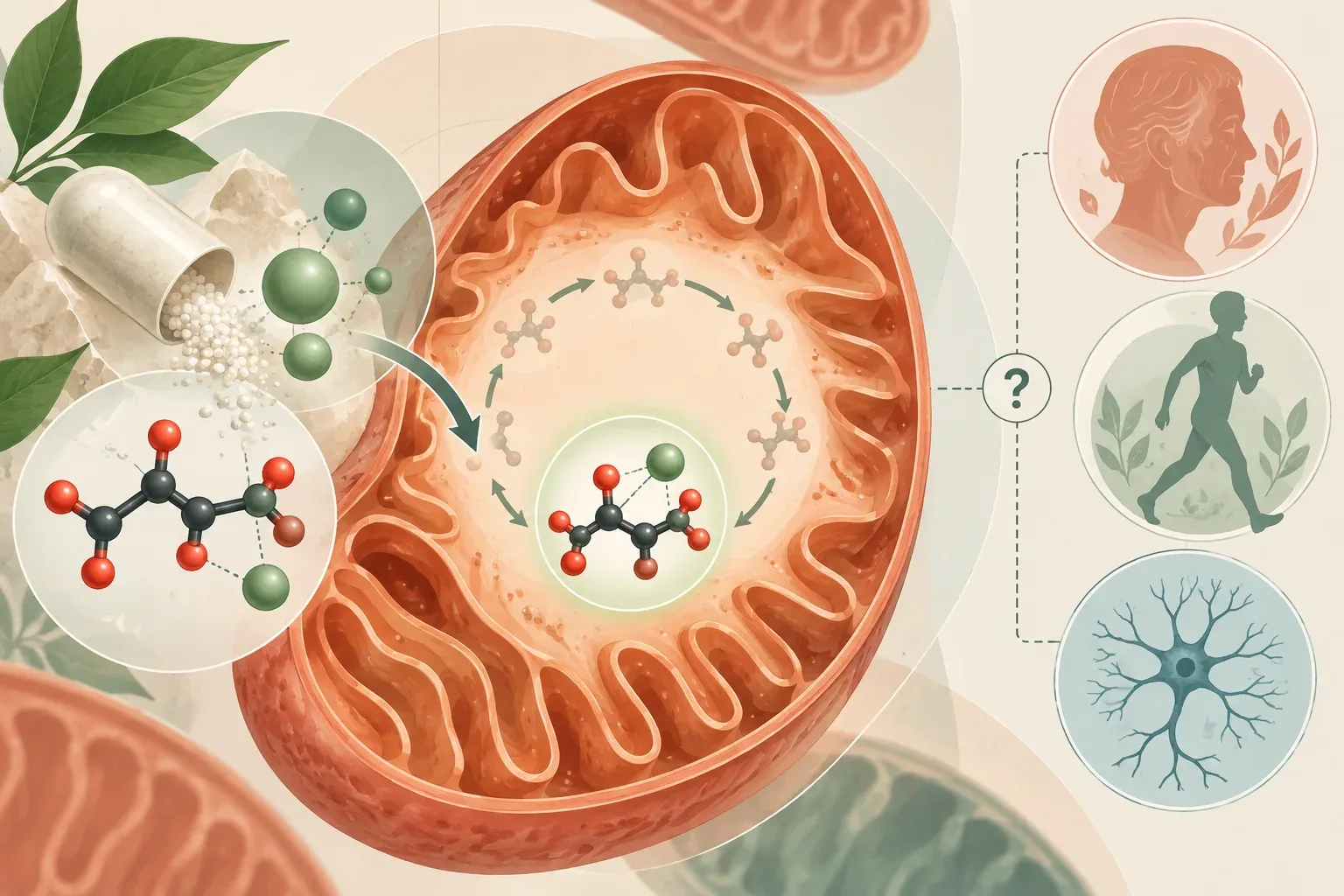
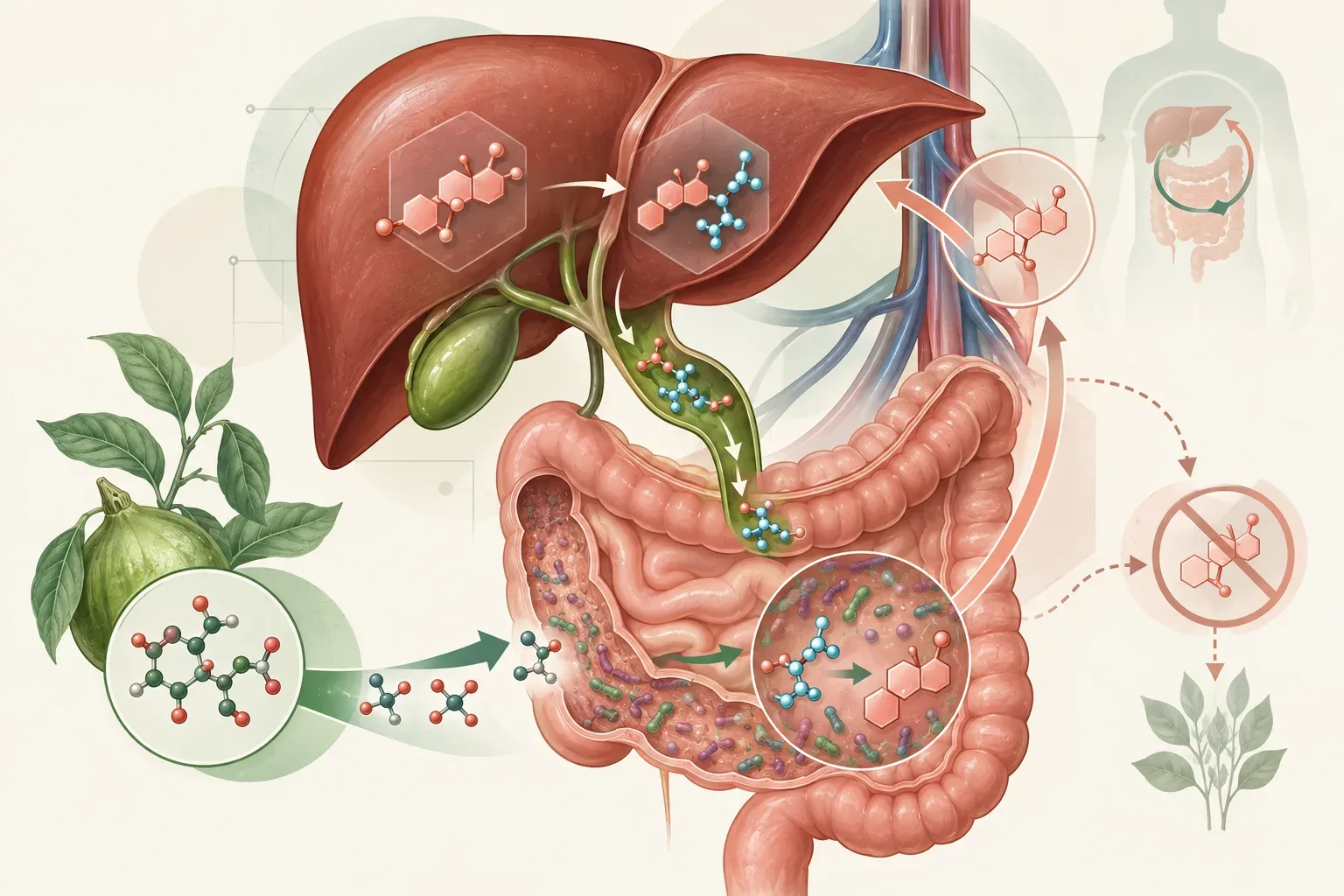
Vitamin D from skin, food or an ordinary supplement first needs processing. The liver converts it into 25-hydroxyvitamin D, abbreviated 25(OH)D, the same form that's used to assess vitamin D's amount in blood tests. A further step, mainly in the kidneys, produces calcitriol, the active hormone.
Calcitriol binds a receptor inside cells and changes the activity of particular genes. In the intestine, this helps the body absorb calcium and phosphate. Together with other hormones, it helps maintain the mineral supply needed for normal bone mineralization and muscle function. Without enough, growing bones can develop rickets and adult bones can become poorly mineralized.
Why do people take vitamin D?
| Claimed benefit | Dose / form studied | Research verdict | Evidence strength |
|---|---|---|---|
| Correcting deficiency and related bone disease | Treatment chosen for diagnosis; no universal replacement schedule | An established medical use, distinct from high-dose general prevention. | Strong |
| Preventing major cardiovascular events or invasive cancer | VITAL: 2,000 international units D3/day, about 5.3 years | The main prevention outcomes did not improve in adults not selected for deficiency. | Moderate |
| Preventing fractures in the VITAL population | The same daily D3 regimen | Fracture risk did not clearly differ in this general-prevention trial. | Moderate |
| Preventing diabetes in high-risk prediabetes | Three trials used different D3 regimens or an active analogue | D2d alone was inconclusive; the pooled result favored supplementation. | Moderate |
| Preventing respiratory infections | Varied daily and intermittent schedules | The 2025 pooled result did not establish a clear overall benefit. | Review pending |
| Preventing depression in older adults | 2,000 IU D3/day for about 5 years | VITAL-DEP found no meaningful improvement in mood or depression incidence. | Moderate |
| Preventing autoimmune disease | 2,000 IU D3/day in VITAL | An initial favorable finding became uncertain when more cases were confirmed. | Review pending |
Low dietary intake, limited sun exposure or a clinical deficiency can justify a supplementation plan. These are different situations from adding a high-dose product to prevent many diseases despite already adequate intake.
When to ask a doctor before taking vitamin D
Discuss supplementation first if you have high blood calcium, kidney disease, kidney stones, overactive parathyroid glands, sarcoidosis or another condition that changes calcium handling. Review an existing treatment plan and medicines too: thiazide diuretics, such as hydrochlorothiazide, reduce calcium loss in urine, so combining them with vitamin D can raise blood calcium. A high 25-hydroxyvitamin D result deserves review of your vitamin D intake and the cause, rather than pursuit of an even higher target.
The Endocrine Society's 2024 prevention guideline generally advises healthy adults under 75 to follow established dietary amounts rather than routinely taking extra. It suggests supplementation for some specific groups, including adults 75 and older, pregnancy and high-risk prediabetes. Pregnancy guidance appears in its own section below, including counting a prenatal toward the total and agreeing the amount with the maternity clinician. These population-specific suggestions do not establish one universal high dose or blood target.
Common dosage and food
The recommended daily amounts from the National Academies rise from 15 mcg/600 international units to 20 mcg/800 international units at age 71. The Endocrine Society's separate age-75 line concerns whether extra supplementation without first diagnosing deficiency might help. The ages differ because the recommendations answer different questions.
For vitamin D, 1 mcg equals 40 international units, usually abbreviated IU on labels. The adult upper limit is 100 mcg, or 4,000 IU, per day from all sources. A daily 5,000 IU serving is 125 mcg and exceeds it. Medical replacement may use another regimen under supervision.
Selected values from the NIH Office of Dietary Supplements food table[1] show the stated food and preparation. Amounts are per serving.
| Food and preparation | Source | Serving | Vitamin D (mcg) |
|---|---|---|---|
| Rainbow trout, farmed, cooked | Fish | 3 oz (about 85 g) | 16.2 mcg |
| Sockeye salmon, cooked | Fish | 3 oz (about 85 g) | 14.2 mcg |
| White mushrooms, UV-exposed, raw | Plant | ½ cup | 9.2 mcg |
| Milk, 2%, fortified | Dairy | 1 cup | 2.9 mcg |
| Breakfast cereal, fortified to 10% DV | Fortified | 1 labeled serving | 2.0 mcg |
| Egg, scrambled | Egg | 1 large | 1.1 mcg |
If you eat a vegan diet without vitamin D-fortified foods or UV-exposed mushrooms, you may get very little vitamin D from food. The UV-exposed mushrooms in this table supply 9.2 mcg per half cup, but ordinary mushrooms may supply far less. Fortified products also vary by brand, so check their labels rather than counting a plant drink or cereal automatically.
Sun exposure varies too much to turn a fixed number of minutes into a reliable individual dose. The official amounts already assume minimal sun. Review your food and supplement labels rather than counting uncertain sun exposure as measured micrograms.
Vitamin D can be taken with a meal; fat can help absorption. No general morning-versus-night schedule has been proved best. A prescribed weekly or monthly regimen should not be changed into another schedule by simple arithmetic.
The milk figure above is a US food-table example, not a universal standard. Canada's increased requirement supplies 5 mcg vitamin D per 250 mL of specified dairy milk after its December 2025 compliance deadline. Finland broadly recommends vitamin D in milk and spreads, while an individual plant drink may use D2 or D3. Count the amount on your own pack alongside supplements. A change in national fortification levels can change that total even when your shopping habits stay the same. [2], [3]
What changes how much you absorb
Dietary fat in the gut improves vitamin D absorption, although NIH notes[1] that some is absorbed without fat. Difficulty absorbing fat and the weight-loss medicine orlistat can reduce uptake. The official review does not give one percentage loss that applies to every meal or person, so a precise meal-fat rule would overstate the evidence. D3 and D2 both enter through the gut; a difference in blood 25(OH)D after dosing also reflects what happens after absorption and is not simply a measure of how much crossed the intestine.
How can I tell if I'm low on vitamin D?
Low vitamin D often has no obvious symptoms. When deficiency becomes prolonged or severe, its clearest effects involve bones and muscles. Symptoms do not divide reliably into the same categories as blood-test cutoffs. Clinical descriptions[4] and the NIH fact sheet[1] distinguish these problems.
Low status without symptoms
Feeling well does not establish that vitamin D status is adequate. Conversely, tiredness alone does not identify vitamin D deficiency.
Prolonged or clinically important deficiency
Adults can develop osteomalacia, in which bone is poorly mineralized, with bone pain and muscle weakness. In children, rickets can cause bone pain, deformity and impaired growth.
Severe complications
Severe deficiency can contribute to low blood calcium, muscle spasms or seizures. These require medical assessment; seizures need emergency care.
Testing and interpretation
For more information about testing for vitamin D, see the lab tests and preparation details near the end of this article.
D3 vs D2: which form should you choose?
For most adults choosing an ordinary supplement, D3 is the simpler default because it usually raises total 25-hydroxyvitamin D more than the same amount of D2. D2 still works, and a prescribed D2 regimen should stay in place unless the prescriber changes it. A higher blood level from D3 has not been shown in these comparison studies to mean fewer fractures, cancers or heart attacks than D2.
| Form | Source or preparation | What matters when choosing |
|---|---|---|
| D3 / cholecalciferol | Commonly lanolin, a fat from sheep's wool | Usually raises total 25-hydroxyvitamin D more at equal amounts |
| Lichen-derived D3 | A vegan source of the same D3 molecule | D2 is not the only vegan option; check the ingredient and full product label |
| D2 / ergocalciferol | UV-treated yeast or mushrooms | Used in supplements and prescriptions; uses the same IU-to-mcg conversion as D3 |
| Calcifediol | The circulating form measured by the usual vitamin D blood test | Has different potency per microgram and needs its own dosing evidence |
| Calcitriol | The active hormone used in medical care | Not interchangeable with ordinary nutritional D2 or D3 |
Daily doses narrow the gap, but do not always remove it
The 2012 comparison review[5] found that D3 raised total 25-hydroxyvitamin D about 15 nmol/L more than D2, or about 6 ng/mL, across seven trials. The gap was about 34 nmol/L, or 14 ng/mL, after large intermittent doses. Its daily-dose subgroup did not establish a clear difference.
Individual daily trials also disagreed. A 2008 trial[6] found similar increases with 1,000 IU D2 or D3 daily for 11 weeks. A 2017 trial[7] in 335 women used 600 IU daily in juice or biscuits for 12 weeks and found a roughly 15 nmol/L greater rise with D3.
A 2024 review[8] revisited daily dosing using 12 comparisons measured by mass spectrometry, a laboratory method that distinguishes the vitamin D forms. D2 produced about 10 nmol/L less of an increase, or about 4 ng/mL. The subgroup with an average body mass index above 25 did not show that difference. This does not establish a personal BMI cutoff for choosing the form. The lead author worked for Scelta Mushrooms, which sells D2-enriched products. The result nevertheless favored D3.
A 2021 review[9] also favored D3 overall, although it included some nonrandomized studies. Together, the findings support D3 as a practical choice for raising the marker, with a gap that depends on the schedule and study population. They do not establish better long-term health outcomes than D2.
If you have a 50,000 IU D2 prescription
A label example for ergocalciferol[10] lists 1.25 mg per capsule. That is 1,250 mcg, or 50,000 IU. It is a treatment-sized amount, rather than an ordinary daily dietary serving. Follow the prescribed interval; do not choose the schedule from the capsule strength or substitute D3 on your own.
Both forms share the same adult upper limit. A prescription above that limit can have a legitimate purpose under supervision, but it does not create a routine supplement target. If you want to switch forms, the prescriber may need to adjust the amount, schedule or monitoring.
What to look for on the label
Which number should I use?
Read vitamin D in micrograms and IU per complete serving. If two products list 25 mcg and 1,000 IU, they declare the same amount. Count a multivitamin, calcium combination and separate D product together.
Label claims and common reading mistakes
A 5,000 IU serving treated as ordinary daily nutrition
That amount exceeds the adult upper limit if taken daily.
“With K2” treated as overdose protection
The K2 ingredient does not change the vitamin-D amount or prevent excessive calcium absorption. Read each nutrient separately.
Different vitamin D compounds treated as interchangeable D3
Calcifediol is the circulating form measured by the usual vitamin D blood test, rather than ordinary D3. Calcitriol is a different active hormone used in medical care. Their micrograms should not be substituted into an ordinary D3 or D2 regimen. A clinician must select the relevant preparation and amount.
How long should I take vitamin D supplements for?
If a supplement is filling an ongoing intake gap, continue covering that gap while it persists and reassess when your diet or circumstances change. A documented low blood level may need a clinician-directed correction phase followed by a lower maintenance intake and reassessment; the amount depends on the reason for the low result. NIH's review[1] does not establish a universal loading duration or taper. A high correction dose needs review before becoming a long-term routine.
How vitamin D interacts with other nutrients
Calcium: vitamin D helps you absorb it
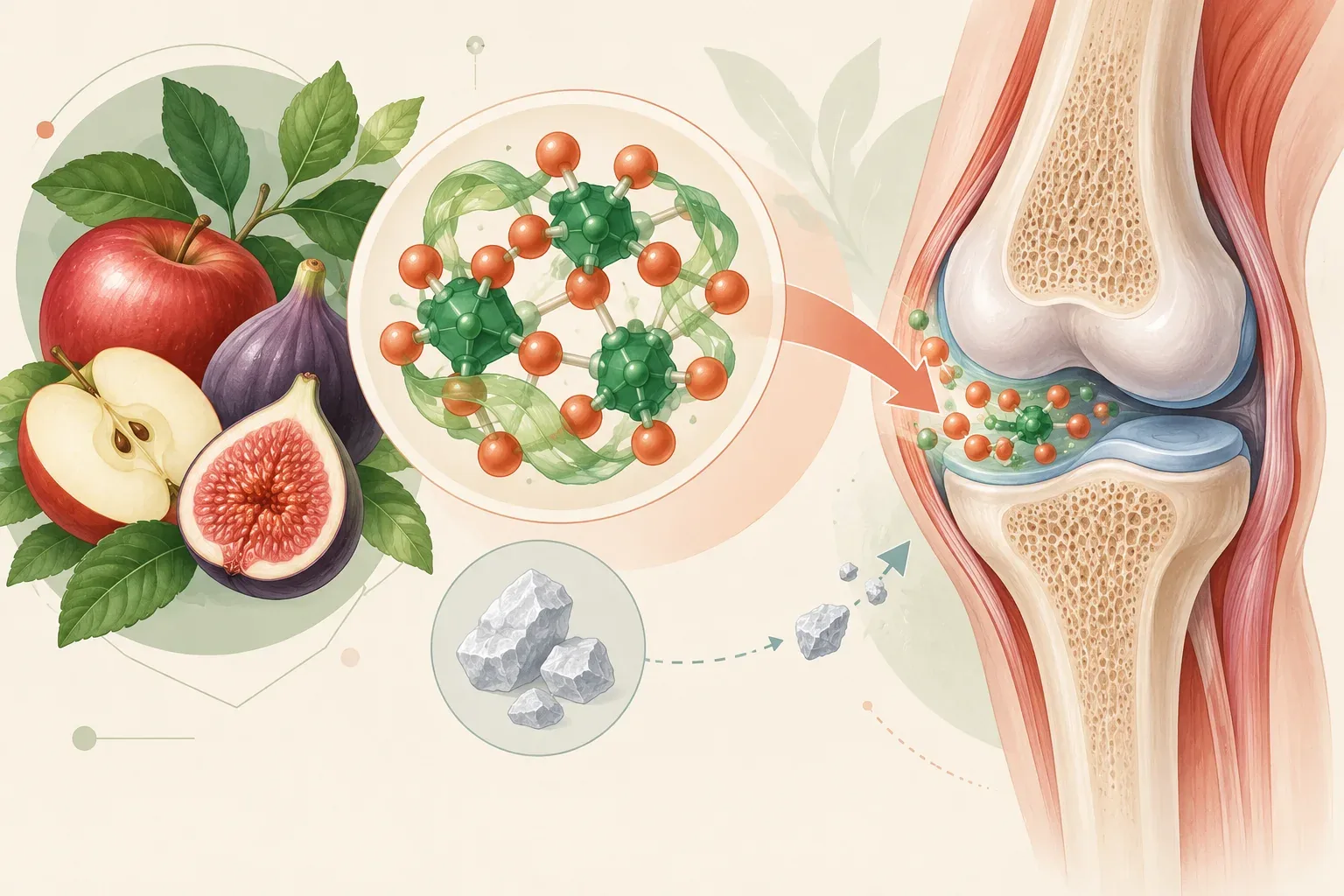
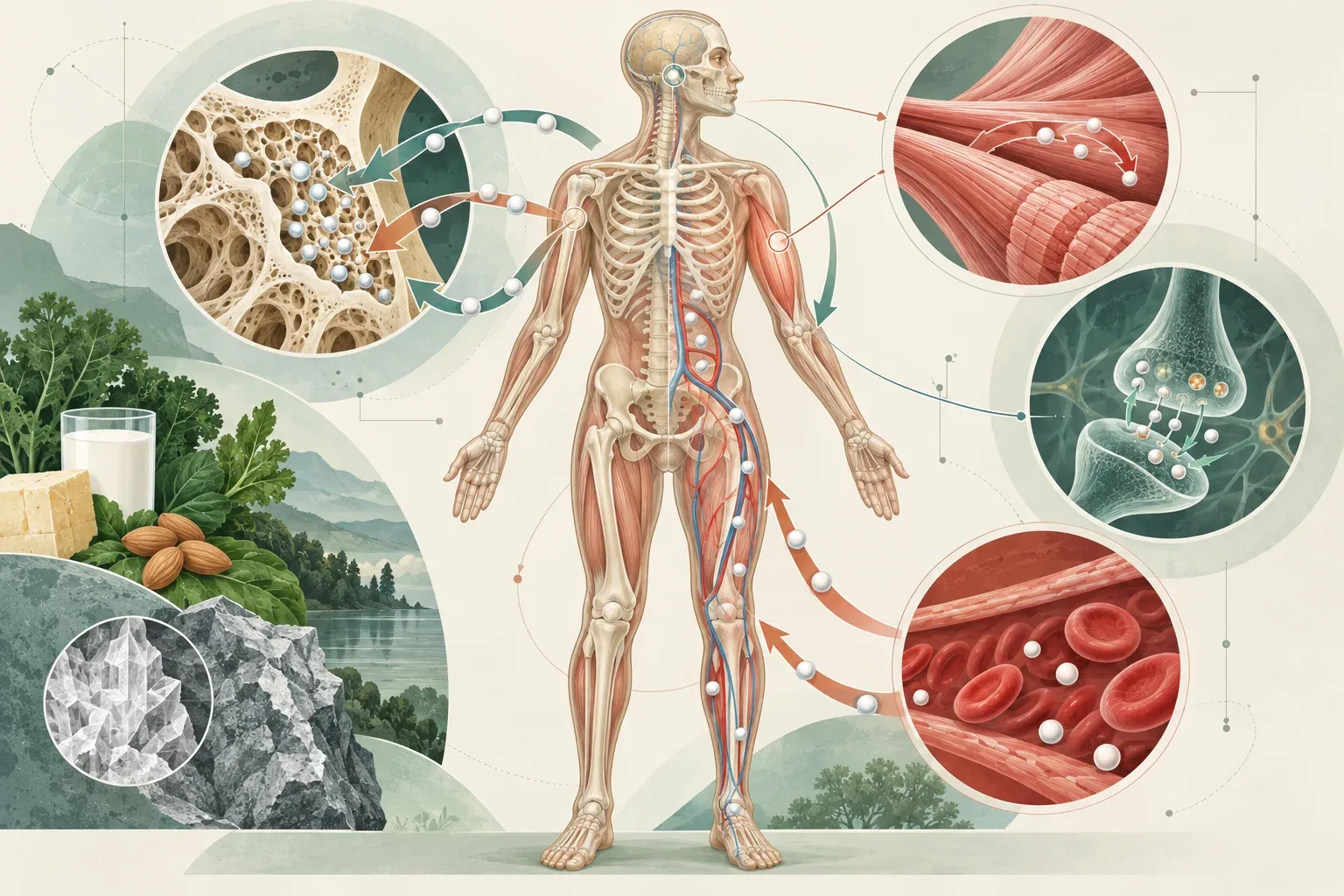
Vitamin D helps the intestine absorb calcium from food and supplements. Calcium then supplies mineral for bone and supports functions such as muscle contraction and nerve signaling. If calcium intake is too low, correcting vitamin D alone does not supply the missing mineral. If food already provides enough calcium, taking vitamin D does not automatically create a need for an additional calcium pill.
The combination also needs attention to the total amounts. In the Women's Health Initiative trial[11], calcium plus vitamin D increased kidney-stone risk and did not clearly reduce hip fractures in the main analysis of generally healthy postmenopausal women. That finding does not rule out treating a genuine deficiency or using the combination in a bone-care plan; it argues against adding both without considering what is already supplied.
Magnesium: helping the vitamin D pathway work
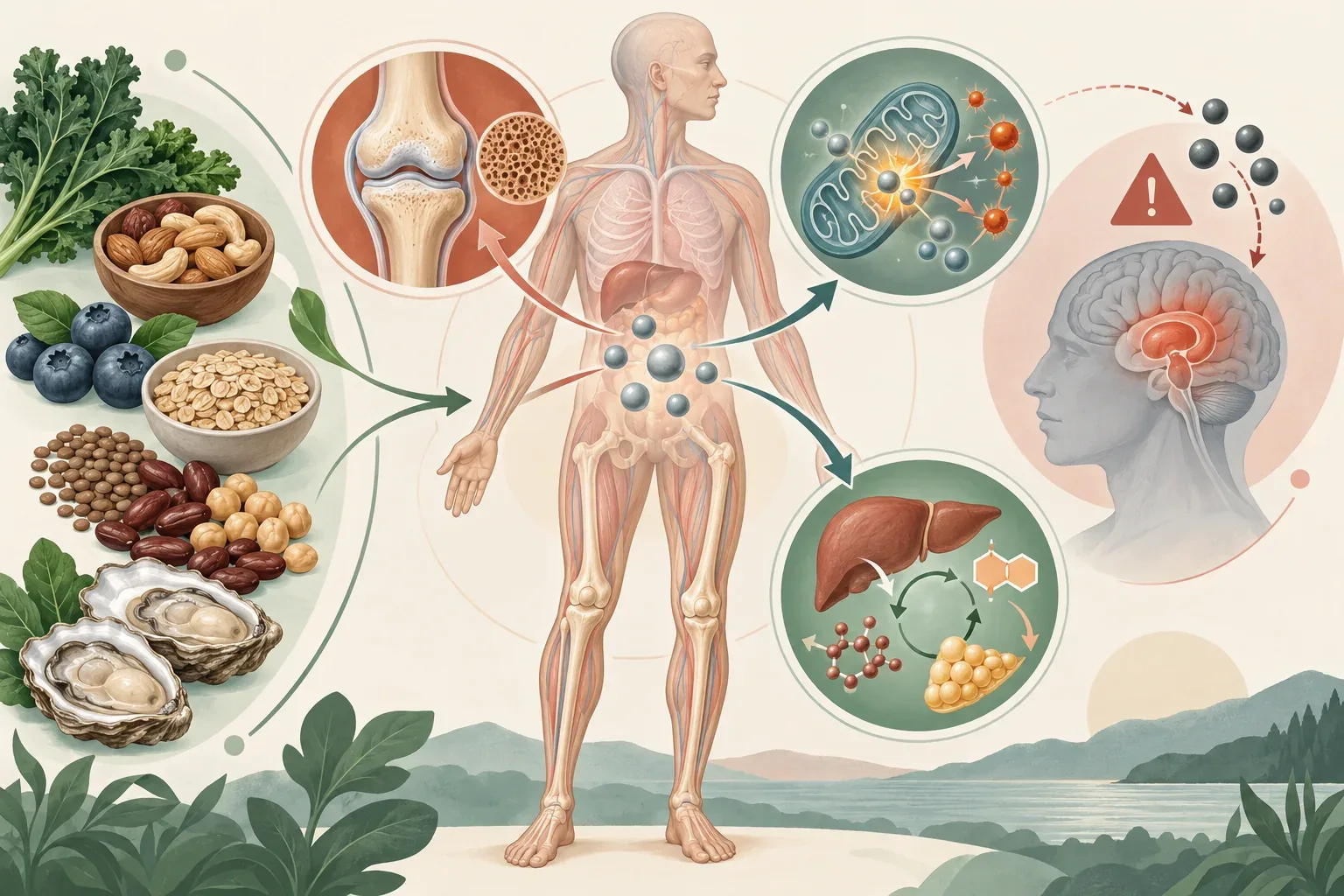
Vitamin D needs several processing steps before it becomes the active hormone. Magnesium supports the enzyme systems and hormone regulation involved in that process. A severe magnesium shortage can therefore complicate vitamin D and calcium metabolism; increasing vitamin D alone may not address the underlying problem.
That does not mean every vitamin D user needs a magnesium capsule. In a 12-week randomized trial[12], magnesium raised or lowered blood concentrations of 25-hydroxyvitamin D3, one component of the usual vitamin D blood test, depending on the starting concentration. It did not simply raise vitamin D levels in everyone. The useful question is whether magnesium intake or status is inadequate, not whether a fixed D-to-magnesium ratio appears on a combination label.
Vitamin K: a separate role in bone and blood-vessel proteins
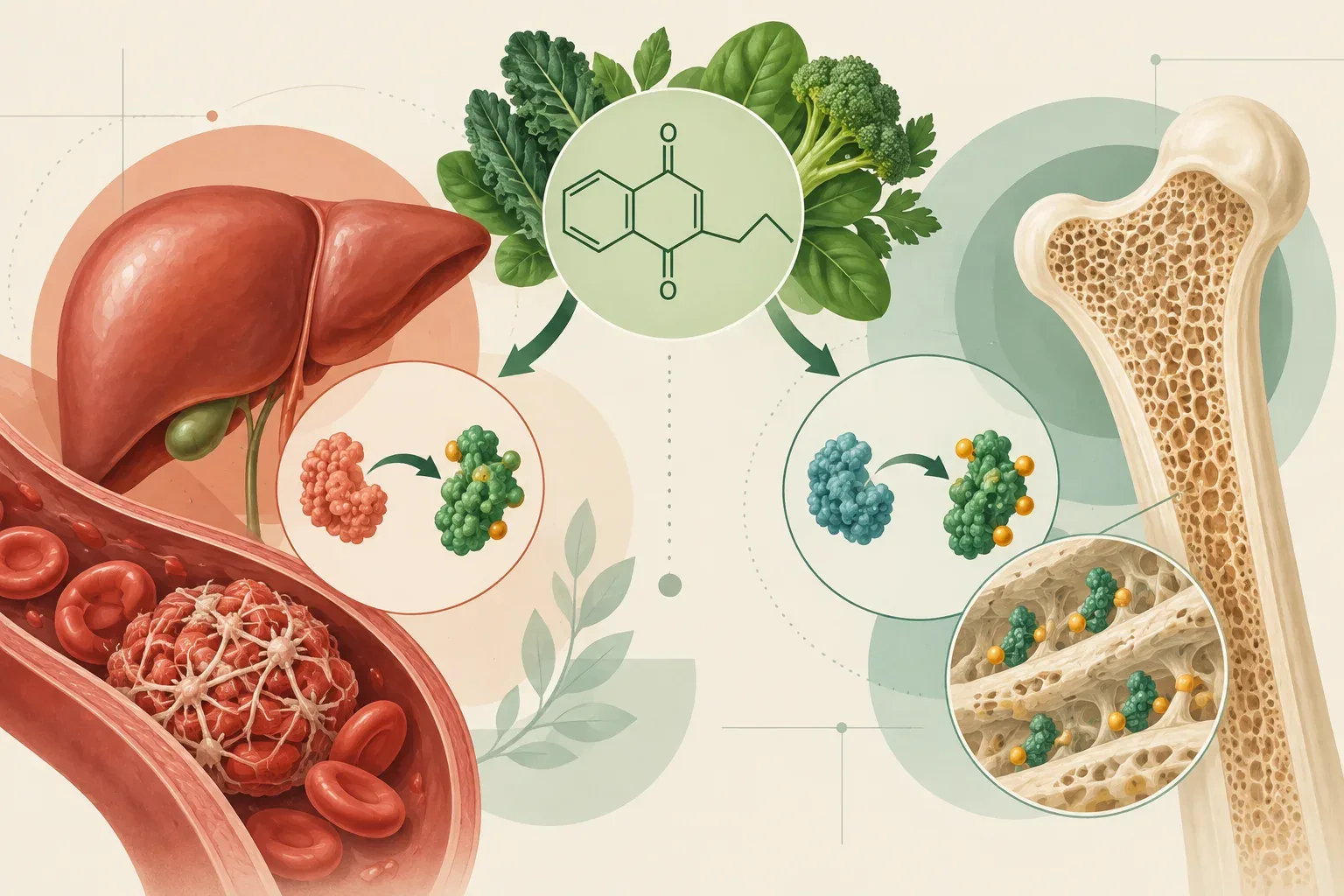
Vitamin D helps make calcium available; vitamin K helps activate particular proteins that bind calcium. These include osteocalcin in bone and matrix Gla protein in blood vessels. K2 is a family of vitamin K forms, including MK-4 and MK-7. These protein functions explain the interest in combining D with K2, but they do not mean that K2 directs all absorbed calcium into bone.
Vitamin K trials have mixed bone and artery results[13], and the mechanism does not establish that everyone taking D needs extra K2 or a particular D3-to-K2 ratio. K2 also does not prevent high blood calcium from excessive vitamin D. Vitamin K can change warfarin's effect even when it arrives inside an otherwise ordinary D supplement. If you take warfarin, check with the clinician managing it before starting, stopping or changing a supplement containing vitamin K; consistent intake matters.
Vitamin A: possible interference at large preformed amounts
Vitamin A and vitamin D both influence bone biology, but their interaction is not a settled reason to add one to balance the other. In a small crossover study in nine healthy adults[14], a single large dose of retinyl palmitate reduced the short-term rise in blood calcium produced by calcitriol, the active vitamin D hormone. It tested a particular preparation and an acute physiological response, not long-term fracture prevention or ordinary D3 use.
This does not show that food beta-carotene or a conventional multivitamin cancels your vitamin D. The practical concern is stacking large amounts of preformed vitamin A in retinol products or cod-liver oil. Read that vitamin's form and amount separately, particularly during pregnancy, rather than assuming a combined A-and-D product supplies a protective balance.
Common Myths about Vitamin D
Does everyone need a blood level above 50 ng/mL?
That is a blood concentration of 25-hydroxyvitamin D, the usual status marker; ng/mL means nanograms per milliliter. No universal disease-prevention target above 50 ng/mL has been established. The National Academies' interpretation is based mainly on bone health and considers 20 ng/mL or more adequate for most people. Its review cautioned about pursuing levels above roughly 50–60 ng/mL. More is not automatically better.
Drawbacks and side effects
| Potential drawback | When/who it affects | Research evidence | Practical implication |
|---|---|---|---|
| High blood calcium | Excessive exposure or susceptible medical conditions | [1] | Count all sources and seek assessment for concerning symptoms or results |
| More falls or fractures with a very large annual amount | Older women in the Sanders trial | [15] | Do not assume large intermittent doses equal ordinary daily intake |
| Lower measured bone density at high daily doses | Healthy older adults in the Burt trial | [16] | A higher blood level is not proof of stronger bone |
Severe toxicity can affect heart rhythm and damage kidneys or other tissues. Conversely, an above-limit medical prescription is not automatically evidence of poisoning; it needs a documented purpose and monitoring.
Vitamin D during pregnancy and breastfeeding
The National Academies' recommended total is 15 mcg, or 600 IU/day, in pregnancy and breastfeeding. Count the prenatal and any separate product together.
The 2024 Endocrine Society guideline suggests supplementation during pregnancy without first diagnosing deficiency, based on possible outcome benefits, while not establishing one universal higher amount or requiring routine testing. Women should agree the product and total with their maternity clinician.
The science behind vitamin D
Cod-liver oil and rickets before the vitamin was identified
Cod-liver oil was used against rickets before its active nutritional contribution was understood. A UK government account[17] describes that history and the later identification of vitamin D, alongside the discovery that ultraviolet light could also prevent or treat the disease. The NIH fact sheet[1] explains the resulting connection between vitamin D and bone mineralization.
This is a strong example of a food remedy gaining a clearer biological explanation. It also shows why the ingredient matters: cod-liver oil supplies vitamins as well as fatty acids, whereas ordinary fish oil is a different product. Its vitamin A content needs counting too. The rickets history supports the deficiency-related use; it does not establish that higher vitamin D intake prevents unrelated diseases in adults who already get enough.
Large prevention trials found no clear overall benefit
VITAL[18] assigned 25,871 generally healthy older adults to 2,000 IU D3 daily or placebo for a median 5.3 years. Invasive cancer occurred in 793 versus 824 participants, and major cardiovascular events in 396 versus 409. Neither difference was statistically significant. These participants were not selected for severe deficiency. NIH funded VITAL; Pharmavite and Pronova BioPharma/BASF donated study products, placebos and packaging, and a commercial laboratory supplied vitamin D blood testing.
The separate VITAL fracture report[19] confirmed fractures in 769 vitamin-D participants and 782 placebo participants, without a clear difference between groups. Hip and other nonvertebral fractures also showed no clear reduction. Participants had not been selected for osteoporosis or low bone density either, so this answers routine prevention more directly than treatment of diagnosed bone disease.
D-Health[20] tested another schedule: 60,000 IU D3 once a month for up to five years in 21,315 Australians aged 60–84. Major cardiovascular events occurred in 6.0% with vitamin D and 6.6% with placebo. The estimated difference was about six fewer events per 1,000 people over five years, but the uncertainty included no benefit. Heart attacks alone were less frequent; strokes were not. The overall result remains uncertain, alongside VITAL's null primary result.
Does vitamin D help people live longer or prevent cancer deaths?
D-Health's primary mortality report[21] found 562 deaths with vitamin D and 538 with placebo over a median 5.7 years, without a clear difference between groups. Cancer deaths were not significantly reduced either. This was a monthly regimen in adults not selected for deficiency.
Daily dosing has produced a different signal in pooled cancer-mortality research. A 2023 review of 14 randomized trials[22], involving 104,727 participants, found no statistically clear overall reduction in cancer deaths. The estimated relative risk was 6% lower, but its uncertainty range allowed anything from 14% lower to 2% higher risk. The daily-dose subgroup estimated a 12% lower risk, with an uncertainty range of 2%–22% lower. Trials using large intermittent doses estimated a 7% higher risk, with uncertainty spanning 9% lower to 24% higher risk. The difference between these schedules was statistically significant, but this was a comparison across trials with differing populations and regimens. It supports further study of daily dosing; it does not establish an anticancer dose or show that supplements stop cancer developing. VITAL and D-Health contribute to this pooled evidence, so they are not independent confirmations of it.
The Endocrine Society's suggestion of supplementation for adults aged 75 and older draws on the wider mortality evidence. It does not mean D-Health found a survival benefit, nor does it make a monthly 60,000 IU capsule the recommended regimen.
Prediabetes: the individual trial and the pooled result
D2d[23] randomized 2,423 adults who met at least two laboratory criteria for prediabetes to 4,000 IU D3 daily or placebo. They were not selected for low vitamin D. Over a median 2.5 years, diabetes developed in 293 versus 323 participants. That was a possible benefit, but the uncertainty included no benefit.
A 2023 individual-participant meta-analysis[24] combined D2d with two other trials. The regimens were 4,000 IU D3 daily, 20,000 IU D3 weekly, or 0.75 micrograms daily of eldecalcitol, an active vitamin-D analogue. Across those trials, the rate of developing diabetes was 15% lower, with an uncertainty range of 4%–25% lower. The estimated reduction over three years was 3.3 percentage points—about three fewer cases per 100 participants. Return to normal glucose regulation was also more common. The pool contains D2d rather than providing a second independent test of the same participants.
This helps explain why the 2024 Endocrine Society guideline[25] suggests vitamin D alongside lifestyle changes for high-risk prediabetes. The evidence concerns a defined high-risk population, and the regimens differed; it does not establish 4,000 IU as the right amount for everyone. Analyses linking higher achieved blood levels to lower risk were not randomized comparisons of blood targets.
Respiratory-infection prevention remains uncertain
An earlier 2017 meta-analysis[26] reported fewer acute respiratory infections, with stronger signals in some daily or weekly dosing and low-status groups. The 2025 update[27] included much larger subsequent trials. Its main placebo-controlled analysis included 61,589 participants from 40 studies. The pooled estimate slightly favored vitamin D, but the uncertainty included no benefit, so it did not establish a clear overall preventive effect.
Some trial subsets still looked favorable, including daily dosing, but tests comparing subgroups did not establish that dose, schedule, age or starting vitamin D status changed the effect. Serious adverse events were not increased overall. The trials varied in population, duration and schedule; the newer result supports uncertainty about infection prevention rather than a reliable winter “immune boost.” This prevention evidence also differs from treating an infection after it begins.
Vitamin D did not prevent depression; treatment and cognition results differ
In VITAL-DEP[28], 18,353 adults aged 50 or older without clinically relevant depressive symptoms at entry received 2,000 IU D3 daily or placebo for a median 5.3 years. Depression or clinically relevant symptoms occurred in 609 versus 625 participants, without a clear difference between groups. The between-group change in mood score was only 0.01 points, with uncertainty spanning a tiny decrease or increase, against a prespecified clinically important difference of 0.5 points. Vitamin D did not prevent depression in this population.
Treatment of existing depression has a less uniform record. A 2025 meta-analysis of 20 trials[29] found a reduction in symptom scores of 0.36 standard deviations compared with control (95% confidence interval 0.20–0.52). It pooled oral and injected vitamin D, sometimes with calcium, as well as differing doses, treatment lengths and patient groups, so the standardized result does not tell a reader how many points they would improve on one depression scale. It also does not reverse VITAL-DEP's prevention result. The studies need to be considered with their baseline deficiency, diagnoses and other treatments intact before choosing a clinical regimen.
DO-HEALTH[30] enrolled 2,157 generally healthy, mobile adults aged 70 or older. It tested 2,000 IU D3 daily, 1 g omega-3 daily and a home strength program in different combinations for three years. Vitamin D did not clearly improve blood pressure, physical performance, cognition, nonvertebral fractures or infections under the trial's stricter threshold for its six primary outcomes. A higher blood vitamin D level was not accompanied by a general improvement across these measures.
Smaller cognition studies answer narrower questions. In 82 healthy adults[31], 4,000 versus 400 IU D3 daily for 18 weeks did not clearly outperform the lower dose on the overall between-group visual-memory comparisons, although a subgroup starting below 75 nmol/L showed a favorable result on one task. In 210 patients with Alzheimer's disease[32], 800 IU daily for a year improved several cognitive tests compared with placebo. That single treatment study is different from showing that vitamin D prevents dementia in healthy adults.
Autoimmune disease: an initial signal changed with follow-up
The first VITAL autoimmune analysis[33] reported 123 confirmed new autoimmune diseases with 2,000 IU D3 daily versus 155 with placebo over 5.3 years. It estimated a 22% lower rate of new disease over follow-up, with an uncertainty range of 1%–39% lower. The combined outcome included several diseases, such as rheumatoid arthritis, psoriasis and autoimmune thyroid disease.
In the 2024 follow-up[34], additional cases were confirmed whose symptoms had begun during the randomized period. Adding those cases changed the trial-period estimate to a 15% lower rate, with uncertainty spanning 30% lower to 4% higher. The result was no longer statistically clear. Over roughly seven years, including two years after assigned treatment stopped, the estimated rate was 2% lower, with uncertainty spanning 17% lower to 17% higher. The added information therefore weakened the initial evidence of prevention. This was prevention in older adults, rather than treatment of an existing autoimmune disease.
Small disease-treatment trials need their own context
In a Crohn's disease trial[35], adults in remission took 1,200 IU D3 daily or placebo for a year. Of 94 participants retained after exclusions, relapse occurred in 6 of 46 versus 14 of 48. That is a favorable difference, but the small study did not establish a clear benefit. It does not justify replacing maintenance treatment.
A 15-week sleep-apnea pilot[36] gave 4,000 IU D3 daily or placebo to 19 adults; 15 were already using CPAP, a machine that uses air pressure to keep the airway open during sleep[37]. Some blood lipid and inflammatory measurements improved, but neuropsychological and quality-of-life measures did not. It did not demonstrate that vitamin D corrected the obstructed breathing itself.
The 2025 D-Lay MS trial[38] studied a more specific neurological setting: adults aged 18–55 with a recent first episode typical of multiple sclerosis, before disease-modifying treatment, and a starting vitamin D level below 100 nmol/L. Participants received 100,000 IU D3 every two weeks or placebo for two years. In the 303-person primary analysis, a relapse or new MRI activity occurred in 60.3% versus 74.1%, a statistically clear difference favoring vitamin D. The difference was largely in MRI findings. Clinical relapses alone did not clearly differ, and neither did the other clinical secondary outcomes. This is a promising specialist-treatment finding that requires further study alongside current MS treatment; the experimental dose is not an ordinary supplement schedule.
Does taking more improve bone?
Burt compared 400, 4,000 and 10,000 IU daily for three years in 311 healthy adults aged 55–70. Higher-dose groups lost more bone density at some measured sites. Estimated bone strength did not clearly differ, and the study was not a fracture-outcome trial. Pure North S’Energy Foundation funded it and reportedly had no role in study decisions; authors also disclosed commercial relationships. The result challenges the assumption that higher intake must strengthen bone without proving that every moderate dose is harmful.
Sanders' annual 500,000 IU trial found more falls and fractures in older women. A published correction clarified the participant counts used in calculations without reversing that harm finding. One very large annual dose is not a convenient equivalent of a daily dietary amount.
What you may have heard on podcasts
Peter Attia and Andrew Huberman discussed personal routines around 5,000 IU on Huberman Lab on July 29, 2024. Gil Carvalho instead discussed the official 600/800 IU amounts, the 4,000 IU limit and a practical 1,000–2,000 IU range on November 11, 2024. The larger personal routines exceed ordinary dietary references.
Stasha Gominak described a personal 100,000 IU monthly amount and a blood level around 60 ng/mL on Diary Of A CEO on July 27, 2026.
Lab tests
Serum 25-hydroxyvitamin D is the usual status test, but results can differ between laboratory methods and can be falsely high or low. A value close to a cutoff needs that uncertainty considered; a small change between labs may not represent a real change in status. [1]
Interpreting the results
The usual status test is 25-hydroxyvitamin D, a circulating form measured in blood. It is commonly reported as ng/mL, meaning nanograms per milliliter, or nmol/L. Multiply ng/mL by 2.5 to convert to nmol/L.
| Blood concentration | National Academies/NIH interpretation |
|---|---|
| Below 12 ng/mL, or 30 nmol/L | Deficiency-risk range, including rickets or softening of bone |
| 12 to below 20 ng/mL, or 30 to below 50 nmol/L | Potentially inadequate; discuss the result and clinical context with the ordering clinician |
| 20 ng/mL or more, or 50 nmol/L or more | Generally adequate for bone health for most people; this is not a reason to keep raising the result |
| Above about 50–60 ng/mL, or 125–150 nmol/L | A range the review cautioned against pursuing |
These are not a personalized treatment prescription. Symptoms, disease and the reason for testing matter. 1,25-dihydroxyvitamin D is a different, tightly regulated active form and is not the usual screening test for nutritional status.
Routine testing of healthy adults is not the same as testing someone with an established indication. The Endocrine Society advises against routine screening; the U.S. Preventive Services Task Force finds evidence insufficient to judge screening asymptomatic adults. Being able to buy a test does not establish that routine screening will improve your health.
Preparing for a test if you take supplements
For a vitamin D test, report your supplement amount, schedule and recent changes, and follow the written instructions for the ordered assay. Do not stop prescribed replacement yourself.
The measured form has a circulating half-life of roughly 15 days: that describes the time for its amount in blood to fall by about half, rather than disappear. It does not define a supplement-stopping interval that restores your original baseline. For monitoring, an agreed stable regimen and clinician-selected timing are more useful than an invented washout.
Calcium and kidney testing may be needed when vitamin D excess is suspected.
The bottom line
Correcting vitamin D deficiency has a clear purpose. Taking more when you are already adequately supplied is a different question, and the large prevention trials have not supported many of the broader promises. D3 is usually the simpler supplement choice for raising blood levels, including lichen-derived D3 if you want a vegan source. That advantage does not establish better health outcomes than D2.
Count the actual amount across your products in one unit, and choose it around your age, intake and clinical circumstances. Keep a prescribed D2 schedule unless the prescriber changes it. The right form and dose should serve a reason for taking vitamin D, rather than a goal of making the blood result as high as possible.
Help us improve this article
Spotted an error or found a source we should consider? Tell us which part of this article needs another look and include a link if you have one. Please leave out personal health details and lab results; we can’t answer individual medical questions.
Keep exploring


Explore more in bone health
References
- NIH: Vitamin D ↩
- Health Canada ↩
- Finnish recommendations ↩
- Clinical descriptions ↩
- D3 versus D2 review ↩
- Holick et al.: daily 1,000 IU of D2 vs D3, 2008 ↩
- Tripkovic et al.: daily D2 vs D3 in fortified juice and biscuits, 2017 ↩
- van den Heuvel et al.: daily D2 vs D3 and body mass index, meta-analysis, 2024 ↩
- Balachandar et al.: relative efficacy of D2 and D3, meta-analysis, 2021 ↩
- NIH Dietary Supplement Label Database: a 1.25 mg (50,000 IU) ergocalciferol capsule ↩
- WHI: calcium plus vitamin D and fractures/stones ↩
- Dai: magnesium and vitamin D metabolism ↩
- Vitamin K trials have mixed bone and artery results ↩
- Johansson and Melhus: acute vitamin A/D calcium response ↩
- Sanders: Annual-dose trial ↩
- Burt: Daily-dose comparison ↩
- UK government account ↩
- VITAL ↩
- VITAL fracture report ↩
- D-Health ↩
- primary mortality report ↩
- 2023 review of 14 randomized trials ↩
- D2d ↩
- 2023 individual-participant meta-analysis ↩
- 2024 Endocrine Society guideline ↩
- 2017 meta-analysis ↩
- 2025 update ↩
- VITAL-DEP ↩
- 2025 meta-analysis of 20 trials ↩
- DO-HEALTH ↩
- 82 healthy adults ↩
- 210 patients with Alzheimer's disease ↩
- VITAL autoimmune analysis ↩
- 2024 follow-up ↩
- Crohn's disease trial ↩
- 15-week sleep-apnea pilot ↩
- CPAP, a machine that uses air pressure to keep the airway open during sleep ↩
- 2025 D-Lay MS trial ↩
- Endocrine Society 2024 guideline
- VITAL
- VITAL fractures
- D2d
- NIH Dietary Supplement Label Database: a 50 mcg vegan D2 label
- NIH Dietary Supplement Label Database: a vegan D3 label
Corrections & updates
- Update
Updated the evidence discussion and practical guidance after editorial review.
- Update
Revised the article after editorial review, with clearer evidence explanations and practical guidance.