
What is calcium?
Calcium is a major structural mineral in bones and teeth; a small amount in the blood helps muscles contract, nerves send signals, and blood clot.
Dairy foods, fortified plant milks and juices, tofu made with calcium, and canned fish with bones are the richest food sources.
Adults need 1,000 mg a day, or 1,200 mg for women over 50 and everyone over 70, from all sources combined. The official upper limit is 2,500 mg a day up to age 50 and 2,000 mg after. Supplements are mainly calcium carbonate or calcium citrate, often providing 500 to 630 mg of calcium per serving.
People take calcium for bone health. Food should come first, with a supplement used only to fill the remaining gap. In the largest trial we looked at, calcium plus vitamin D did not significantly prevent hip fractures in healthy postmenopausal women and increased the risk of kidney stones. Studies disagree on whether calcium pills affect heart attack risk.
What calcium does in your body
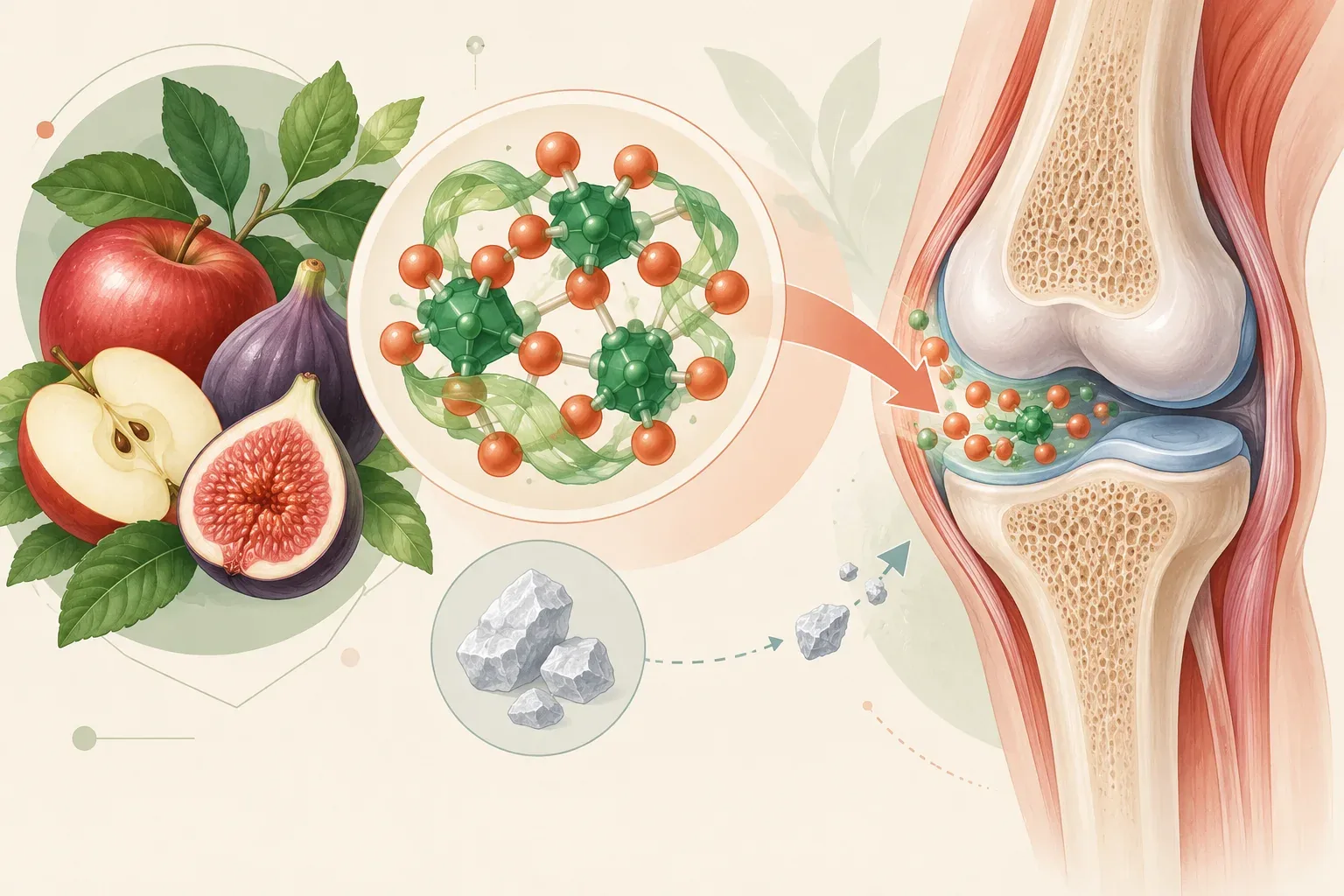
Most calcium is held in bones and teeth as part of a mineral structure containing calcium and phosphate. Bone is living tissue: old material is removed and new material laid down throughout life. Calcium therefore serves both as a supporting structure and as a reservoir the body can draw on.
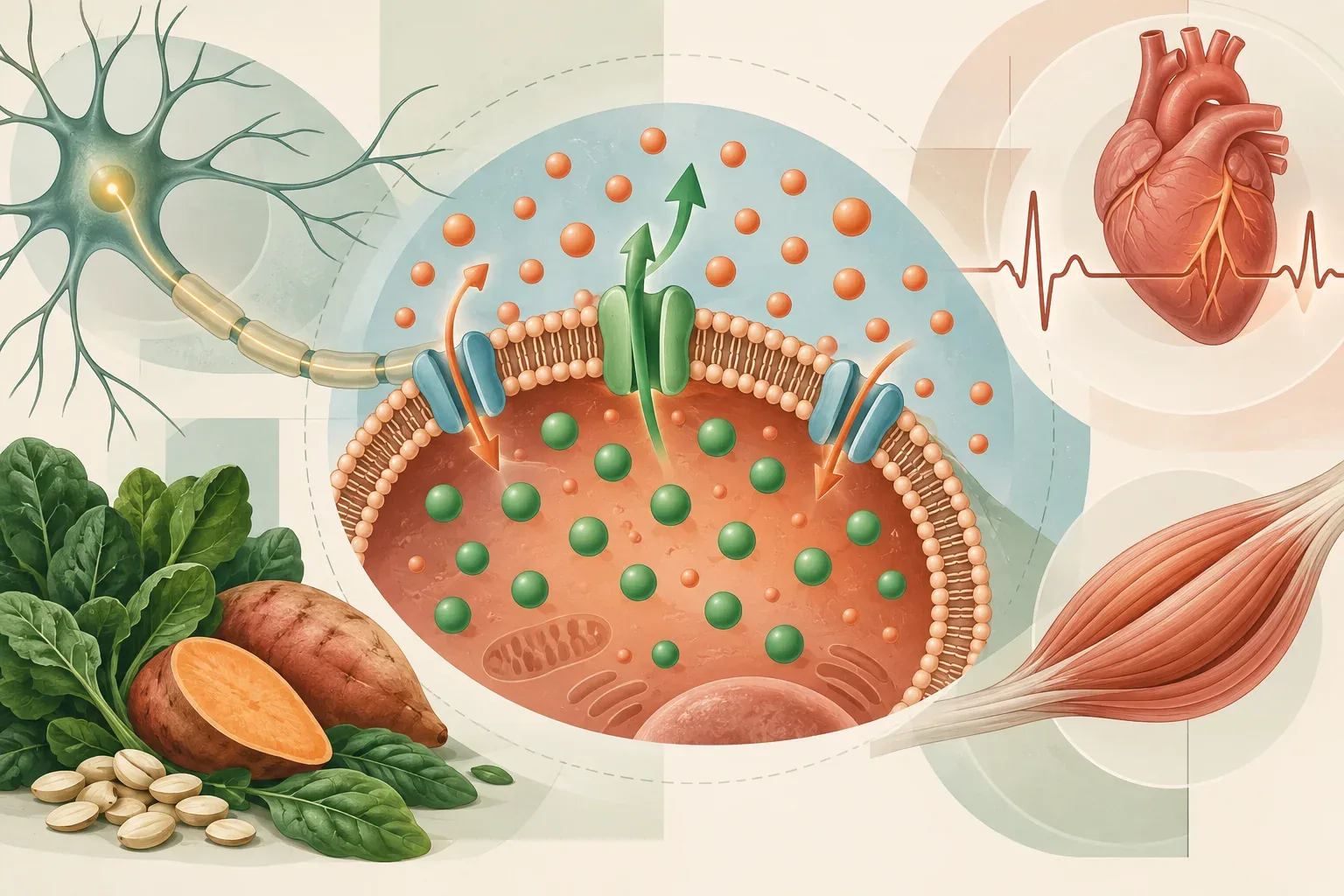
Changes in calcium inside cells help trigger muscle contraction, release chemical messengers and carry nerve signals. Calcium is also needed for blood clotting. The body tightly regulates the amount circulating in blood because these jobs must continue between meals.
When intake is inadequate, maintaining blood calcium can come at the expense of bone stores. That helps explain why a normal blood calcium result does not show that the diet supplies enough or that bone density is normal. [1]
The short version
Count milligrams of elemental calcium—the calcium itself, not the full weight of the carbonate, citrate, or other compound attached to it.
Add up food first. If you still fall short, use only enough supplement to close that gap. Keep each dose to 500 mg or less of elemental calcium because the share absorbed falls as a single dose gets larger. Skip any schedule that would push the daily total from food and supplements past the upper limit. Ignore a large coral-calcium number on the front until the Supplement Facts label shows how much elemental calcium it represents.
What people take calcium for
| Claimed benefit | Dose / form studied | Research verdict | Evidence strength |
|---|---|---|---|
| Filling a dietary calcium gap | Supplement only the gap against age-specific total intake; no single amount or duration fits every diet. | Adequacy matters, but a pill is unnecessary when food already meets the need. | Strong |
| Preventing fractures in healthy postmenopausal women | 1,000 mg/day elemental calcium as carbonate plus 400 IU/day vitamin D for seven years. | The main WHI analysis did not establish fewer hip fractures. | Moderate |
| Better fracture outcomes from citrate versus carbonate | No established head-to-head fracture-prevention dose or duration. | Absorption and tolerability differences have not established a fracture winner. | Insufficient |
People who cannot reach their recommended amount from food may benefit, including some who avoid dairy and fortified foods. On average, U.S. men get about 1,083 mg a day from food and women about 842 mg, but an average cannot tell whether one person needs a pill. Estimate your own intake first.
For healthy postmenopausal women, the U.S. Preventive Services Task Force advises against adding up to 1,000 mg of calcium with up to 400 international units (IU) of vitamin D solely to prevent fractures. That recommendation does not say to leave a dietary shortfall unaddressed; it says the tested pills did not work as a general fracture-prevention strategy. People with osteoporosis should follow their clinician's plan, which often includes adequate calcium alongside medicine.
When to ask a doctor before taking calcium
- You have had kidney stones or have high blood calcium. Calcium supplements increased the risk of kidney stones in the largest trial.
- You take thyroid hormone (levothyroxine), certain antibiotics (such as ciprofloxacin), some HIV drugs (dolutegravir), or osteoporosis drugs (bisphosphonates). Ask a pharmacist how far apart to take the specific medicine and calcium; the interval is not the same for every drug.
- You take iron or zinc supplements. Calcium taken at the same time reduces how much of them you absorb.
- You have kidney disease. Your doctor may limit calcium.
Common dosage
These are total daily needs from food and supplements combined, not suggested pill doses:
| Group | Recommended amount | Upper limit |
|---|---|---|
| Adults 19 to 50 | 1,000 mg | 2,500 mg |
| Men 51 to 70 | 1,000 mg | 2,000 mg |
| Women 51 and older | 1,200 mg | 2,000 mg |
| Everyone 71 and older | 1,200 mg | 2,000 mg |
| Pregnant or breastfeeding, 19 to 50 | 1,000 mg | 2,500 mg |
What changes how much you absorb
Fractional absorption falls as a single elemental-calcium dose gets larger. In examples summarized by NIH[1], about 36% of a 300 mg dose and 28% of a 1,000 mg dose was absorbed. That is a smaller percentage, not necessarily fewer milligrams absorbed. Calcium carbonate dissolves less well with low stomach acid and is usually taken with food; citrate depends less on stomach acid. Oxalate-rich spinach also supplies calcium on paper, but much of that calcium is unavailable.
Morning or night, with food or without?
Calcium carbonate needs stomach acid, so take it with a meal. Calcium citrate can be taken with or without food. The fact sheet does not prefer morning or night; spacing from thyroid hormone, some antibiotics, and iron matters more than the clock.
Which foods are high in calcium?
Use the serving amounts from the NIH fact sheet to estimate how much of the daily target food already supplies:
Selected values from the NIH Office of Dietary Supplements food table[1] show the stated food and preparation. Amounts are per serving.
| Food and preparation | Source | Serving | Calcium (mg) |
|---|---|---|---|
| Plain low-fat yogurt | Dairy | 8 oz (about 227 g) | 415 mg |
| Orange juice, calcium-fortified | Fortified | 1 cup | 349 mg |
| Sardines, canned in oil with bones | Fish | 3 oz (about 85 g) | 325 mg |
| Nonfat milk | Dairy | 1 cup | 299 mg |
| Soymilk, calcium-fortified | Fortified | 1 cup | 299 mg |
| Firm tofu made with calcium sulfate | Plant | ½ cup | 253 mg |
Spinach contains calcium—123 mg per ½ cup cooked—but very little is absorbed because other compounds in the plant bind it.
On a vegan diet without calcium-fortified drinks or calcium-set tofu, you may get much less calcium from food than the example servings here provide. One cup of the fortified soymilk plus a half cup of the specified tofu adds about 552 mg; other foods must supply the rest of a roughly 1,000 mg adult daily amount. The tofu coagulant and plant-drink label matter, and leafy greens are not interchangeable with these foods simply because their calcium content is listed.
Fortified plant drinks vary. For comparison with the food-table example, the US shelf-stable Silk Original Soymilk label lists 450 mg calcium per 240 mL (one labelled US cup serving), supplied using calcium carbonate. Use the stated calcium amount; do not multiply it by carbonate's elemental percentage a second time. One cup of that drink plus a hypothetical 500 mg calcium supplement would supply 950 mg before other foods. The calcium addition also says nothing by itself about iodine, B12 or protein, which need separate checks when replacing dairy. [2]
How can I tell if I'm low on calcium?
“Low calcium” can mean too little in your diet, reduced bone strength or a low blood concentration.
Low intake over time
An ongoing dietary gap can weaken bone without an early symptom you notice. Bones can become fragile and more likely to break, or fail to harden properly. Vitamin D status matters too.
Mild or developing low blood calcium
Mild or slowly developing low blood calcium can be symptom-free. When symptoms occur, tingling around the mouth or in the hands and feet and muscle spasms are common findings.
Severe low blood calcium
Seizures and serious neurological or heart problems can occur. These need urgent care. Low blood calcium often reflects vitamin D, magnesium, parathyroid, illness or medicine-related problems rather than diet alone. [1]
Testing and interpretation
For more information about testing for calcium, see the lab tests and preparation details near the end of this article.
Forms you can buy
Calcium carbonate and calcium citrate each supply calcium attached to a partner. Coral calcium is mostly calcium carbonate from coral, and bone meal is mostly calcium phosphate from bone.
All calcium forms at a glance
| Form on the label | Elemental calcium | How to take it | What the evidence can show |
|---|---|---|---|
| Calcium carbonate | About 40% of the compound | With a meal; count calcium-based antacids too | Used in the largest fracture trial; no proof it prevents more fractures than citrate |
| Calcium citrate | About 21% | With or without food; useful with low stomach acid or acid-reducing medicine | No large fracture trial establishes superiority over carbonate |
| Coral calcium | Mostly calcium carbonate | Use the elemental-calcium line, not the coral-powder weight | Not a distinct clinical form and not used in the major trials |
| Bone meal | Mostly calcium phosphate | Use the elemental-calcium line | Not used in the major trials on this page |
If the gap is more than 500 mg, divide it rather than taking the entire amount at once.
Can you take two calcium products the same day?
Yes, if the combined elemental calcium only fills the food gap and the total stays below the upper limit: 2,500 mg a day through age 50 and 2,000 mg after age 50. Add the amount on every Supplement Facts label to food before deciding.
What to pay attention to on the label
The number to find is milligrams of elemental calcium, and the thing to check is your total, food included, against the upper limit.
Which number on the label is the amount?
The Supplement Facts label lists elemental calcium, the amount of calcium itself; your body absorbs only part of it. Calcium carbonate is about 40 percent calcium, so 1,250 mg of carbonate gives 500 mg of calcium. Calcium citrate is about 21 percent calcium, so more total compound is needed for the same elemental amount.
Serving sizes differ. Check how many tablets or caplets make one serving before comparing the calcium amounts on two labels. An amount listed per serving is not necessarily the amount in one tablet.
Misleading labels
Total weight versus elemental weight
One “Coral Calcium 1500 mg” product provides 525 mg of calcium per three capsules; the 1,500 mg on the front is the weight of the coral powder in those same three capsules. The larger front number makes its calcium contribution look nearly three times as large as it actually is.
Directions that hide the daily total
A label may suggest one to two caplets twice a day while listing calcium per serving rather than per caplet. Find the serving size, calculate the full daily schedule, and add food before comparing the total with your age-specific upper limit.
The Daily Value is not your recommended amount
Labels compare against a Daily Value of 1,300 mg, which is higher than the 1,000 to 1,200 mg adults need. A 600 mg tablet shows as 46 percent of the Daily Value but is 50 to 60 percent of an adult’s recommended amount.
Manufacturer claims and the studies they may be based on
A “supports strong bones” line may echo the FDA's allowed statement that adequate calcium and vitamin D may reduce osteoporosis risk. That statement rests on the established role of adequate intake; it does not mean the specific bottle was tested or that extra pills prevent fractures in someone who already gets enough.
How long should I take calcium supplements for?
A calcium supplement is for a continuing shortfall between food intake and the age-specific daily amount, not a brief loading course. Bone mineral changes over long periods, while blood calcium is tightly controlled and cannot tell you whether a supplement course is finished. Recheck food intake as your diet changes; if food covers the target, reduce or stop the extra pill rather than maintaining the former gap amount. If a clinician prescribed calcium for a particular disorder, use that plan and follow-up. On any day you use a supplement, count food and pills against the age-specific upper limit.
Common Myths about Calcium
Do I need calcium pills because I take vitamin D?
No. Vitamin D helps your gut absorb calcium, but that does not mean you need a calcium supplement. If your food provides enough calcium, vitamin D alone is fine.
Is citrate better than carbonate for bones?
Not shown. No large trial has compared them on fractures. Citrate is easier to absorb if you have low stomach acid or take acid-reducing medicine; carbonate is cheaper, packs more calcium into each tablet, and absorbs well when taken with food.
Do calcium pills cause heart attacks?
The evidence conflicts, as the heart-study comparison below explains. An earlier analysis found more heart attacks with calcium pills alone; a later expert assessment found no link within the upper limit.
Getting calcium from food avoids taking the kind of supplement questioned by the 2010 analysis. If food leaves a gap, use only enough supplement to fill it and stay within the upper limit.
Drawbacks and side effects
| Potential drawback | When/who it affects | Research evidence | Practical implication |
|---|---|---|---|
| Gas, bloating or constipation | People taking oral calcium supplements. | Recognized gastrointestinal effects; tolerance differs by product and person. | Adjust the preparation or intake plan with a clinician or pharmacist if symptoms persist. |
| Kidney stones | Postmenopausal women taking calcium plus D in WHI. | Stones were more common in the randomized combination trial. | Discuss supplementation if you have a stone history; do not assume food calcium has the same effect. |
| High blood calcium and organ effects | Excess intake or a condition altering calcium handling. | Severe hypercalcemia can cause kidney injury and heart-rhythm problems. | Count all sources and follow clinical guidance; symptoms or abnormal calcium need assessment. |
Supplement side effects and intake limits
The official upper limit is 2,500 mg a day up to age 50 and 2,000 mg after, from all sources. Common side effects of supplements are gas, bloating, and constipation. In the largest trial, kidney stones were 17 percent more common on calcium plus vitamin D.
When too much is dangerous
Very high blood calcium, which needs medical care, can cause nausea, constipation, weakness, kidney damage, and heart rhythm problems.
Pregnancy
The U.S. recommended total in pregnancy is 1,000 mg a day for women ages 19 to 50. Whether extra calcium prevents preeclampsia—a pregnancy disorder involving high blood pressure—is now disputed.
Earlier Cochrane reviews reported a preventive benefit, especially with low dietary calcium intake. The 2025 update[3] changed eligibility and assessed trial trustworthiness, leaving 20 previously included trials out of its pooled analyses: 11 no longer met eligibility criteria and nine awaited classification over trustworthiness concerns. Across six placebo-controlled trials involving 15,364 women, its preeclampsia estimate was compatible with 17 fewer to two more cases per 1,000 women. Its analysis restricted to larger trials found little or no difference.
A 2026 commentary by Torloni and colleagues[4] challenged the consistency of those trustworthiness decisions. Adding back two disputed trials changed the pooled estimate from a possible 17% reduction in preeclampsia to a 37% reduction. The original uncertainty range included no benefit; the revised range was compatible with a 10% to 55% reduction. Which trials were included therefore changed whether the combined results established a preventive benefit. Two commentary authors had worked on earlier versions of the Cochrane review. This is a disagreement about which trials should count, not a new trial settling the question.
The WHO recommendation currently posted for populations with low dietary calcium intake[5] remains 1,500 to 2,000 mg a day of supplemental elemental calcium, divided across the day, to reduce preeclampsia risk. That is a supplement amount, not the food-plus-supplement total, and adding it to food can conflict with the U.S. 2,500 mg total upper limit. This remains a clinician-directed pregnancy regimen. The newer review and its critique are reasons to discuss the plan with the obstetric care team, rather than independently stopping or adding prescribed calcium.
The science behind calcium
The evidence supports getting enough calcium, mostly from food, and is mixed on extra pills for fractures and the heart.
Fractures
The Women’s Health Initiative trial gave 36,282 postmenopausal women 1,000 mg of calcium as carbonate plus 400 IU of vitamin D, or placebo, for 7 years. Hip bone density was about 1 percent higher with the supplements, but hip fractures were not clearly lower: the 12 percent difference could have been due to chance. Kidney stones were 17 percent more common.
Among women who kept taking the pills, hip fractures were 29 percent lower. That secondary analysis can favor treatment because people who consistently take study pills may differ in other healthy ways. The main comparison of everyone assigned to each group is more reliable and did not establish fracture prevention.
In 2018 the task force, drawing on a review of 11 trials with 51,419 adults, concluded with moderate certainty that up to 1,000 mg of supplemental calcium with up to 400 IU of vitamin D does not prevent fractures in postmenopausal women. Evidence for other groups and larger amounts was inadequate.
Heart
A 2010 analysis of trials with about 8,000 people found 31 percent more heart attacks among those taking calcium supplements without vitamin D (143 versus 111 people). A 2016 panel from the National Osteoporosis Foundation and the American Society for Preventive Cardiology drew on a newer review of more studies by a team at Tufts University. It concluded, on moderate-quality evidence, that calcium from food or supplements within the upper limit has no link to heart disease in healthy adults.
What is still open
Whether calcium pills raise heart attack risk, whether citrate or carbonate makes any difference to fractures, and whether people who reach their food target gain anything from pills.
Lab tests
Interpreting the results
A blood calcium test measures the small amount of calcium in your blood, which the body keeps in a narrow range by drawing on bone. A normal result does not mean you eat enough. A bone density scan (DXA) shows long-term bone strength, not your recent calcium intake. [1]
Total calcium also depends on blood proteins[6], especially albumin. A low total result can occur while active ionized calcium remains normal; a clinician interprets it with the protein level and may measure ionized calcium.
The table uses milligrams per deciliter (mg/dL) and millimoles per liter (mmol/L), which are blood concentrations, not daily intake amounts:
| Reading | mg/dL | mmol/L | What the fact sheet says |
|---|---|---|---|
| Usual total blood calcium (serum) | 8.8–10.4 | 2.2–2.6 | Held steady by bone; not a diet score |
| Low total blood calcium (serum) | under 8.5 | under 2.12 | Can reflect low blood proteins as well as vitamin D, magnesium, parathyroid or medicine-related causes |
| Usual ionized calcium | 4.6–5.3 | 1.15–1.33 | The active part of blood calcium |
Before the test if you already supplement
A standalone calcium blood test usually needs no special preparation, according to MedlinePlus[6]. There is no fixed calcium-supplement pause in those instructions. Tell the clinician about calcium tablets, calcium-containing antacids and vitamin D, and ask whether to take the morning dose after collection. If calcium is prescribed for a low blood level or a parathyroid condition, do not interrupt it without the prescriber’s instructions.
The bottom line
Getting enough calcium matters; taking extra after your diet already meets the need is a different decision. The fracture studies do not make a large calcium pill an automatic benefit for every healthy adult.
Start with the food you regularly eat and supplement only the relevant gap. Then choose a form and serving you can tolerate, counting elemental calcium rather than the weight of the compound. Citrate and carbonate have practical differences, but neither has established universal superiority for fracture prevention.
Help us improve this article
Spotted an error or found a source we should consider? Tell us which part of this article needs another look and include a link if you have one. Please leave out personal health details and lab results; we can’t answer individual medical questions.
More about calcium

Explore more in bone health



More in minerals

References
- NIH Office of Dietary Supplements: calcium fact sheet for health professionals ↩
- Manufacturer label, checked 21 October 2026 ↩
- 2025 update ↩
- 2026 commentary by Torloni and colleagues ↩
- WHO recommendation currently posted for populations with low dietary calcium intake ↩
- Total calcium also depends on blood proteins ↩
- National Academies: Dietary Reference Intakes for calcium and vitamin D, 2011
- Jackson et al.: Women’s Health Initiative calcium plus vitamin D trial, 2006
- US Preventive Services Task Force: vitamin D, calcium, or combined supplements to prevent fractures, 2018
- Kahwati et al.: evidence report for the task force, 2018
- Bolland et al.: calcium supplements and heart attack, meta-analysis, 2010
- Kopecky et al.: National Osteoporosis Foundation and American Society for Preventive Cardiology on calcium and heart disease, 2016
- World Health Organization: calcium supplementation during pregnancy for prevention of preeclampsia
- American College of Obstetricians and Gynecologists: healthy eating during pregnancy
- NIH Dietary Supplement Label Database: a calcium citrate label
- NIH Dietary Supplement Label Database: a calcium carbonate label
- NIH Dietary Supplement Label Database: a coral calcium label
Corrections & updates
- Update
Updated the evidence discussion and practical guidance after editorial review.
- Update
Revised the article after editorial review, with clearer evidence explanations and practical guidance.