
What is manganese?
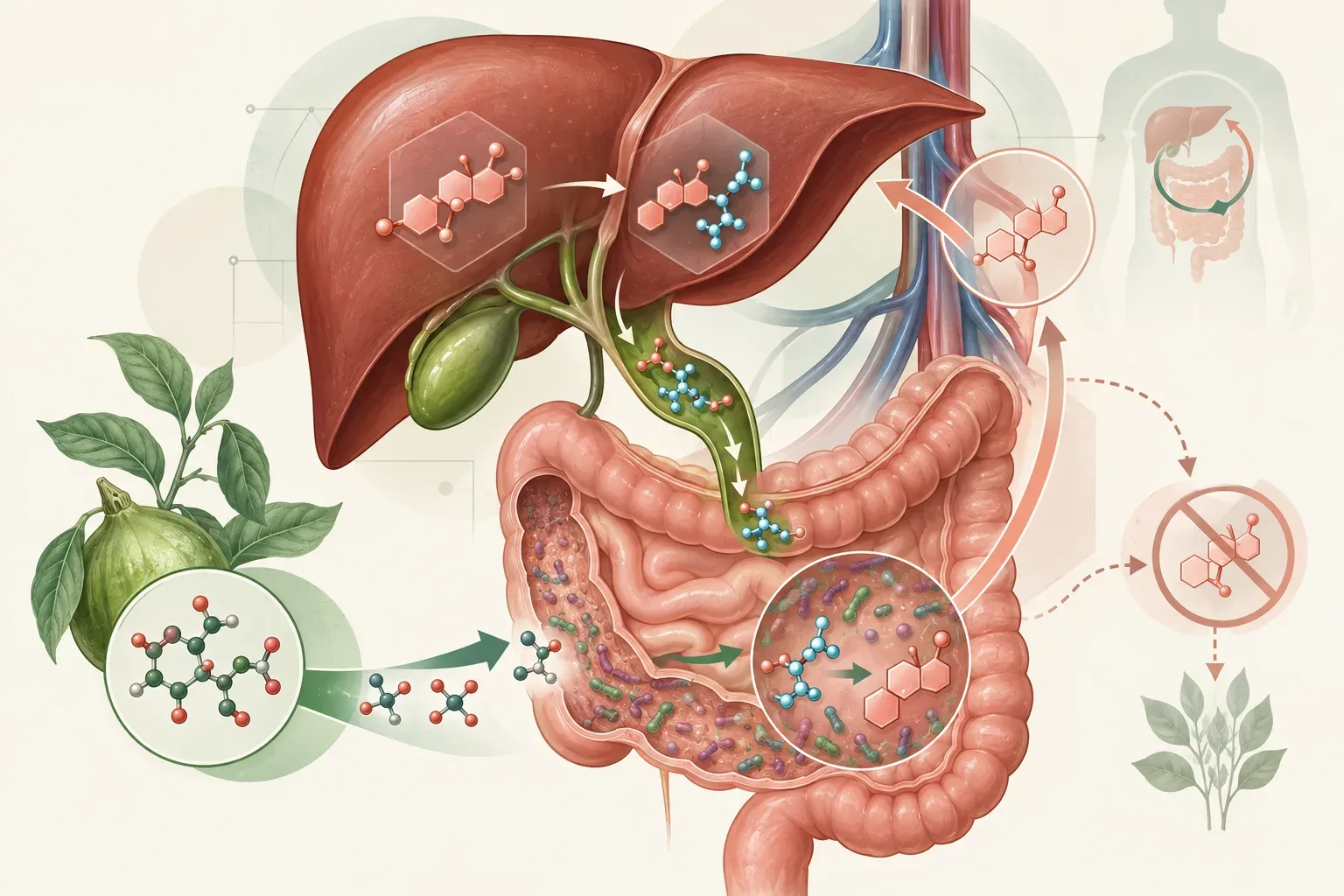
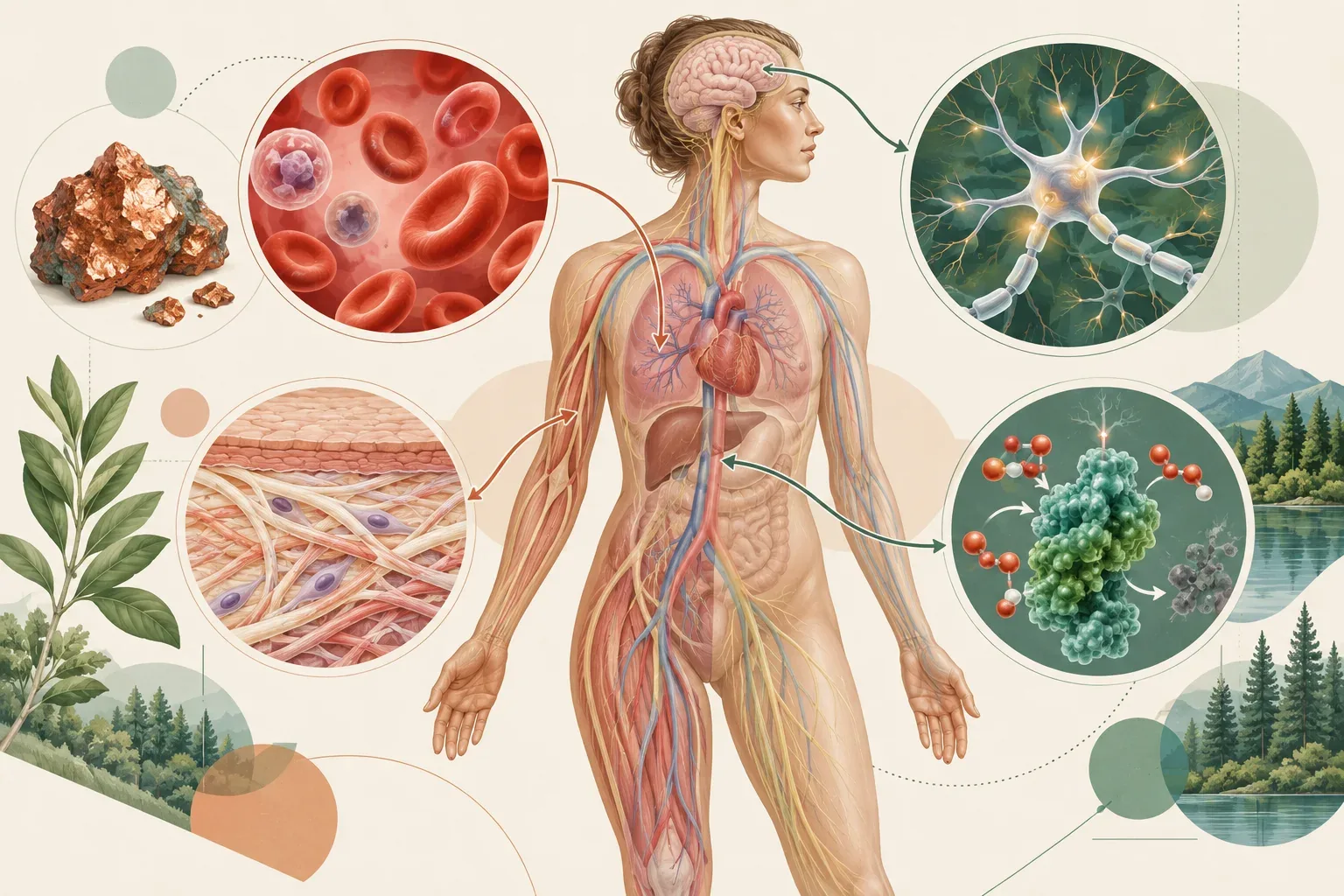
Manganese is an essential trace mineral. Your body uses it to run enzymes that handle carbohydrates, cholesterol, and amino acids, that clear damaging oxygen by-products, and that help build bone and cartilage. The body holds only about 10 to 20 milligrams, 25 to 40 percent of it in bone, and keeps the level steady by absorbing less when you eat more and sending the extra out in bile.
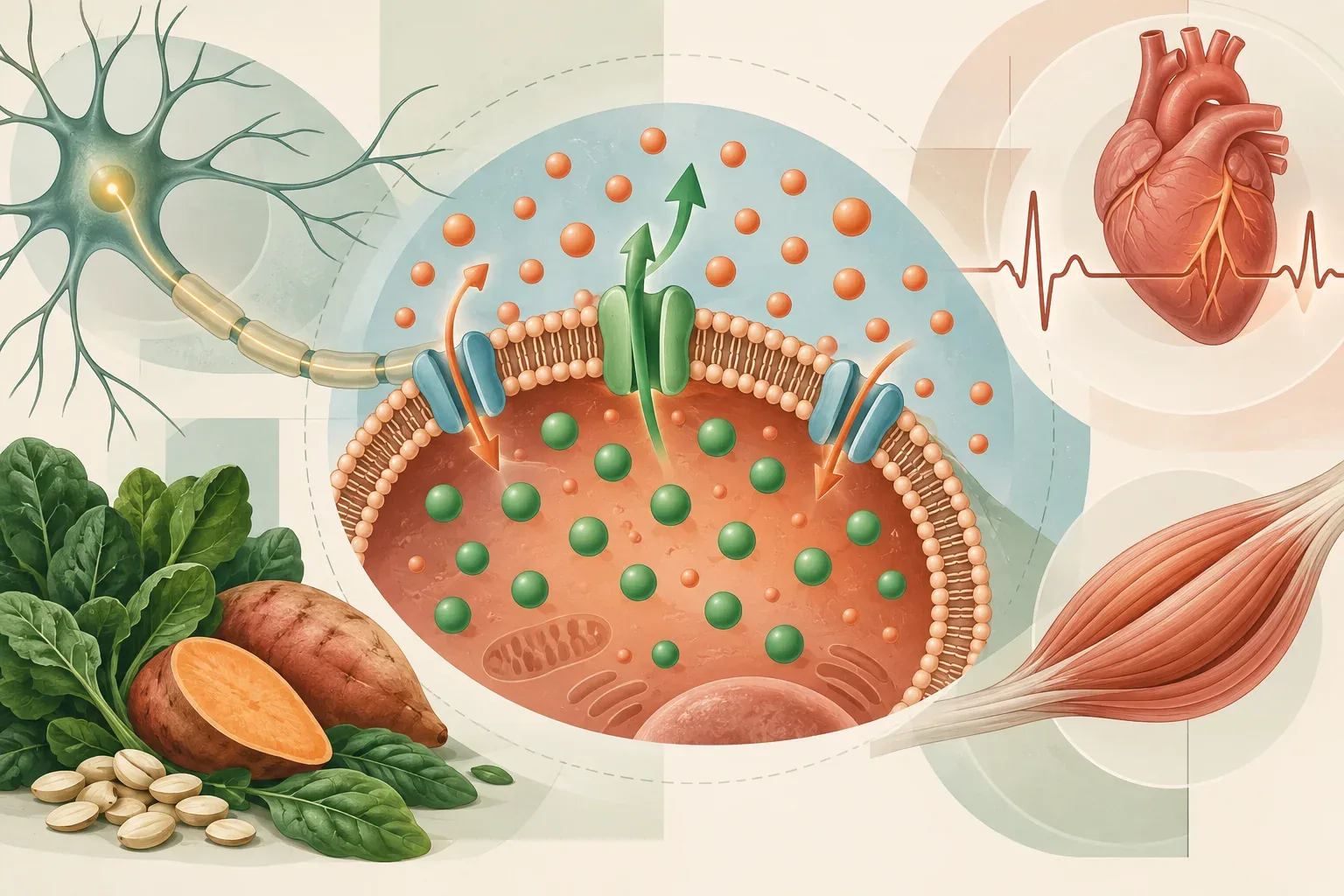
Manganese comes from plant foods and shellfish. Whole grains, nuts, legumes, leafy greens, pineapple, tea, and spices such as black pepper provide most of it, and mussels provide a lot. Meat, eggs, and dairy contain almost none.
The adult adequate intake — the amount healthy people usually eat — is about 2 mg a day: 2.3 mg for men and 1.8 mg for women. Supplements come as manganese glycinate, bisglycinate chelate, sulfate, gluconate, citrate, and other forms, and a multivitamin that includes manganese usually lists 1 to 4.5 mg.
People buy manganese supplements for joints and bones, for blood sugar, and because it appears on joint formulas beside glucosamine. What is well established is that manganese is essential and that food supplies enough for most people. Its use for joints, bones, or blood sugar has not been tested on its own.
What manganese does in your body
Manganese helps several enzymes do their work. Some participate in processing amino acids, carbohydrates and cholesterol. Others contribute to bone formation and normal wound healing. It is therefore used in both metabolism and the maintenance of tissues.
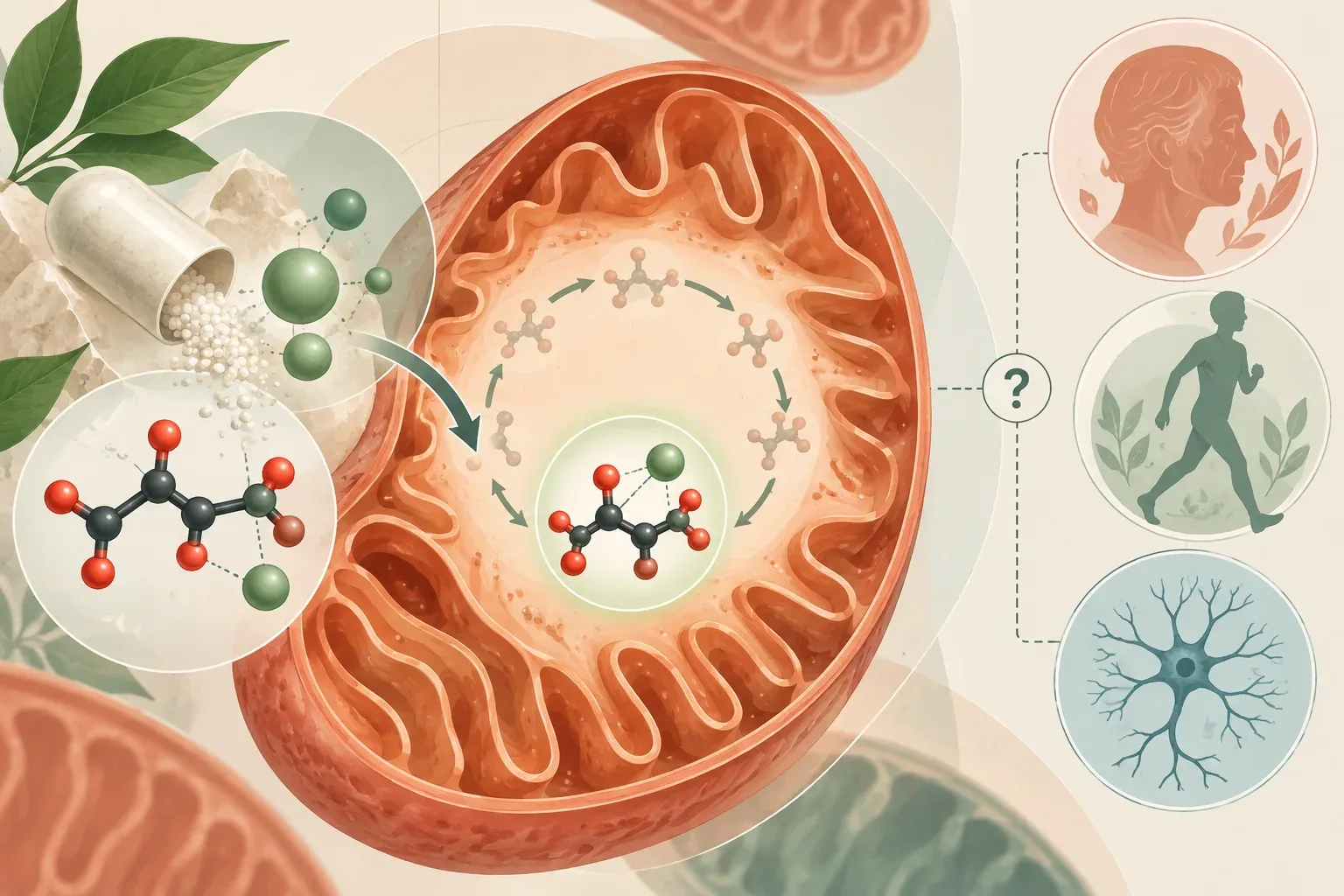
One manganese-containing enzyme, manganese superoxide dismutase, operates in mitochondria, where cells produce much of their usable energy. It helps convert a reactive by-product called superoxide into a form that other protective systems can handle. This is a specific enzyme function, rather than manganese acting as a substance that indiscriminately removes all oxidants.
Another manganese-dependent enzyme participates in converting nitrogen waste into urea for removal. These established jobs explain why a small dietary supply is necessary. [1]
The short version
Unit: milligrams (mg) of manganese. The Supplement Facts line lists the manganese itself.
Reasonable start: food. If you want it in a supplement, a multivitamin with about 1 to 4.5 mg is the ordinary amount.
| Product | Common supplement dosage | What that number means |
|---|---|---|
| Multivitamin with manganese | 1–4.5 mg | Milligrams of manganese |
| Manganese-only or few-ingredient product | 5–20 mg | Milligrams of manganese |
| Joint formula with glucosamine and chondroitin | Manganese listed with the other ingredients | Milligrams of manganese in the serving |
Skip: a manganese-only product sold for joints or bones, a 10 mg or larger product (the pill plus manganese already obtained from food puts most adults over the 11 mg daily ceiling), and extra manganese if you have liver disease.
What people take manganese for
| Claimed benefit | Dose / form studied | Research verdict | Evidence strength |
|---|---|---|---|
| Knee osteoarthritis relief | A combination containing 152 mg manganese-ascorbate compound twice daily plus glucosamine and chondroitin for six months; this is the weight of the manganese-ascorbate compound. | A subgroup improved, but manganese’s contribution cannot be isolated. | Insufficient |
| Improving bone density | 5 mg/day manganese with calcium, zinc and copper for two years in postmenopausal women. | Calcium plus trace minerals differed from placebo, but not clearly from calcium alone; manganese alone was not tested. | Insufficient |
| Better blood-sugar control | No established effective supplement dose or duration. | Blood-level associations conflict and do not show a pill improves glucose control. | Insufficient |
Almost nobody needs a manganese supplement. The adult adequate intake is 2.3 mg for men and 1.8 mg for women, and the NIH fact sheet says the limited intake data show most people already get that much from food, with no known group likely to fall short. Half a cup of brown rice has about 1.1 mg, an ounce of hazelnuts about 1.6 mg, and a cup of black tea about 0.5 mg. A multivitamin that includes manganese adds more on top.
A manganese product is not an established treatment for joints, bones, or blood sugar. The trials assessed here used combinations, so they cannot show what manganese alone contributed.
When to ask a doctor before taking manganese
Ask first if you have chronic liver disease. Manganese leaves the body in bile, and a liver that clears bile poorly lets it build up, which makes the nervous system more vulnerable to excess.
Ask too if you have iron deficiency, because low iron makes your gut absorb more manganese, or if you are exposed to it through welding, mining, or well water high in manganese.
The NIH fact sheet lists no medicines that interact with manganese in a way that matters.
Daily intake amounts and upper limits
As of 2026, there is no recommended daily amount for manganese; the National Academies set an adequate intake of 2.3 mg for men and 1.8 mg for women from food and supplements together. An adequate intake is the amount healthy people usually eat, set because there was not enough data for a true average requirement.
| Age | Daily amount, boys and men | Daily amount, girls and women | Official upper limit |
|---|---|---|---|
| Birth to 6 months | 0.003 mg | 0.003 mg | Not set; no supplements for babies |
| 7–12 months | 0.6 mg | 0.6 mg | Not set; no supplements for babies |
| 1–3 years | 1.2 mg | 1.2 mg | 2 mg |
| 4–8 years | 1.5 mg | 1.5 mg | 3 mg |
| 9–13 years | 1.9 mg | 1.6 mg | 6 mg |
| 14–18 years | 2.2 mg | 1.6 mg | 9 mg |
| 19 and older | 2.3 mg | 1.8 mg | 11 mg |
The tiny amount before 6 months is what breast milk supplies, and it is enough for a baby; the amount rises at 7 months, when first foods start.
The official upper limit from the National Academies is 11 mg a day for adults from food, water, and supplements together. It does not apply when a doctor is supervising the dose.
Neither the adequate intake nor the upper limit is set by body weight, and there is no official time-of-day or meal-timing rule.
What changes how much you absorb
People absorb only about 1 to 5 percent of the manganese in food, according to the NIH fact sheet. The share rises when intake is low and falls when it is high, and more than 90 percent of what is absorbed leaves in bile.
Iron status changes absorption the most. More iron in the diet and higher iron stores, measured as ferritin, go with less manganese absorbed. A shared gut transporter might contribute, but NIH says the mechanism is not known[1]. Men absorb less manganese than women, possibly because they tend to have higher iron stores. Low iron makes you absorb more manganese, which can worsen the effects of too much manganese.
Am I getting enough manganese from food?
Almost certainly. US intake data, though old, put adults at about 2.1 to 2.8 mg a day, at or above the adequate intake, and no group is known to fall short. The foods below, from the NIH fact sheet, show where it comes from.
Selected values from the NIH Office of Dietary Supplements food table[1] show the stated food and preparation. Amounts are per serving.
| Food and preparation | Source | Serving | Manganese (mg) |
|---|---|---|---|
| Blue mussels, cooked | Shellfish | 3 oz (about 85 g) | 5.8 mg |
| Hazelnuts, dry-roasted | Plant | 1 oz (about 28 g) | 1.6 mg |
| Brown rice, cooked | Plant | ½ cup | 1.1 mg |
| Chickpeas, cooked | Plant | ½ cup | 0.9 mg |
| Spinach, boiled | Plant | ½ cup | 0.8 mg |
| Black tea | Plant | 1 cup | 0.5 mg |
Grains, tea, and vegetables are the biggest sources for US adults. If you eat mostly meat, eggs, and dairy with few grains, nuts, or legumes, your intake may run lower, and a multivitamin with manganese covers the gap without a standalone product.
How can I tell if I'm low on manganese?
Manganese deficiency is very rare in humans. The NIH review[1] says its signs and symptoms are not firmly established, so there is no defensible minor, moderate and severe checklist.
What the limited human evidence suggests
Reported possibilities include poor bone mineralization and growth in children, and skin rash or loss of hair pigment in men. Changes in mood and premenstrual pain have been reported in women. These observations come from very limited evidence and do not diagnose a deficiency.
What testing can and cannot show
There is no routine test for manganese status, and your doctor will not order one to check your diet. Whole-blood manganese has a normal range of about 4 to 15 mcg/L (micrograms per liter), but it varies widely, and it is not clear that it reflects how much manganese you have. Levels in serum or plasma, the liquid part of blood, often do not track what you eat either. A blood test for manganese is used when the worry is too much — welding, mining, high-manganese water, or liver disease — not too little. [1]
Before the test if you already supplement
For whole-blood manganese, Mayo Clinic Laboratories[2] lists no fixed supplement-stop interval. Tell the clinician about manganese in a multivitamin or standalone product before changing it, especially when the reason for testing is possible excess. Its 96-hour restriction after gadolinium- or iodine-containing contrast is a separate rule for scan contrast, not a four-day manganese washout. Follow the guidance from the laboratory actually processing your sample.
Manganese forms you can buy
Manganese glycinate, bisglycinate chelate, sulfate, gluconate, citrate, and the other salts are not different minerals. Each one is manganese attached to a partner.
Manganese in a multivitamin
This is the ordinary way to get manganese in a supplement. Multivitamins that include it usually list 1 to 4.5 mg, near the adequate intake; not all multivitamins include it. A typical facts line reads Manganese (as manganese sulfate) 2 mg.
Standalone manganese
Manganese glycinate, bisglycinate chelate, aspartate, gluconate, picolinate, sulfate, citrate, and chloride are all sold, mostly at 5 to 20 mg. No data rank them for absorption. Pick one only with a reason your doctor has given, and add its milligrams to your food and any multivitamin before comparing with 11 mg.
Joint formulas with manganese
Some glucosamine and chondroitin formulas include manganese. If you take one, the manganese counts toward your daily total like any other source.
Can you take two manganese products the same day?
Add the milligrams on each facts line to your food and to any multivitamin. The official upper limit is 11 mg a day for adults from food, water, and supplements together.
What to pay attention to on the label
The number that counts is milligrams of manganese on the Supplement Facts line, and the check is to add it to what you eat and keep the total under 11 mg.
Which number on the label is the amount?
The Supplement Facts line lists elemental manganese — the manganese itself — not the weight of the whole compound. If a facts line reads “Manganese (as manganese bisglycinate chelate) 2 mg,” you are getting 2 mg of manganese. The Daily Value, the reference amount labels use, is 2.3 mg — the men’s amount — so the Supplement Facts label says about 87 percent of the Daily Value. For women, 2 mg is a little above the 1.8 mg daily amount.
Misleading labels
A 10 to 20 mg dose with no mention of the 11 mg ceiling
The Supplement Facts label on a 10 mg manganese-only product says about 435 percent of the Daily Value, and on a 20 mg product about 870 percent, with nothing on the label about the ceiling. Food adds roughly 2 to 3 mg a day, so a 10 mg product brings many adults to 12 or 13 mg, over the 11 mg ceiling, and a 20 mg product lands far over it.
Confusing servings and items per serving
Some manufacturers put 180 capsules on the front, and the back says 3 capsules per serving and 60 servings. The manganese on the facts line is for the whole 3-capsule serving.
A joint formula that borrows the glucosamine story
Some joint formulas list manganese next to glucosamine and chondroitin, and the marketing talks about the formula as one thing. The manganese line is a mineral amount, not proof that manganese helps joints. Check its milligrams against the ceiling like any other manganese.
Compound weight in the ingredient story
Some formulas name a manganese compound by its total weight in their marketing, such as “152 mg manganese ascorbate.” That weight includes the ascorbate. To compare it with the 11 mg ceiling, you would need the preparation’s elemental manganese amount; do not use the compound weight as that amount. On a retail product, the Supplement Facts line’s manganese milligrams are the number to count.
Manufacturer claims and the studies they may be based on
A “joint support” line on manganese may borrow a six-month knee trial of a glucosamine, chondroitin, and manganese ascorbate formula taken twice a day. A “bone health” line may borrow a two-year trial of calcium with manganese, zinc, and copper in postmenopausal women. Neither trial tested manganese alone. A “blood sugar” line may borrow studies that linked blood manganese to diabetes, which found both high and low levels associated with the disease and did not give anyone a supplement.
Final label check
Before adding a standalone product, identify the clinical reason, check whether a multivitamin already contributes 1 to 4.5 mg, and total the label milligrams against the 11 mg ceiling. If you have liver disease, avoid extra manganese unless the clinician managing it directs otherwise.
How long should I take manganese supplements for?
For ordinary nutrition, assess whether food supplies the daily adequate intake; true dietary deficiency is uncommon. There is no established joint-health loading course or evidence-based taper after a manganese product. The body adjusts uptake and sends much absorbed manganese into bile, but those processes do not provide a personal countdown to deficiency. NIH's manganese review[1] describes the scarcity of human deficiency data. If a clinician has identified a specific problem, let its cause and follow-up determine duration. Continuing a joint formula merely because it contains manganese can add exposure without addressing the reason for taking the formula.
How manganese interacts with other nutrients
Iron
Iron is the mineral that most changes how much manganese you absorb. Taking extra manganese with an iron supplement puts two minerals that compete for the same route into the same dose, so each can crowd out the other. If you take iron because a doctor found you low on it, a separate manganese product is not part of that plan, and can actually interfere.
Common Myths about Manganese
Does a manganese pill help joints?
Not on the evidence assessed here. The knee trial that joint formulas lean on tested glucosamine, chondroitin, and manganese ascorbate together. It cannot show what the manganese contributed.
Does food manganese cause the brain damage seen in welders?
No. The nervous-system damage called manganism has come from breathing manganese dust over years at work and from drinking water with very high manganese. The NIH fact sheet says there is no evidence of toxicity from high manganese in food, and a study that fed healthy young women a high-manganese diet found no change in clinical or mental-function tests.
Is a chelated form better absorbed?
No one knows. The NIH fact sheet says no data compare how well the different supplement forms are absorbed, so glycinate, bisglycinate chelate, sulfate, gluconate, and the others have no ranking.
Drawbacks and side effects
| Potential drawback | When/who it affects | Research evidence | Practical implication |
|---|---|---|---|
| Neurological toxicity | High exposure; liver disease and iron deficiency can increase susceptibility. | Documented harm is concentrated in inhalation and high-water exposures, not ordinary food intake. | Avoid adding high doses without a clinical reason, especially with liver disease or iron deficiency. |
| Exceeding intake boundaries | Standalone products added to food and other supplements. | US adult upper limit: 11 mg/day; EFSA safe intake: 8 mg/day, not an equivalent upper limit. | Count total elemental manganese and keep the two frameworks distinct. |
Too much manganese mainly harms the nervous system. Early signs include tremor, muscle spasms, ringing in the ears, hearing loss, feeling unsteady, headaches, irritability, insomnia, and changes in mood and short-term memory. Over time it can progress to a Parkinson-like problem with gait, balance, tremor, and rigidity.
Neurological toxicity is well documented after occupational inhalation of manganese dust. The National Academies describes a 1941 outbreak[3] involving battery-contaminated well water containing 14–28 mg manganese per liter. A later 1989 observational study[4] compared older residents of areas with different water concentrations; its highest-exposure area had 1.8–2.3 mg/L and more neurological signs. Those water exposures do not identify a toxicity threshold for supplement tablets. Chronic liver disease and iron deficiency can increase vulnerability to excess manganese.
The official upper limit is 11 mg a day for adults from all sources, 9 mg at 14 to 18, and lower for younger children, with none set for infants. The adult limit was derived from an 11 mg/day food-intake level without observed harm, using an uncertainty factor of one; a separate higher-intake blood-manganese study provided supporting context about nervous-system risk. The European Food Safety Authority in 2023 could not set an upper limit at all and named 8 mg a day as a safe adult intake instead. A 10 to 20 mg standalone product plus food can land at or over the US ceiling and well over the European safe level.
Manganese during pregnancy and breastfeeding
The adequate intake for women 14 to 50 is 2.0 mg a day in pregnancy and 2.6 mg while breastfeeding, from the National Academies as listed on the NIH fact sheet. Like the other amounts, those come from what healthy women usually eat, and food normally covers them. The official upper limit stays 9 mg at 14 to 18 and 11 mg from 19. A prenatal that lists manganese is part of that total, so a separate manganese product is not needed.
The science behind manganese
The research on manganese splits in two. As an essential nutrient, it is well established and food covers it. As a supplement for joints, bones, or blood sugar, it has not been tested on its own, and the trials that exist tested combinations.
Joints
In a six-month trial, 93 people with knee osteoarthritis took a formula of 1,000 mg glucosamine, 800 mg chondroitin sulfate, and 152 mg of manganese ascorbate — a weight that counts the ascorbate as well as the manganese — twice a day, or a placebo. The 152 mg compound weight cannot be compared directly with the 11 mg daily ceiling for elemental manganese. In that trial:
- Among the 72 with mild to moderate knee changes on X-ray, 52 percent responded compared with 28 percent on placebo.
- The 21 with severe changes did not show a statistically clear improvement.
- Side effects were similar in both groups.
The trial tested a patented commercial combination, so it cannot show what manganese added.
Bones
In a two-year four-arm trial, 59 healthy postmenopausal women received calcium alone, calcium plus 5 mg manganese, 15 mg zinc and 2.5 mg copper, trace minerals alone, or placebo; the calcium groups received 1,000 mg a day. Spine bone density changed more favorably with the calcium-and-mineral combination than with placebo, but its increase from baseline was not statistically clear, and the trial did not establish that adding trace minerals beat calcium alone. It is not possible to tell how much, if any, came from manganese. Studies comparing blood manganese in women with and without osteoporosis disagree with each other.
Blood sugar
Studies of blood manganese and type 2 diabetes point in every direction. A study of 1,614 adults with type 2 diabetes and 1,614 without, in China, found that people with the lowest and the highest plasma manganese were both more likely to have diabetes than those in the middle. In that study:
- The lowest group had 1.89 times the adjusted odds.
- The highest group had 1.56 times the adjusted odds.
Other studies found only high levels, only low levels, or no link. None gave manganese as a supplement, and a link in blood levels does not show that a pill would change blood sugar.
How much is too much?
The US ceiling leans partly on a study in which 15 mg a day of supplemental manganese raised blood manganese in women by day 25 and increased the activity of an enzyme that uses manganese by day 90. Those findings show that the exposure affected the body; they are markers, not illness. On the food side, a study that gave healthy young women a high-manganese diet found no harm on clinical or mental-function tests. The United States kept 11 mg as the adult ceiling; the European Food Safety Authority in 2023 said the evidence could not support a ceiling and named 8 mg as a safe intake. What is still open is where harm actually begins for healthy people taking pills, and whether manganese alone does anything for joints, bones, or blood sugar.
What you may have heard on podcasts
Two podcast guests mentioned manganese, and they worried about opposite things. Neither gave a milligram amount.
On 7 April 2017, on FoundMyFitness, Gordon Lithgow named manganese alongside copper as metals that rise in aging tissue and may matter for brain disease, and framed the open question as whether that rise can be prevented. That is a concern about too much building up.
On 27 July 2026, on The Diary of a CEO, Stasha Gominak listed manganese among the multivitamin minerals she said gut bacteria normally help the body with, and treated a shortfall as a sign of a damaged microbiome. That is a concern about too little.
The adequate intake stays 2.3 mg for men and 1.8 mg for women, and food covers it for most people.
Labs
There is no routine manganese test that answers a diet question. When the question is exposure — welding, mining, high-manganese well water, or liver disease — Walk-In Lab lists a whole-blood manganese test. The normal range is about 4 to 15 mcg/L. The result shows whether blood manganese is high, which is the question in those situations; it will not tell you whether your diet is short. If a doctor is checking you for manganese exposure, they will also want your liver tests and iron status, because both change how much manganese stays in your body.
The bottom line
Manganese is essential, but food ordinarily supplies it and the supplement claims for joints, bones and blood sugar remain unproven on their own. Positive findings from combination products do not tell us that adding isolated manganese will produce the same result.
We would check the total already supplied by food and multivitamins before considering a separate product. High exposure carries a neurological concern. If a label names a manganese compound, count the elemental manganese rather than assuming the whole compound weight is the nutritional amount.
Help us improve this article
Spotted an error or found a source we should consider? Tell us which part of this article needs another look and include a link if you have one. Please leave out personal health details and lab results; we can’t answer individual medical questions.
Explore more in joints



More in minerals
References
- NIH Office of Dietary Supplements: Manganese — Health Professional Fact Sheet ↩
- Mayo Clinic Laboratories ↩
- National Academies describes a 1941 outbreak ↩
- 1989 observational study ↩
- National Academies: Dietary Reference Intakes, manganese chapter
- European Food Safety Authority: manganese safe level of intake, 2023
- Davis and Greger: manganese supplementation and status in women
- Strause et al.: calcium and trace minerals and spine bone density
- Das and Hammad: glucosamine, chondroitin, and manganese ascorbate in knee osteoarthritis
- Finley et al.: high dietary manganese in young women
- Shan et al.: plasma manganese and type 2 diabetes
Corrections & updates
- Update
Updated the evidence discussion and practical guidance after editorial review.
- Update
Revised the article after editorial review, with clearer evidence explanations and practical guidance.