
What are the different iron forms?
Iron supplements supply iron in compounds such as ferrous sulfate, ferrous fumarate, ferrous gluconate, ferrous bisglycinate and iron polymaltose. The weight of the full compound differs from the amount of elemental iron—the iron itself—that it supplies.
There is no single iron form that absorbs best and causes the fewest digestive problems for everyone. Ferrous sulfate is the inexpensive, well-studied workhorse. Ferrous bisglycinate and iron polymaltose may be easier on the stomach for some people, but their evidence does not prove a universal advantage. By salt weight, fumarate is about one-third iron, sulfate one-fifth, and gluconate about one-eighth; those percentages do not predict comfort.
The most useful choice often comes after the form name: compare the elemental iron dose, and choose a tablet you can keep taking. If you are considering iron for fatigue or another symptom, do not self-start until a complete blood count and ferritin clarify the problem.
Iron forms at a glance
The table shows why the elemental amount and the quality of the evidence matter more than a “gentle” claim on the supplement's label.
| Form | What the label can mean | Absorption and response | Digestive tradeoff | Practical fit |
|---|---|---|---|---|
| Ferrous sulfate | About 20% iron by salt weight; 325 mg sulfate is about 65 mg elemental iron | Most established medical workhorse; schedule studies used this form | Constipation, nausea, pain, and diarrhea are common, especially as the dose rises | Low cost and a known clinical dose |
| Ferrous fumarate | About 33%; 325 mg fumarate is about 106 mg elemental iron | Effective ferrous salt; not proved better than sulfate | Not reliably gentler than sulfate | Common in prenatals, but check the elemental number |
| Ferrous gluconate | About 12%; salt weight can look large beside a smaller elemental dose | Effective when the elemental dose is adequate | Sometimes chosen as a lower-dose tablet, but not proved gentlest | Useful when its exact elemental dose and tablet size fit the plan |
| Ferrous bisglycinate | No fixed dose; read the elemental-iron line | Pooled pregnancy trials suggest a better hemoglobin response, but certainty was very low | Pooled trials reported fewer digestive events | A reasonable tolerance choice after deficiency is documented |
| Iron polymaltose | Ferric complex; read elemental iron directly. Ferrifol states 100 mg iron per tablet | Hemoglobin response was often similar to sulfate in adults and pregnant women; pooled child trials favored sulfate | Adult and pregnancy trials suggest fewer digestive complaints; the child trials did not show a clear safety difference | A clinician-directed alternative when ferrous salts are hard to tolerate |
This table does not rank one form first because the comparisons are not clean. Trials often use different elemental doses, schedules, ages, and outcome measures. The American Gastroenterological Association's (AGA) 2024 expert review concludes that no oral iron formulation has an overall advantage; it favors sulfate mainly because it is inexpensive.
The elemental dose can matter more than the form
The milligrams on the front label of an iron supplement bottle may describe either the whole salt or the iron itself. Those are not the same number.
- A 325 mg ferrous sulfate tablet provides about 65 mg elemental iron.
- A 325 mg ferrous fumarate tablet provides about 106 mg elemental iron.
- Ferrous gluconate is about 12% elemental iron, so its salt weight is much larger than its iron dose.
- A Ferrifol tablet states 100 mg iron as iron(III) hydroxide polymaltose complex. That is 100 mg of elemental iron, not 100 mg of the entire complex.
This arithmetic explains part of the stomach story. A 106 mg elemental dose can be harder to tolerate than a 25 mg dose even if their salt names differ. It also prevents a common prenatal error: a prenatal with 27 mg elemental iron as fumarate is not equivalent to a 325 mg fumarate medicine supplying 106 mg iron.
Frequency matters too. In small trials in iron-depleted women, a substantial dose of ferrous sulfate raised hepcidin, the hormone that slows iron absorption, for about a day. Women absorbed a larger share of each dose on alternate days than on consecutive days, and splitting the same daily amount into two doses did not improve absorption. Those were absorption studies, not proof that every person with anemia should dose every other day. They do support a conversation about schedule before abandoning oral iron entirely.
Iron used in flour or rice is chosen partly for how it behaves in that food. India's rice standard permits different concentrations for ferric pyrophosphate and sodium iron EDTA. The elemental-iron amount tells you how much iron is present; absorption also depends on the compound and the food around it. A permitted concentration is therefore not a direct measure of the iron a person absorbs. Brazil requires iron in specified wheat and maize flours, but a requirement alone does not prove that every batch meets it. Neither programme makes fortified food a substitute for investigating continuing blood loss. [1], [2], [3]
Choosing an iron form when stomach side effects are a problem
Ferrous sulfate: the reference form
Sulfate has the deepest clinical history and is usually the cheapest. That makes it a sensible first prescription, not the most comfortable form by definition. The NIH notes that supplemental iron doses of 45 mg a day or more can cause nausea and constipation. High-dose iron supplements can also cause abdominal pain, vomiting, and diarrhea. Treatment can legitimately exceed that amount under medical care, but the gut still notices the dose.
If sulfate works and the laboratory results are moving in the right direction, there is little reason to pay more for a different name. If side effects make you skip doses, sulfate's low cost and long clinical history stop mattering; skipped doses cannot correct the deficiency.
Fumarate and gluconate: different percentages, not automatic upgrades
Fumarate packs more elemental iron into a given weight of salt. That can make a tablet smaller, but it can also hide a large dose. A review that pooled gastrointestinal reports did not show fumarate to be gentler than sulfate. The studies varied in design and dosing, and the review was industry funded, so it does not prove sulfate is safer either. It does remove the basis for a confident “gentle fumarate” claim.
Gluconate contains a lower fraction of elemental iron. A tablet may therefore deliver a smaller dose, which some people find easier to tolerate. That is a dose difference, not proof that the gluconate molecule protects the gut. Compare elemental milligrams and the intended daily total.
Bisglycinate: promising for tolerance, not a settled winner
Ferrous bisglycinate is iron bound to the amino acid glycine. A systematic review of 17 randomized trials found fewer gastrointestinal events than with other oral irons and a better hemoglobin response in pregnant women. The authors rated the evidence very low certainty because some trials had design problems, the estimates were not precise, and small unfavorable studies may have gone unpublished. Many comparisons also used different doses.
That makes bisglycinate a reasonable option when standard ferrous salts cause trouble. It does not justify marketing claims that it is “activated” for methylation, a group of chemical reactions in the body, or that it always absorbs better.
Iron polymaltose: a real alternative with a mixed evidence file
Iron(III) hydroxide polymaltose complex is a ferric iron medicine wrapped in a large carbohydrate complex. It is oral iron, not an infusion and not the same as liposomal or sucrosomial iron.
An older adult review reported similar final hemoglobin with polymaltose and sulfate, with adverse reactions in 14.9% versus 34.1%. Two pregnancy trials also found similar hemoglobin gains and fewer reported adverse effects with polymaltose. One double-blind trial reported gastrointestinal intolerance in 27% of the polymaltose group and 65.4% of the sulfate group. However, that trial used different elemental doses, folic-acid amounts, and schedules, so form was not the only changing variable.
The pediatric evidence points the other way on effectiveness. A 2026 meta-analysis of eight randomized trials in 643 children found that sulfate increased hemoglobin by 0.87 grams per deciliter more and ferritin by 12.82 micrograms per liter more than polymaltose. Those laboratory differences favored sulfate, but the review did not establish how much they changed symptoms or daily functioning. It found no clear difference in overall adverse events, although the estimate was uncertain. This does not cancel the adult tolerance signal; it shows why “polymaltose is better” is too broad. Iron treatment in children belongs with a clinician, and every bottle must be locked away.
Where the Ferrifol form fits
Ferrifol needs a separate check because it combines polymaltose iron with folic acid, changing both the purpose and the dose arithmetic. Each tablet contains:
- 100 mg elemental iron as iron(III) hydroxide polymaltose complex
- 0.40 mg (400 micrograms) folic acid
The 400-microgram folic-acid amount matches the daily amount in the World Health Organization's recommendation for preventing iron and folate deficiency during pregnancy. The iron amount does not: WHO's prevention range is 30–60 mg elemental iron per day, while one Ferrifol tablet supplies 100 mg. Ferrifol therefore should not be swapped into a prenatal routine as if the products were equivalent.
The folic acid does not have a demonstrated role as an iron-absorption enhancer. It prevents or treats a separate folate need. The available pregnancy trial cannot prove synergy because both the polymaltose and sulfate groups received folic acid.
The leaflet instructs adults and adolescents older than 12 to take one tablet daily for prevention and three daily for treatment, during or after a meal. Three tablets supply 300 mg elemental iron plus 1,200 micrograms of folic acid. The folic-acid total is above the adult tolerable upper intake level of 1,000 micrograms from supplements and fortified foods, although that limit does not apply to medically supervised high-dose treatment. Folic acid can also correct the anemia of vitamin B12 deficiency while neurological injury continues. The three-tablet regimen therefore needs the labeled clinical indication, follow-up, and consideration of vitamin B12—not casual self-escalation.
Ferrifol makes sense when a clinician wants a treatment-sized polymaltose dose and folic acid is also appropriate. It adds an unnecessary second active ingredient when only iron is needed. Use the exact product and dose named by the clinician or pharmacist.
If iron causes constipation, nausea, or stomach pain
Do not respond by randomly buying the form with the gentlest-sounding name. Use a sequence that preserves both tolerability and the chance of correcting the deficiency.
- Check the elemental dose. A high-dose tablet may be the problem, especially when the front label shows salt weight rather than elemental iron.
- Count every source. Prenatals, multivitamins, standalone iron, and combination medicines such as Ferrifol all contribute to the total.
- Ask whether once-daily or every-other-day dosing fits the treatment plan. AGA advises oral iron once daily at most and notes that every-other-day dosing may be better tolerated with similar or equal absorption. Do not change a prescribed anemia regimen without the prescriber.
- Use food when tolerability requires it. Iron may absorb better on an empty stomach, but a dose that causes vomiting or gets skipped does not help. Follow the named product's instructions; Ferrifol specifically says during or after a meal.
- Take calcium and iron supplements at different times of day, and do not drink tea or coffee with the iron dose. Separate iron from levothyroxine by four hours. A pharmacist can check other medicines.
- Measure response. If hemoglobin and ferritin are not improving, the answer may be poor adherence, ongoing blood loss, inflammation, malabsorption, or the wrong diagnosis—not simply the wrong salt.
Persistent intolerance, failure to respond, or inability to take oral iron is a reason for clinical review. Intravenous iron can be appropriate for documented deficiency when oral treatment fails or cannot be used, but it is a clinic drug with product-specific risks, not a wellness upgrade.
Who should ask a doctor before choosing an iron form?
Do not self-start iron for fatigue alone. A complete blood count and ferritin help distinguish iron deficiency from other causes; inflammation can make ferritin look higher than the underlying iron stores. Unexplained iron-deficiency anemia in men and in women after menopause needs its cause investigated rather than hidden by a better-tolerated tablet.
People with hemochromatosis or already-high iron stores should avoid extra iron unless their clinician directs it. Pregnancy treatment, childhood dosing, recent intravenous iron, suspected vitamin B12 deficiency, and anemia that is severe or worsening also need medical direction.
Oral iron can make stool dark; Ferrifol lists this as very common. If a child may have swallowed adult iron tablets in the United States, call Poison Control at 1-800-222-1222 immediately; outside the United States, use local poison-emergency procedures.
Preparing for a test if you take supplements
Before repeat bloodwork: if the test includes serum iron or transferrin saturation, Mayo specifies 24 hours without iron-containing supplements[4]; confirm with your prescriber. This applies across oral iron forms. It is not a universal pause for ferritin alone, and retesting after intravenous iron needs a separate schedule.
Iron tablets can make stools dark or black, and liquid iron can stain teeth[5]. A color change alone can be expected. Black stools that are also tarry, red blood, or significant abdominal pain need prompt medical advice; do not assume every dark stool is simply the supplement.
What the research actually says
The contradiction is the useful part. AGA says no oral formulation has an overall advantage. The bisglycinate evidence suggests fewer digestive effects but is very uncertain. Adult and pregnancy polymaltose evidence suggests similar hemoglobin response with better tolerance, while pediatric pooled evidence favors sulfate and does not show a clear safety advantage. The trials rarely hold elemental dose, schedule, population, and formulation constant at the same time.
So the practical winner is the treatment that supplies a clear elemental dose, is appropriate for the diagnosed problem, can be taken consistently, and produces the expected laboratory response without unacceptable side effects.
The bottom line
There is no iron form that wins on effectiveness and stomach comfort for everyone. Sulfate is a well-studied, inexpensive starting option. Bisglycinate or polymaltose may help when tolerance is a problem, but the comparisons have limits and their results differ across patient groups.
The useful choice is the elemental amount and schedule that correct the documented deficiency and that you can keep taking. If side effects mean missed doses, discuss changes with a healthcare professional rather than simply buying a gentler-sounding name. Follow-up bloodwork and investigating the cause of the deficiency matter more than winning an argument about which iron form is "best".
Help us improve this article
Spotted an error or found a source we should consider? Tell us which part of this article needs another look and include a link if you have one. Please leave out personal health details and lab results; we can’t answer individual medical questions.
Explore more in gut & digestion

Nutrient connections worth understanding
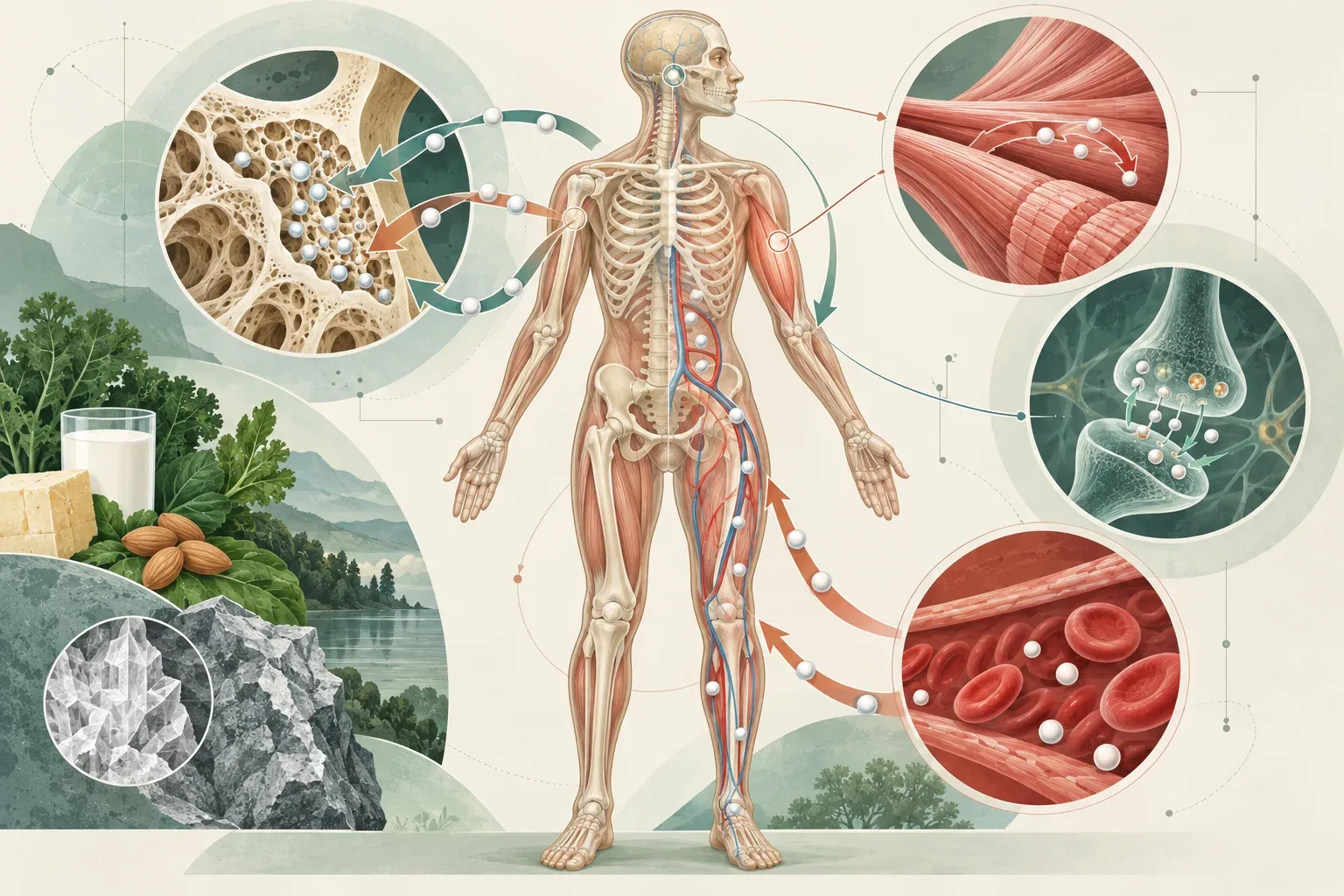 Absorption competition
Calcium: Daily Needs, Elemental Milligrams, Forms, and What the Trials Found
Connection details
Context: calcium with the iron dose
Calcium with the iron dose can lower absorption.
Source for this connection
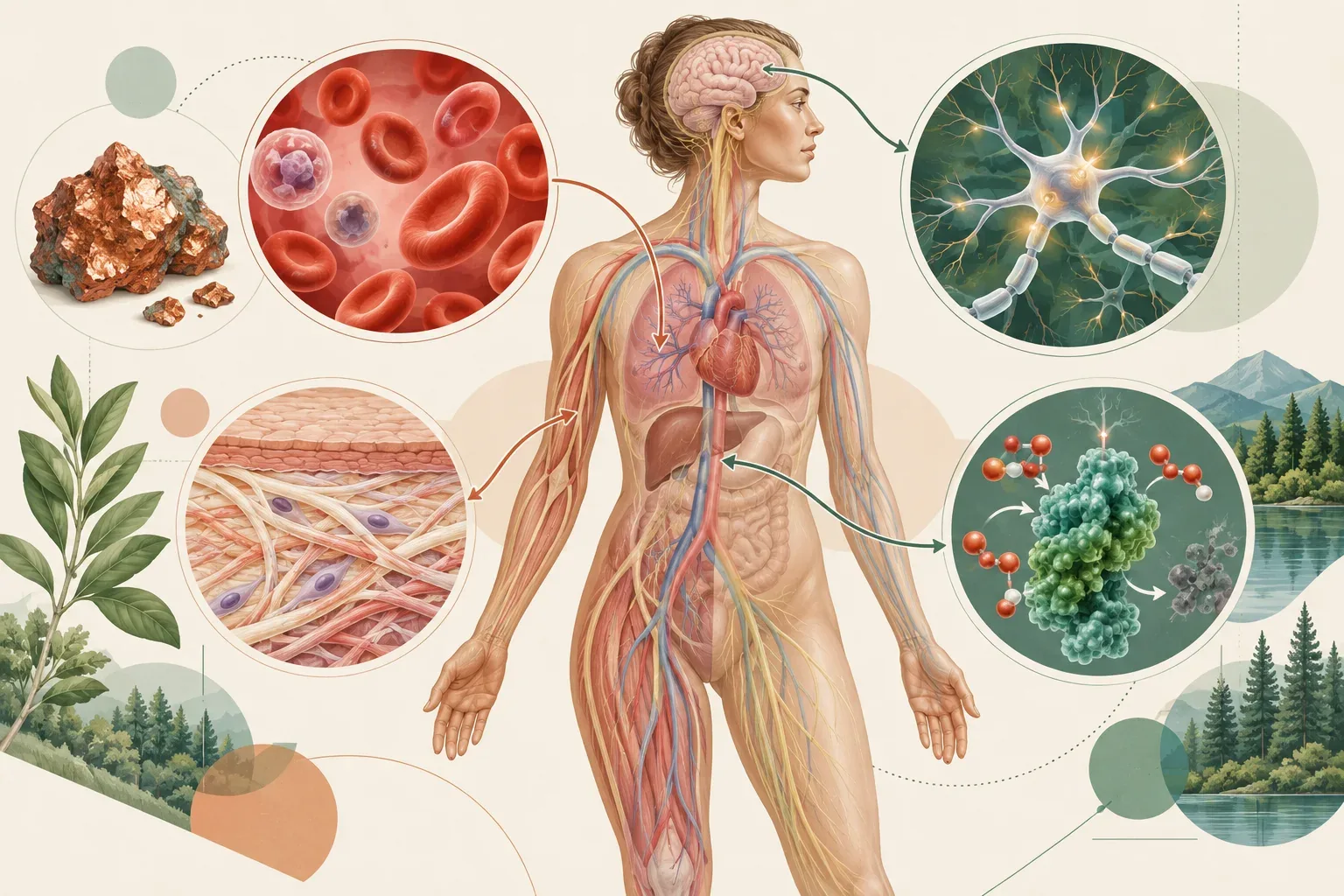 Nutrient use
Copper Supplements: When Extra Copper Helps—and How to Read the Amount
Connection details
Context: using iron; zinc-wrecked copper
Copper is needed to use iron. It is not a substitute tablet when ferritin is low unless the story is high-dose zinc that wrecked copper.
Source for this connection
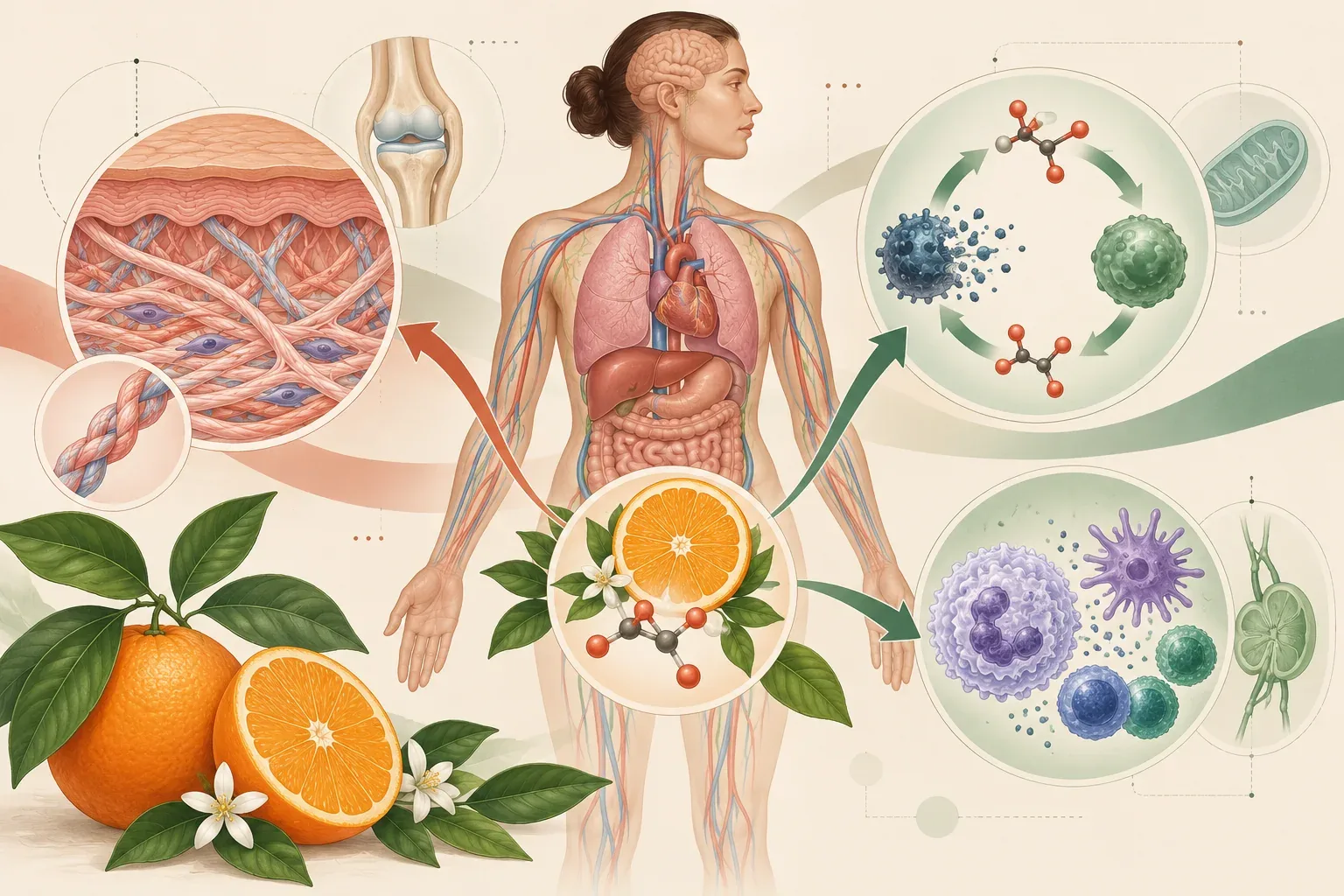 Absorption & use · Combined risks
Vitamin C (Ascorbic Acid): Daily Amount, Forms, Colds, and High-Dose Claims
Connection details
Context: plant / nonheme iron with a meal
Vitamin C can improve nonheme iron absorption at a meal; that does not guarantee higher long-term iron stores.
Source for this connectionContext: hereditary hemochromatosis or already-high iron
Extra vitamin C supplements are a skip in iron overload unless a clinician directs otherwise.
Source for this connection
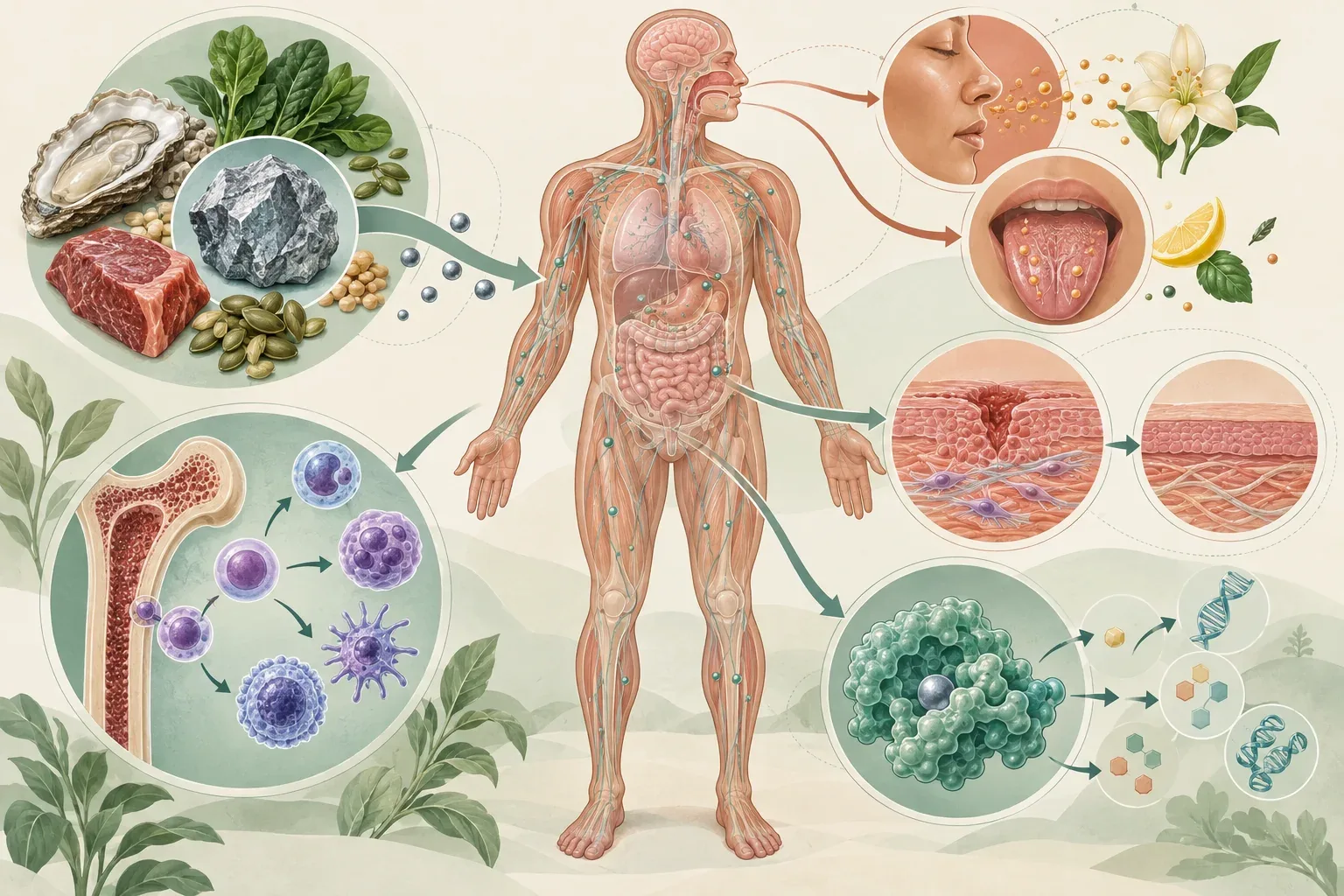 Absorption competition
Zinc Supplements: Daily Nutrition, Cold Lozenges and Eye Formulas Are Different Decisions
Connection details
Context: high-dose zinc with the iron dose
High-dose zinc with the iron dose can lower iron absorption.
Source for this connection
More in minerals

References
- WHO flour-fortification guidance ↩
- Indian standard ↩
- Brazilian monitoring ↩
- Mayo specifies 24 hours without iron-containing supplements ↩
- Iron tablets can make stools dark or black, and liquid iron can stain teeth ↩
- NIH Office of Dietary Supplements: Iron, health professional fact sheet
- AGA Clinical Practice Update on iron-deficiency anemia, 2024
- Ferrous bisglycinate systematic review and meta-analysis
- Adult iron polymaltose review and meta-analysis
- Saha et al.: iron polymaltose versus sulfate in pregnancy
- Ortiz et al.: polymaltose versus sulfate in pregnancy
- Iron polymaltose versus sulfate in children, 2026 meta-analysis
- Ferrifol product page
- Ferrifol patient leaflet
- WHO: daily iron and folic acid supplementation during pregnancy
- NIH Office of Dietary Supplements: Folate, health professional fact sheet
- Poison Control: iron poisoning
Corrections & updates
- Update
Updated the evidence discussion and practical guidance after editorial review.
- Update
Revised the article after editorial review, with clearer evidence explanations and practical guidance.