
What is magnesium?
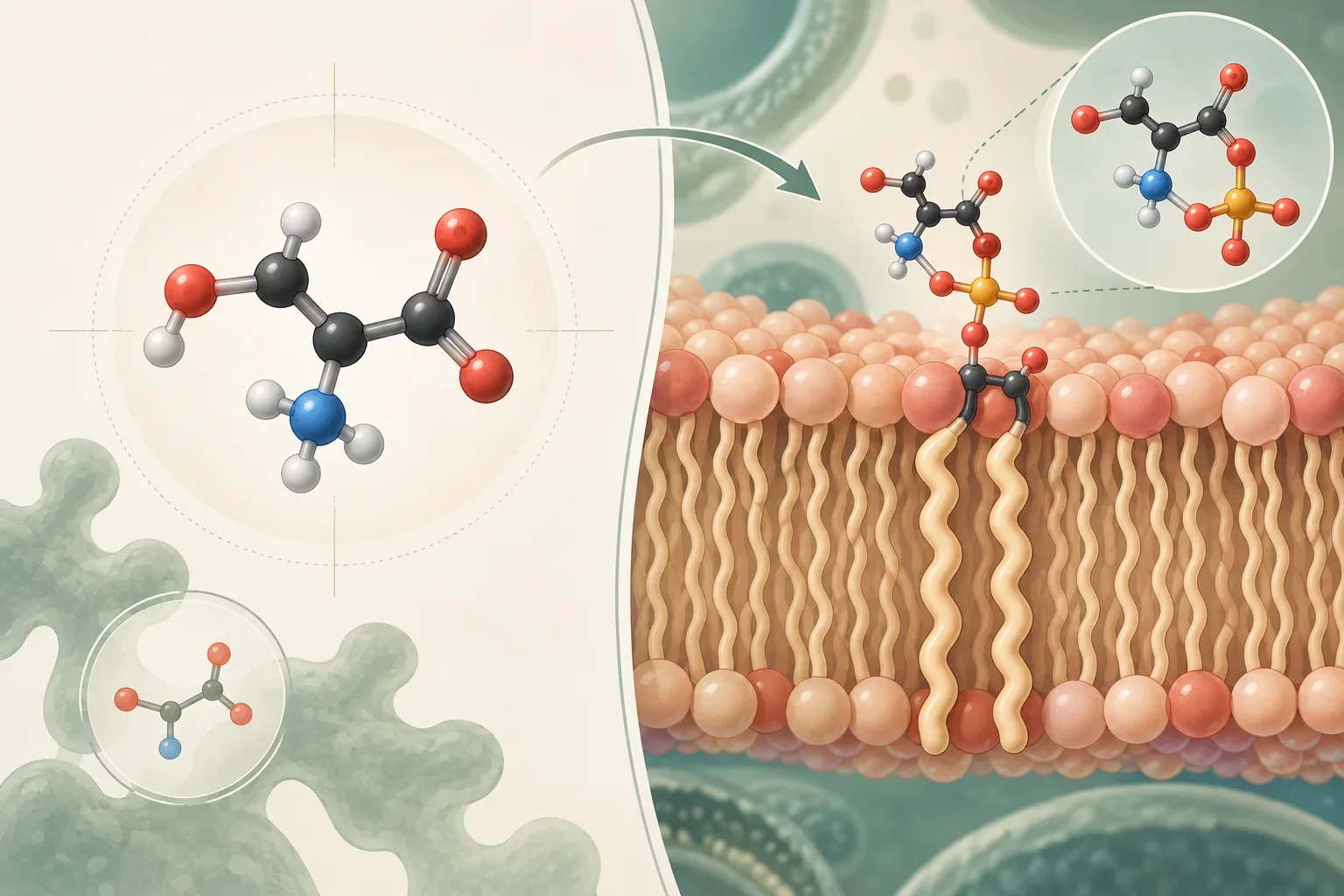
Magnesium is a mineral used in muscle and nerve function, energy metabolism and bone. Nuts, seeds, legumes, leafy vegetables and whole grains supply it through food. Supplements attach magnesium to different partners, producing names such as citrate, glycinate, oxide and threonate.
For every oral form, count elemental magnesium—the magnesium itself, without the weight of its attached partner. A large compound weight on the front of a package can hide a much smaller magnesium amount in the full serving.
What does magnesium do in your body?
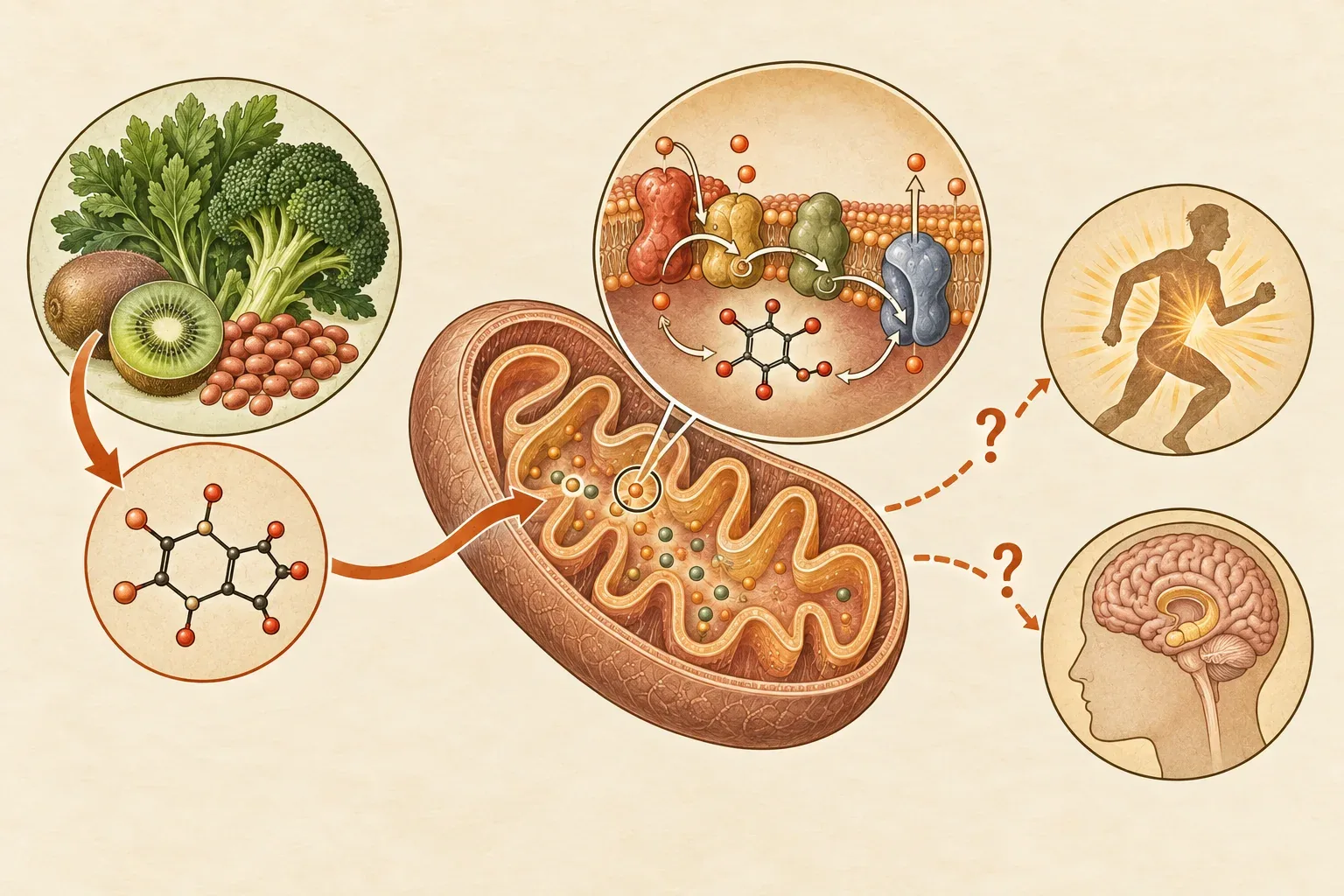
Magnesium helps enzymes carry out reactions throughout the body. Many of these reactions use ATP, the molecule cells spend to power their work. Many enzymes use ATP bound to magnesium: the mineral helps the molecule take part in the reaction, rather than supplying calories itself. [1]
It also supports the movement of charged minerals across cell membranes. Those movements allow nerves to carry electrical signals, muscles to contract and the heart to maintain a normal rhythm. Magnesium is involved in making proteins and genetic material, and some is incorporated into the skeleton.
Most magnesium is held inside cells or in bone, with only a small part circulating in blood. The kidneys help regulate the amount retained or lost. Because little magnesium circulates in blood, a single blood measurement cannot describe every tissue's supply. [2]
Why do people take magnesium?
| Claimed benefit | Dose / form studied | Research verdict | Evidence strength |
|---|---|---|---|
| Filling a dietary gap | Amount depends on diet; adult requirements are 310–420 mg/day from all sources | Adding magnesium increases intake; that is distinct from promising symptom relief. | Strong |
| Better sleep | 250 mg elemental magnesium/day as bisglycinate for four weeks | A small questionnaire improvement versus placebo, not proof of the best form for sleep. | Limited, but promising |
| Better cognition or sleep with Magtein | 2 g/day magnesium threonate, explicitly 145 mg elemental in the trial, for six weeks | Some scores improved; other cognitive tests and measured sleep did not. | Limited |
| Constipation relief | One trial used 1.5 g/day magnesium oxide compound for four weeks | Some bowel outcomes improved; this was laxative treatment, not a daily nutrition amount. | Limited, but promising |
| Migraine prevention | A trial used 600 mg elemental magnesium/day as trimagnesium dicitrate for 12 weeks | There is a weak guideline recommendation; the amount exceeds the usual supplement limit and needs clinical review. | Limited |
| Lower blood pressure | Varied elemental amounts and salts; trials commonly lasted several weeks | Average reductions are modest, with substantial variation and some null trials. | Limited |
| Fewer older-adult night cramps | Trials used different products; a newer trial tested 250 mg elemental/day for four weeks | Results conflict, including a newer placebo-controlled result showing no clear benefit. | Limited |
When to ask a doctor before taking it
Kidney disease is a particular concern because the kidneys may not remove magnesium adequately. Discuss supplementation with your clinician if you have kidney disease, an irregular heartbeat, persistently low blood magnesium, poor intestinal absorption, or medicines that affect magnesium balance.
Magnesium can interfere with absorption of some medicines, including certain antibiotics and osteoporosis drugs. For example, it can bind to certain antibiotics in the gut, forming compounds that are poorly absorbed and making the medicine less effective. Taking the medicine and magnesium at different times helps avoid this interaction. Ask a pharmacist how far apart to take them, as the required gap varies by medicine and can be several hours. Combining a supplement, an antacid and a laxative may also duplicate magnesium.
Common dosage and food
The recommended daily amounts from the National Academies include food and supplements.
| Adult age | Men | Women |
|---|---|---|
| 19–30 years | 400 mg/day | 310 mg/day |
| 31 years and older | 420 mg/day | 320 mg/day |
The adult upper limit is 350 mg/day from supplements and magnesium medicines, excluding ordinary food. It was set chiefly because of diarrhea. Thus, a 400 mg pill serving can be below the dietary requirement for some men yet above the supplement limit. This is not a contradiction: the two numbers count different sources.
Review your usual nuts, seeds, beans, whole grains and green vegetables before considering a supplement.
Selected values from the NIH Office of Dietary Supplements food table[2] show the stated food and preparation. Amounts are per serving.
| Food and preparation | Source | Serving | Magnesium (mg) |
|---|---|---|---|
| Pumpkin seeds, roasted | Plant | 1 oz (about 28 g) | 156 mg |
| Chia seeds | Plant | 1 oz (about 28 g) | 111 mg |
| Almonds, dry-roasted | Plant | 1 oz (about 28 g) | 80 mg |
| Spinach, boiled | Plant | ½ cup | 78 mg |
| Soymilk, plain | Plant | 1 cup | 61 mg |
| Black beans, cooked | Plant | ½ cup | 60 mg |
Record your usual portions for several days and use food labels or a nutrient database to estimate average intake. A dietitian can help if your diet is restricted or estimating is difficult. If a supplement is appropriate, count the remaining gap and every magnesium-containing product.
What changes how much you absorb
NIH estimates[2] that people typically absorb about 30%–40% of dietary magnesium. That is an overall dietary range, not a fixed percentage for every food or pill. More soluble supplement forms such as citrate and chloride tend to be absorbed more completely than oxide in small studies. Refining grain removes magnesium before eating; that lowers the amount present rather than blocking absorption of what remains. NIH also describes interference in a study using 142 mg/day supplemental zinc, far above an ordinary zinc intake.
How can I tell if I'm low on magnesium?
Poor absorption, gastrointestinal disease, certain medicines, diabetes and alcohol dependence can increase the risk of magnesium deficiency. The NIH deficiency summary[2] describes symptoms that can worsen as depletion progresses.
Early or mild deficiency
Loss of appetite, nausea, vomiting, fatigue and weakness can occur. A modest dietary gap may have no recognizable symptoms, and tiredness alone is not specific to magnesium.
Worsening deficiency
Numbness, tingling, muscle contractions and cramps can develop. These signs are reasons to consider the wider clinical picture, including medicines and ongoing losses.
Severe deficiency
Seizures, abnormal heart rhythms and disturbances of calcium or potassium can occur. Seizures or significant rhythm symptoms need urgent medical care. These are clinical patterns, rather than precise symptom-based cutoffs between minor and moderate deficiency.
Testing and interpretation
For more information about testing for magnesium, see the lab tests and preparation details near the end of this article.
Forms you can buy
| Form | What is useful to know |
|---|---|
| Glycinate or bisglycinate | Magnesium attached to glycine; commercial compounds differ, and sleep superiority over citrate is unproven |
| Citrate | More readily absorbed than oxide in some comparisons; can loosen stool |
| Oxide | High magnesium fraction by weight, often lower absorption; also used as a laxative |
| L-threonate, including Magtein | A relatively small elemental contribution within a large compound amount; specific short trials have mixed outcomes |
| Malate | A different partner molecule, without a demonstrated unique muscle-pain advantage in this review |
| Taurate | Sparse direct human evidence for claimed form-specific benefits |
| Chloride, lactate or aspartate | Other available sources; some absorption comparisons favor them over oxide, without proving better relief of symptoms |
Form can affect tolerance, solubility and the number of tablets needed. A study of a named ingredient does not validate every retail preparation with a similar name. We have not selected a seller product; compare the actual label and the reason for use rather than paying for a long form list alone.
What to look for on the label
Which number is magnesium?
Use the Supplement Facts line reading Magnesium, followed by its elemental milligrams. The parenthetical form names its source. Do not multiply that declared magnesium amount by a chemical percentage again.
Misleading labels
A compound weight presented as the magnesium amount
“2,000 mg Magtein” describes the threonate preparation. Its magnesium contribution is roughly 144 mg by common retail conversion; the specific six-week trial declared 145 mg. Neither means 2,000 mg elemental magnesium.
A blend sold by counting form names
A product listing seven magnesium forms has not shown seven separate benefits. If it declares only the combined elemental amount, you also cannot tell how much each form contributes. “Buffered glycinate” can include oxide; read the complete ingredient description.
A high Daily Value mistaken for a safety guarantee
The Daily Value percentage compares a serving with a nutrition reference. It does not tell you how much you absorb or whether the serving is below the supplement limit. For that comparison, add the elemental milligrams from all capsules, antacids and laxatives and compare the total with the adult limit of 350 mg/day.
When to take magnesium
There is no official general morning-versus-night schedule for magnesium supplementation. Dividing a poorly tolerated serving can help reduce digestive side effects. Check your product's directions and any spacing needed around medicines, and count the full day's elemental magnesium even if you take it in separate doses.
The sleep trials discussed below did not directly compare morning with bedtime dosing, so they do not establish a best time.
How long should I take magnesium supplements for?
If the reason is a recurring gap between food and the daily amount, use food or a modest supplement to cover that gap while it persists, then recalculate when your diet changes. Confirmed deficiency, excess losses, or a condition affecting absorption needs a cause-specific replacement and follow-up plan. There is no established fixed course for improving sleep.
How magnesium interacts with other nutrients
Vitamin D
Magnesium participates in enzymes involved in vitamin-D metabolism. Starting vitamin D does not by itself establish a need for extra magnesium. Consider the dietary and clinical context of each nutrient.
Potassium
Magnesium depletion can contribute to difficulty correcting low potassium. Persistently low potassium needs medical investigation.
Common Myths about Magnesium
Does eating less than the recommended amount prove a deficiency?
No. A dietary shortfall and a diagnosed deficiency are different findings. A clinician can consider your diet, symptoms, medicines and test results together.
Drawbacks and side effects
| Potential drawback | When/who it affects | Research evidence | Practical implication |
|---|---|---|---|
| Diarrhea, nausea or abdominal cramps | Supplemental and laxative use | [2] | Count all products and reassess poor tolerance |
| Excess magnesium in the blood | Particularly impaired kidney function or high amounts from magnesium-containing medicines | [2] | Seek clinical guidance with kidney disease; do not self-escalate |
| Reduced medicine absorption | Certain drugs taken close to magnesium | [2] | Use the drug-specific spacing instructions |
Magnesium during pregnancy and breastfeeding
Women aged 19–30 need 350 mg/day in pregnancy; those aged 31–50 need 360 mg/day. During breastfeeding the corresponding amounts are 310 and 320 mg/day. Pregnant adolescents aged 14–18 have a 400 mg total requirement.
These are food-plus-supplement amounts. The usual 350 mg adult supplemental limit still applies during pregnancy. Count a prenatal's magnesium before adding another product.
A Cochrane review of ten oral-supplement trials involving 9,090 women[3] did not establish that routine oral magnesium prevents pregnancy complications. Its main results found no reliable reduction in preeclampsia—a pregnancy complication involving high blood pressure—or in babies being unusually small for their stage of pregnancy, or deaths around birth. Only two trials were judged high quality, and their main results were also inconclusive.
Other results pointed in both directions. Deaths after birth and before hospital discharge were more frequent with supplementation across four trials involving 5,373 infants: the estimated relative risk was 2.21 times that with the comparison treatment, with a wide uncertainty range of 1.02–4.75. One trial dominated this finding. Severe congenital abnormalities and deaths among extremely small twins complicated its interpretation; excluding deaths attributed to severe abnormalities removed the clear difference. This is an unresolved signal, not evidence that magnesium caused the deaths.
Some other findings favored magnesium, including fewer low scores on the newborn's five-minute health assessment, fewer signs of distress in the baby and fewer maternal hospital admissions. Preparations, amounts and treatment periods varied. Meeting pregnancy's nutritional requirement and using magnesium to prevent a pregnancy complication remain separate decisions.
The science behind magnesium
Sleep and cognition
In the Schuster trial[4], 155 adults with poor sleep received bisglycinate providing 250 mg elemental magnesium daily or placebo—an inactive pill—for four weeks, taken 30–60 minutes before bedtime. Insomnia questionnaire scores fell 3.9 points versus 2.3—a modest 1.6-point difference. Most participants did not improve by the study's six-point threshold. The finding concerns reported insomnia symptoms; it does not establish a large improvement in sleep or show that bedtime dosing is better than morning dosing.
The bisglycinate preparation also supplied about 1.5 g glycine daily. Because there was no group taking glycine alone, the study cannot separate magnesium's contribution from glycine's or their combination.
In Lopresti's six-week trial[5], 100 adults aged 18–45 who were dissatisfied with their sleep took 2 g/day Magtein, explicitly supplying 145 mg elemental magnesium, or placebo. The active amount was divided between morning and evening. A combined cognitive-test score improved, but a separate reasoning test did not. Participants also reported less sleep-related impairment—how much sleep problems affected them—without a clear improvement in sleep measured by their wearable devices. Improvement on one measure should not be read as improvement across memory, reasoning and sleep generally.
Threotech funded, supplied and helped conceive the Magtein study. An October 2026 correction clarified that the statistical tests considered differences in either direction, rather than only an improvement; the authors said results and conclusions were unchanged.
Neither trial compared glycinate with citrate or threonate at equal elemental amounts, or tested a combination of daytime and nighttime magnesium forms.
Does magnesium prevent migraine?
Oral magnesium has a plausible role in prevention, with mixed trial results. In Peikert's 81-person trial[6], adults received 600 mg elemental magnesium a day as trimagnesium dicitrate or placebo for 12 weeks. During the final four weeks, attack frequency fell by 41.6% from baseline with magnesium and 15.8% with placebo. Migraine days and use of acute medicines also improved. Attack intensity and duration did not significantly improve.
A second trial by Pfaffenrath[7] reached a different result. It compared magnesium with placebo in 69 adults at a planned interim analysis and stopped because the response was too similar between groups. It also found no advantage in migraine days or attacks. The daily amount was 20 millimoles, approximately 486 mg elemental magnesium. Loose stools and diarrhea were more common with magnesium.
The studies used different preparations and definitions of response. They were not a direct comparison that could identify a winning magnesium salt. They also tested prevention over weeks, rather than relief during an attack.
The 2023 VA/DoD headache guideline[8] weakly suggests oral magnesium for prevention, carrying forward an earlier recommendation without a new evidence review. These therapeutic amounts exceed the usual 350 mg/day supplement limit and belong in a clinician-guided decision, with digestive tolerance and kidney function considered. Intravenous magnesium for an acute attack is a separate treatment question.
How does magnesium help constipation?
Magnesium oxide can act as an osmotic laxative: it draws water into the bowel, helping soften stool. A form that is less completely absorbed can still be useful for this purpose. Ranking every magnesium product solely by how much reaches the blood misses that difference in intended use.
Oral magnesium sulfate, sold as Epsom salts, is also labeled for occasional constipation[9]. That laxative use does not show how much magnesium passes through skin during a bath or whether a bath corrects deficiency.
In Mori's four-week study[10], 34 women with constipation were randomized and 33 were analyzed. They took 1.5 g/day of magnesium oxide compound or placebo. Overall improvement was reported by 12 of 17 women taking oxide and 4 of 16 taking placebo. Bowel movements without rescue laxatives increased, but the comparison for responding with more complete bowel movements was not significant. A complete movement means the person felt fully emptied.
The studied 1.5 g is the weight of magnesium oxide, not 1.5 g of elemental magnesium. It is a laxative-treatment amount, well beyond an ordinary nutritional supplement serving. These studies support a particular medicinal use; they do not establish how to self-treat long-standing constipation indefinitely. Kidney impairment increases the risk that absorbed magnesium accumulates. If you have kidney disease, discuss a magnesium laxative with your clinician before using it.
Can magnesium lower blood pressure?
Across trials, the average reduction is small and varies considerably. A 2025 review of 38 randomized trials[11], involving 2,709 participants, found reductions of about 3 mm Hg in systolic pressure, the upper number, and 2 mm Hg in diastolic pressure, the lower number. The typical study lasted around 12 weeks. Results differed substantially between trials.
The review found more favorable results in groups with hypertension or low blood magnesium. Groups with normal blood pressure did not show a clear reduction. Those group-level comparisons suggest where benefit may be more likely; they cannot predict an individual's response. The analysis did not find that progressively higher amounts reliably lowered pressure more.
A direct trial of citrate, oxide and sulfate[12] illustrates why form absorption and blood-pressure benefit are separate questions. In 164 overweight or mildly obese adults, each magnesium group received 450 mg elemental magnesium daily for 24 weeks. None of the three forms improved blood pressure or arterial stiffness compared with placebo. More magnesium appeared in urine with citrate, consistent with more being absorbed and then excreted, without a better blood-pressure result. Industry and public-private funding supported the study; the authors reported no sponsor role in its design, analysis or reporting.
For someone with high blood pressure, addressing a magnesium shortfall may be useful alongside established care. This evidence does not identify a preferred salt or justify increasing the amount until the pressure falls.
Can magnesium help depression or anxiety?
The results are encouraging in some settings, but the type of comparison matters. In Tarleton's trial[13], 126 adults with mild-to-moderate depressive symptoms were assigned to take magnesium immediately or after a six-week delay. Of those, 112 supplied usable data. Six weeks of magnesium chloride supplying 248 mg elemental magnesium daily produced an adjusted net improvement of 6 points on the 27-point depression questionnaire compared with the period without supplementation (95% confidence interval, 4.2–7.9 points of improvement). The unadjusted difference was 4.2 points. Anxiety scores also improved, as a secondary outcome. Participants kept their existing depression treatment stable.
This was an open-label study without a placebo: participants knew when they were taking magnesium. Expectation and changes in how symptoms were reported could contribute to the difference. The study had university funding and its authors declared no competing interests.
A separate placebo-controlled trial[14] enrolled 60 adults with depression and low blood magnesium. After eight weeks, scores on the Beck Depression Inventory-II fell by about 15.7 points with magnesium oxide tablets and 10.4 with placebo. This was a different questionnaire from the one in Tarleton’s trial, so the point changes are not directly comparable. It reported two 250 mg oxide tablets daily; that tablet description should not be read as 500 mg of elemental magnesium. Small studies with different treatments and starting magnesium levels leave the best preparation and the size of a dependable benefit unsettled. These findings are relevant to an adjunct or a nutritional deficiency, not a reason to discontinue depression treatment.
Does magnesium improve diabetes control?
Low magnesium and diabetes can occur together, but correcting the magnesium level does not always improve blood sugar. An earlier trial in 63 adults[15] with low blood magnesium, all taking glibenclamide, compared magnesium chloride solution with placebo for 16 weeks. The magnesium group finished with lower fasting glucose and HbA1c, a measure of longer-term blood sugar. The NIH describes that preparation as supplying about 300 mg elemental magnesium daily.
In contrast, Drenthen's crossover trial[16] studied 14 adults with long-standing, insulin-treated diabetes and low magnesium. Six weeks of magnesium gluconate supplying 15 mmol daily—reported as about 360 mg elemental—raised blood magnesium compared with placebo, but did not clearly improve the primary laboratory measure of insulin sensitivity, continuous glucose readings, HbA1c or insulin requirements. All 14 completed both periods. The small trial cannot exclude a modest effect, but it shows why a higher magnesium blood result is not itself better diabetes control.
A 2026 trial[17] randomized 247 adults to a year of 500 mg magnesium oxide, supplying 302 mg elemental magnesium daily, or placebo alongside usual diabetes care. Of those randomized, 194 completed the year without major protocol deviations. In the analysis that kept participants in their originally assigned groups, HbA1c changed by −0.25 versus 0.00 percentage points, without a clear between-group difference (p=.181). Reaching HbA1c below 7% was a secondary outcome: 13.6% versus 6.2%, also short of conventional significance (p=.051). Favorable findings in selected subgroups were separate from those overall results. Most participants were not magnesium deficient. Taken together, the results support attending to a deficiency while leaving routine magnesium treatment of diabetes uncertain.
Does magnesium protect bones or arteries?
Magnesium is part of normal bone biology. The supplement question has much less evidence. In a 30-day study of 20 postmenopausal women with osteoporosis[18], ten took 1,830 mg magnesium citrate compound daily and ten received no treatment. Bone-turnover blood and urine markers changed in the supplement group. That short comparison did not test whether women broke fewer bones. Dietary associations and these marker changes are not an established osteoporosis treatment.
For arteries, a six-month trial in 74 older adults[19] with type 2 diabetes and existing peripheral arterial calcification tested citrate supplying 350 mg magnesium daily against placebo. It found no improvement in a blood measure of calcification tendency. Arterial stiffness initially looked worse with magnesium; that difference was no longer significant after additional adjustment for baseline characteristics. The trial does not support taking magnesium to reverse arterial calcification. This is a different question from its small average effect on blood pressure.
Physical performance, fibromyalgia and premenstrual symptoms
A 12-week trial[20] assigned 139 older women attending a mild fitness program to 300 mg magnesium daily as oxide or no supplement; 124 were analyzed. Magnesium modestly improved the combined physical-performance score and walking and chair-rise tests, with more favorable findings among women whose dietary intake was below the recommended amount. Handgrip and measured leg strength did not improve. Participants had no placebo, so this is a preliminary functional result rather than evidence that magnesium broadly boosts athletic performance.
In a one-month fibromyalgia trial[21], a slow-release chloride preparation supplying 100 mg elemental magnesium daily did not beat placebo on the main stress outcome. An analysis chosen after the trial, limited to participants with mild-to-moderate stress, found better stress scores and less pain. Those results need confirmation; the overall result does not establish magnesium as a general fibromyalgia treatment.
For premenstrual symptoms, a small crossover trial[22] analyzed 38 women taking 200 mg magnesium daily as oxide or placebo for two menstrual cycles each. No symptom category clearly improved in the first month. In the second, the fluid-retention category—bloating, swelling, weight gain and breast tenderness—improved more with magnesium. This limited finding does not imply that all premenstrual symptoms respond. A separate 44-woman crossover study[23] compared one cycle each of 200 mg magnesium as oxide, 50 mg vitamin B6, both together and placebo. The overall comparison across treatments was null. A separate comparison planned in advance favored the combination for anxiety-related symptoms (p=.040). That limited combination result cannot establish magnesium-alone benefit or justify routine use of this B6 amount.
What about heart disease and cancer prevention?
Some long-term associations are worth distinguishing from supplement trials. In the Rotterdam study[24], 9,820 adults were followed for a median of 8.7 years; lower blood magnesium was associated with more coronary-heart-disease deaths and sudden cardiac deaths. In VITAL[25], 66,806 adults were followed for an average of 6.8 years, with 151 pancreatic cancers; lower magnesium intake was associated with greater risk. Neither study assigned a magnesium supplement. Other diet and health differences can contribute, so these associations do not establish that taking a magnesium pill prevents either disease.
Oral magnesium for asthma
Oral maintenance supplements and intravenous magnesium during an acute asthma attack are different treatments. A review of eight oral trials involving 917 participants[26] examined children and adults with stable mild-to-moderate asthma, generally alongside inhalers. Treatment lasted about 4–26 weeks. For example, Kazaks's placebo-controlled trial[27] enrolled 55 adults aged 21–55 using beta-agonists or inhaled corticosteroids and tested 340 mg magnesium daily, split into two doses, for 6.5 months.
The review found an improvement in FEV1—the volume blown out during the first second of a forced breath—at eight weeks, but not at weeks 4, 12 or 26. Its pooled numerical effect has inconsistent unit labeling, so the size cannot be interpreted confidently from the report. There was no consistent improvement in total forced exhaled volume or rescue-bronchodilator use. Symptom questionnaires differed between studies, with some favorable individual results. The evidence was low certainty.
The preparations also differed. One trial tested magnesium together with vitamin B6. In two other reports, the magnesium group took magnesium plus an inactive pill made to match vitamin C; the comparison group received inactive pills matching both supplements. Those magnesium groups were not receiving active vitamin C. This mixed evidence does not establish a dependable oral regimen for asthma control.
Mixed results for night cramps
A Cochrane review found little or no meaningful benefit for typical older-adult night cramps in its trial set. Barna's later 60-day trial[28] analyzed cramp frequency in 173 participants: 86 taking magnesium oxide monohydrate and 87 taking placebo. The abstract reports weekly cramps falling by 3.4 versus 2.6 at day 60, about 0.8 fewer cramps per week attributable to the between-group difference. The day-30 comparison was not significant (p=.099); the day-60 comparison was (main text p=.005, abstract p=.01). Manufacturer funding, retrospective registration and site differences limit confidence. Its reported 226 mg amount had an unclear elemental-versus-compound basis, so it cannot be copied into a dose recommendation.
Kuusipalo's 2026 trial[29] randomized 121 adults across magnesium, placebo and compression stockings; 114 entered the primary analysis and 109 completed the study. After a four-week run-in, four weeks at 250 mg elemental magnesium daily produced an adjusted difference of −0.20 cramps per week versus placebo (95% confidence interval −1.49 to 1.09; p=.929). That interval spans benefit and harm. The reported compound amount and salt identity still need clarification, and recruitment stopped before the intended sample. The disagreement leaves uncertainty about preparation and duration; it does not establish magnesium for every cramp or prove every regimen ineffective. Exercise cramps are a separate evidence question.
What you may have heard on podcasts
Some podcast guests describe using different magnesium forms during the day and before bed. On Diary Of A CEO on June 15, 2026[30], Darren Candow described taking two to four forms, with one during the day and another before bed. This was his personal routine, without a clear elemental amount or a trial showing that each form belongs at a particular time.
Mark Hyman described personal nighttime use in his September 8, 2022 episode[31]. In his May 12, 2025 episode[32], he specifically connected glycinate at night with sleep and relaxation. Hyman sells magnesium supplements; his recommendation does not establish that nighttime glycinate works better than another form or schedule.
Andrew Huberman discussed threonate or bisglycinate for falling asleep in his January 9, 2023 episode[33]. That part of the discussion did not specify a precise interval before bed or an elemental amount.
Rhonda Patrick discussed 350–400 mg/day on Diary Of A CEO on March 30, 2026, versus a personal roughly 125 mg amount described as glycinate, plus food, in a November 9, 2023 IFM conversation. Those are separate dated statements. A quoted amount without a clear elemental basis and distinction between food and pills cannot be compared directly with the supplement limit.
In a separate March 14, 2022 conversation, Huberman discussed 400 mg. Peter Attia named several types of magnesium on Huberman Lab on July 29, 2024, without an elemental amount. None of these conversations establishes an equal-dose form comparison, and amounts above 350 mg from pills need to be considered against the official supplement limit.
Lab tests
Most magnesium is in bone and other tissues, while less than 1% is in blood serum. The body also keeps serum levels under tight control, so a blood result may not reflect total body stores. A normal result does not show whether your usual diet supplies enough magnesium. Serum testing is useful when a low blood level is suspected, but no one test captures magnesium status throughout the body; a clinician may need to consider diet, symptoms and other findings alongside it. [2]
Interpreting the results
Serum testing measures magnesium in the liquid part of a blood sample. NIH lists a usual range of 0.75–0.95 mmol/L, approximately 1.8–2.3 mg/dL, and describes serum values below 0.75 mmol/L as low. The ordering clinician interprets the result with symptoms, kidney function and medicines.
Red-blood-cell and urine measurements answer different questions. NIH does not identify one universally satisfactory magnesium-status test or provide a general red-cell optimization target.
Preparing for a test if you take supplements
MedlinePlus[34] says a magnesium blood test usually needs no special preparation. Report supplement, antacid and laxative use and follow the instructions for your particular test. Do not stop prescribed medicines without instructions. Red-cell and urine testing can have different collection instructions.
The bottom line
Magnesium supplements can help fill an intake gap. Magnesium oxide also has a studied laxative use; migraine-prevention results are mixed, and blood-pressure reductions are modest on average. Sleep, cognition and cramp findings remain dependent on the particular study. A glycinate form does not necessarily imply you'll get a better night’s sleep, and a higher compound weight does not necessarily supply more magnesium.
Start with the elemental amount, what your diet already provides and the reason for taking it. Form, price and digestive tolerance can then guide the choice. Kidney disease or medicines that need spacing make the details more important than the marketing around a particular form.
Help us improve this article
Spotted an error or found a source we should consider? Tell us which part of this article needs another look and include a link if you have one. Please leave out personal health details and lab results; we can’t answer individual medical questions.
More about magnesium





Explore more in sleep



Nutrient connections worth understanding
 Nutrient balance
Potassium: Food, Supplement Amounts and When to Seek Advice
Connection details
Context: hypomagnesemia with low potassium
Hypomagnesemia makes low potassium hard to fix.
Source for this connection
 Nutrient use · Disputed pairing
Vitamin D: Daily Needs, Blood Tests and the Limits of Higher Doses
Connection details
Context: vitamin D enzymes
Vitamin D enzymes use magnesium.
Source for this connectionContext: D fails if magnesium is low
That is not the same sentence as D fails if magnesium is low. A D3 capsule can still raise 25-hydroxyvitamin D.
Source for this connection
References
- The National Academies describe this magnesium–ATP connection ↩
- NIH: Magnesium ↩
- Cochrane review of ten oral-supplement trials involving 9,090 women ↩
- Schuster: Bisglycinate and sleep ↩
- Lopresti: Magtein ↩
- Peikert: Migraine prevention ↩
- Pfaffenrath: Migraine-prevention null trial ↩
- VA/DoD headache guideline ↩
- Oral magnesium sulfate, sold as Epsom salts, is also labeled for occasional constipation ↩
- Mori: Constipation ↩
- Argeros: Blood-pressure review ↩
- Schutten: Three magnesium forms and vascular outcomes ↩
- Tarleton's trial ↩
- placebo-controlled trial ↩
- earlier trial in 63 adults ↩
- Drenthen's crossover trial ↩
- 2026 trial ↩
- 30-day study of 20 postmenopausal women with osteoporosis ↩
- six-month trial in 74 older adults ↩
- 12-week trial ↩
- one-month fibromyalgia trial ↩
- small crossover trial ↩
- 44-woman crossover study ↩
- Rotterdam study ↩
- VITAL ↩
- review of eight oral trials involving 917 participants ↩
- Kazaks's placebo-controlled trial ↩
- Barna's later 60-day trial ↩
- Kuusipalo: Night cramps ↩
- Diary Of A CEO on June 15, 2026 ↩
- September 8, 2022 episode ↩
- May 12, 2025 episode ↩
- January 9, 2023 episode ↩
- MedlinePlus ↩
- Pardo: Absorption review
- Lopresti methods correction
- Cochrane: Muscle cramps
- Barna: Night cramps
- Perspective on the supplemental limit
Corrections & updates
- Update
Updated the evidence discussion and practical guidance after editorial review.
- Update
Revised the article after editorial review, with clearer evidence explanations and practical guidance.