How much magnesium do you get from each form?
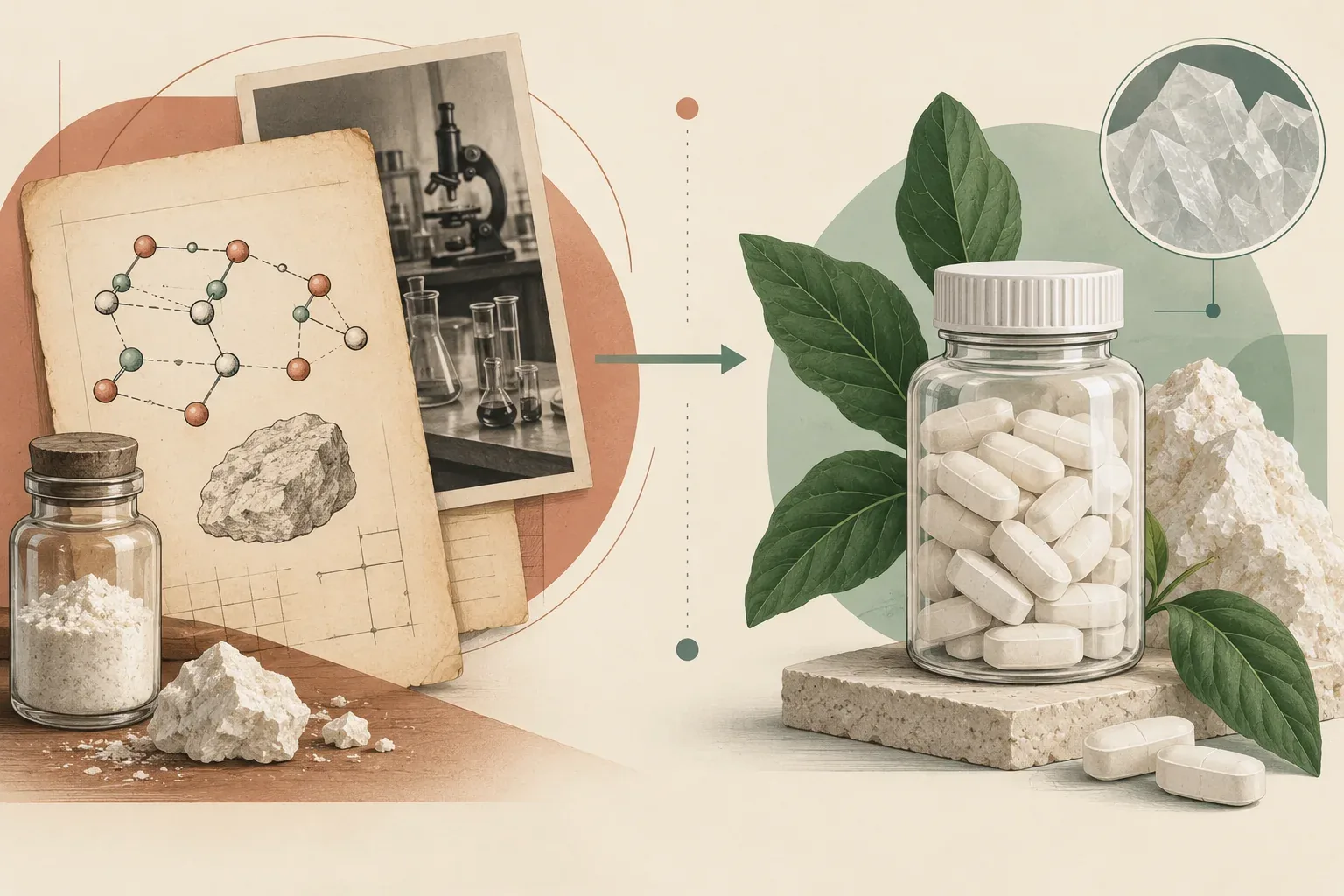
Magnesium glycinate is also called magnesium bisglycinate because each magnesium ion is paired with two molecules of the amino acid glycine. Malate pairs it with malic acid. On a US Supplement Facts panel, a serving labeled Magnesium 100 mg supplies 100 mg of elemental magnesium whether the source is glycinate or malate [3].
| Example label | Magnesium in one pill |
|---|---|
| Pure Encapsulations Magnesium (glycinate), one capsule | 120 mg |
| NOW Magnesium Malate 1,000 mg, one tablet | 115 mg |
The “1,000 mg” on the NOW bottle includes the malate. The tablet actually supplies 5 mg less magnesium than the glycinate capsule in this comparison [4], [5].
Which form has evidence for sleep or muscle pain?
For sleep, 155 adults who reported sleeping poorly took magnesium bisglycinate or placebo. After four weeks, insomnia scores fell by 3.9 points with 250 mg of elemental magnesium a day and by 2.3 points with placebo. That’s a modest 1.6-point advantage on a 28-point scale. The comparison was with placebo, so whether malate would work as well for sleep is still open [6].
For muscle pain, the small fibromyalgia study often cited for malate tested a tablet containing magnesium and malic acid. When 24 patients were assigned to take the combination and placebo in turn, the fixed-dose comparison showed no clear pain benefit. Pain improved later when participants knew what they were taking and could increase the dose. That makes pain relief a weak reason to pay extra for malate [2].
Can I take magnesium glycinate and magnesium malate in the same day?
Yes. Add the elemental magnesium from both servings. One of each pill in the table gives you 235 mg (120 + 115). Two glycinate capsules and one malate tablet would give you 355 mg, just above the US adult upper limit of 350 mg per day from supplements and medicines. Magnesium in food is excluded from that limit. Higher supplemental amounts can cause diarrhea. If you have impaired kidney function, ask your clinician about your dose because your kidneys may have trouble clearing magnesium [3].
Help us improve this article
Spotted an error or found a source we should consider? Tell us which part of this article needs another look and include a link if you have one. Please leave out personal health details and lab results; we can’t answer individual medical questions.
More about magnesium




Nutrient connections worth understanding
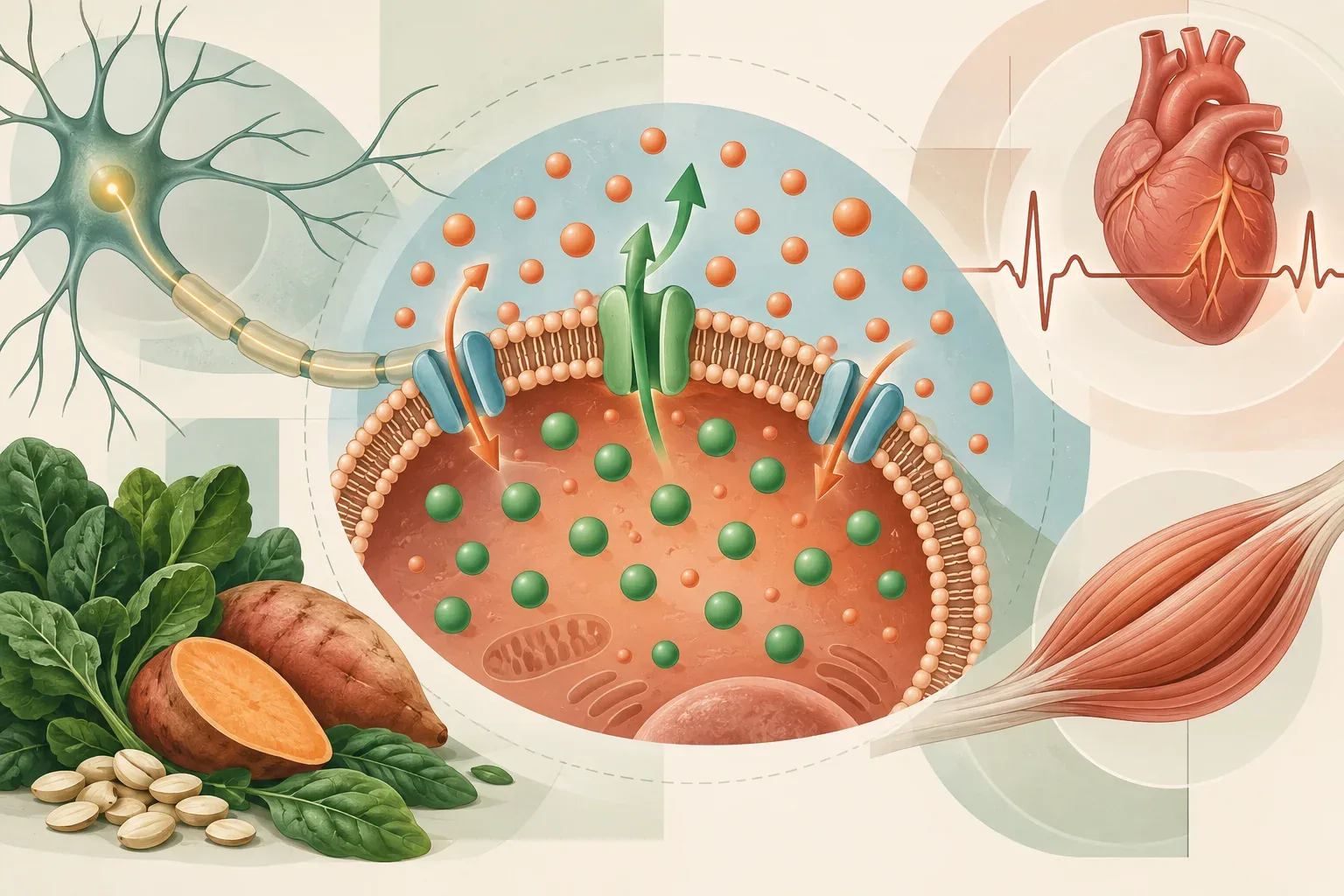 Nutrient balance
Potassium: Food, Supplement Amounts and When to Seek Advice
Connection details
Context: hypomagnesemia with low potassium
Hypomagnesemia makes low potassium hard to fix.
Source for this connection
 Nutrient use · Disputed pairing
Vitamin D
Connection details
Context: vitamin D enzymes
Vitamin D enzymes use magnesium.
Source for this connectionContext: D fails if magnesium is low
That is not the same sentence as D fails if magnesium is low. A D3 capsule can still raise 25-hydroxyvitamin D.
Source for this connection