
Chronic conditions
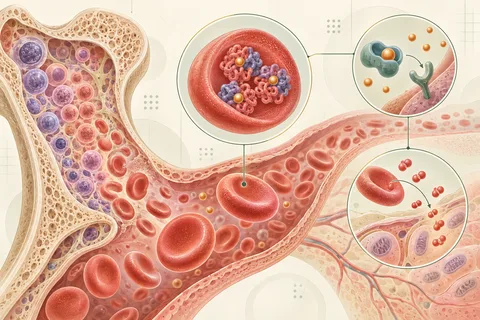 Anemia6 topics
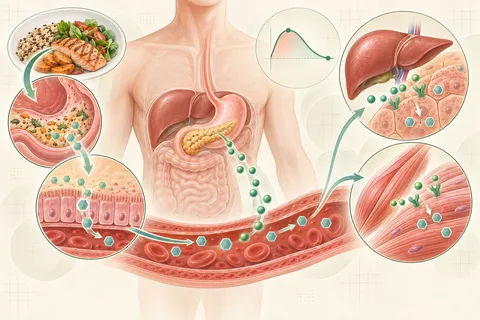 Blood sugar26 topics
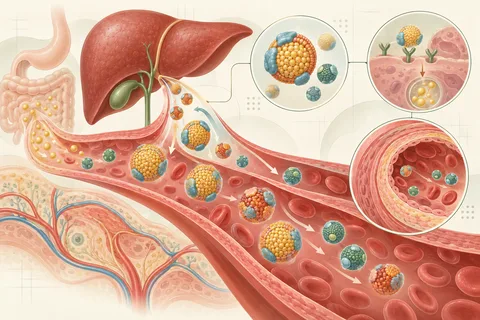 Cholesterol & blood fats14 topics
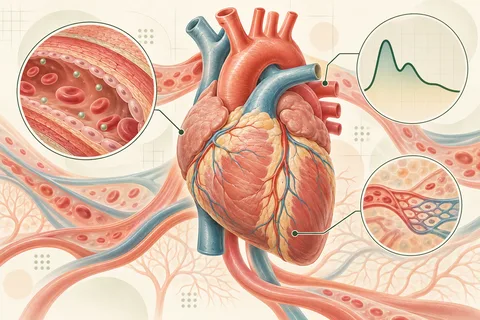 Heart & blood pressure30 topics
 Inflammation2 topics
 Liver6 topics
 Migraine4 topics
 Nerves9 topics
 Thyroid3 topics
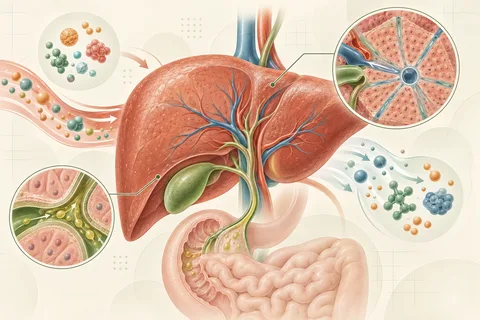
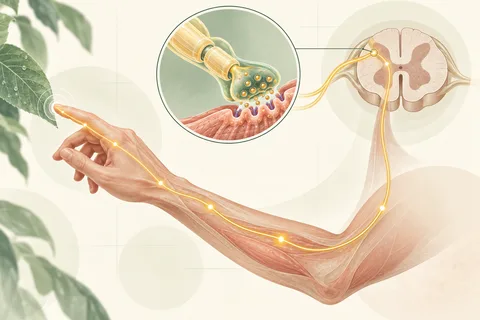
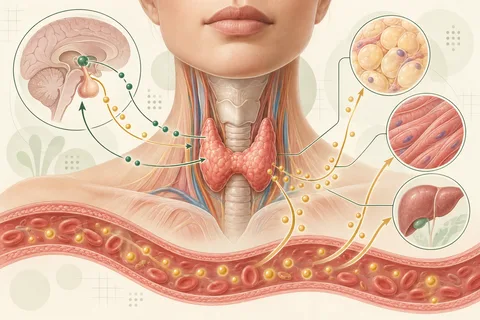
Chronic conditions are health problems that continue over time and may require ongoing monitoring, treatment, or changes to daily life. This group includes diagnosed conditions such as anemia and migraine, measurable risk areas such as blood sugar, cholesterol, and blood pressure, and organ or body-system topics involving the liver, thyroid, and nerves. Inflammation appears here because it is often discussed in connection with long-term illness, although inflammation itself is a normal biological process rather than a disease. There are multiple supplements sold or studied for these conditions, but there are also plenty of misleading labels and research findings that are taken out of context in supplement marketing.
Sources: CDC: About chronic diseases.
Digestive health
 Detox claims
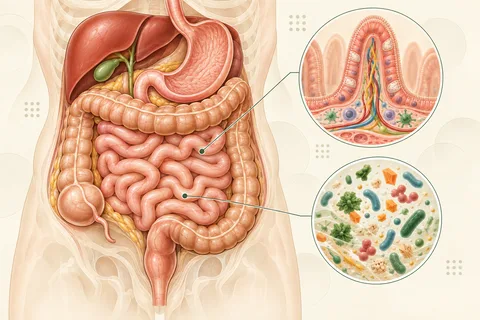 Gut & digestion
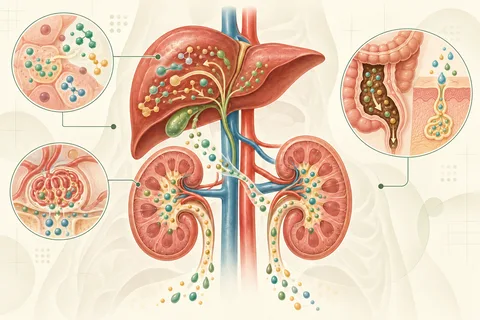
Digestive health covers supplements connected to how food moves through the gastrointestinal tract, how it is broken down, how nutrients and water are absorbed, and how waste is formed and passed. The organs involved include the mouth, stomach, intestines, pancreas, liver, and gallbladder, while the gut microbiome adds another layer of organisms and metabolic activity. We also include “detox” claims because many products use the language of cleansing, elimination, or liver support.
Products in this group include fibers, probiotics, postbiotics, enzymes, and compounds connected to the liver or gut. They are often sold under the same broad “gut health” label, even though they do very different things.
Exercise & weight management
Blood sugar26 topics
 Electrolytes & hydration3 topics
 Energy & fatigue19 topics
 Exercise & muscle36 topics
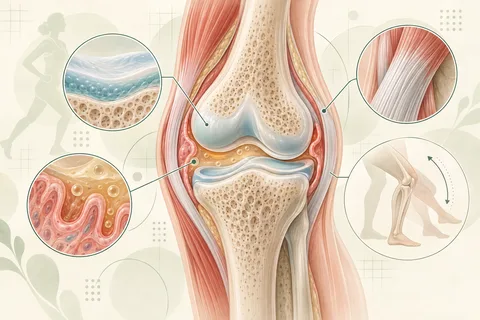 Joints9 topics
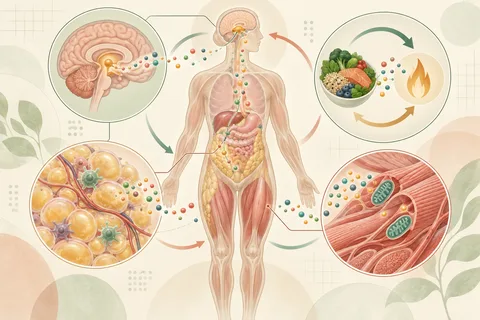 Weight14 topics
Exercise and weight management supplements often have very attractive product labels, but the advertising is often misleading. Exercise research may measure strength, power, endurance, training volume, soreness, recovery, hydration, or changes in muscle during the use of certain compounds. Weight research may measure body weight, fat mass, waist size, appetite, or the ability to maintain a change. Energy and fatigue can refer to exercise performance, everyday tiredness, or a diagnosed deficiency. A product can affect one or more of these measurements without improving the rest. “Performance,” “recovery,” and “weight support” are bold claims, so it is important to understand exactly how and why a supplement may work and which manufacturer claims are actually likely to be true.
General wellness
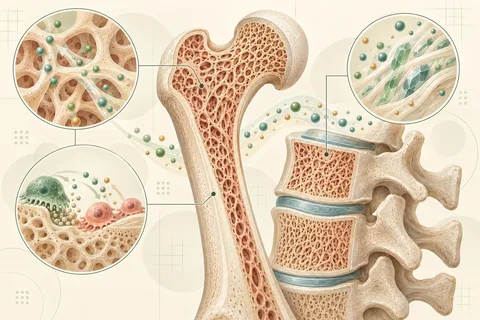 Bones10 topics
Electrolytes & hydration3 topics
Energy & fatigue19 topics
 Eyes & vision4 topics
 Fertility3 topics
 Healthy aging9 topics
 Hormones & libido17 topics
 Immunity & colds26 topics
Inflammation2 topics
Joints9 topics
 Periods & menopause3 topics
 Skin, hair & nails14 topics
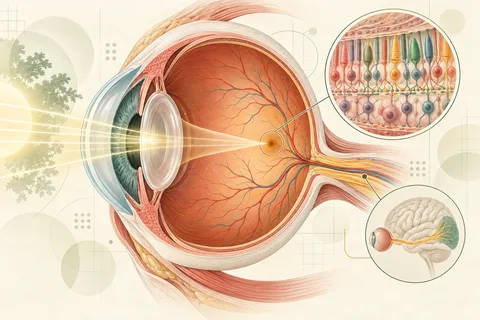
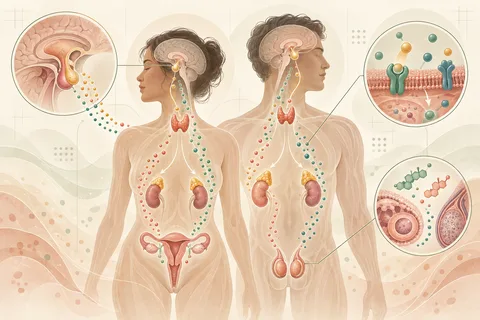
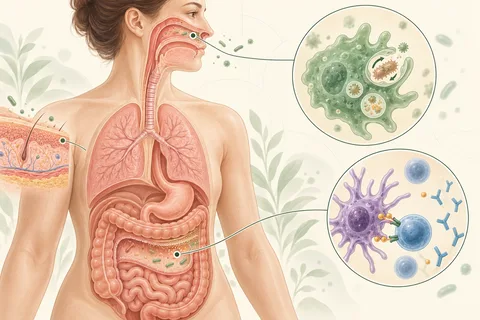
General wellness is the broadest category of supplements. It covers goals such as bone and eye health, immunity, fertility, healthy aging, hormones, joints, skin, hair, nails, menstrual or menopause symptoms, hydration, and everyday energy. Because these goals are broad, it is even more important to understand the evidence and the mechanisms at work. “Supports immunity,” “healthy aging,” or “hormone balance” can cover many possible biomarkers and outcomes.
These labels can sound useful while saying very little about what the product contains, what the ingredients do, and what is expected to change. A supplement might correct a nutrient deficiency, change one blood marker, or help one symptom without improving overall wellness. We look at the specific ingredients, forms, doses, and the results promised by each claim.
Sources: NIH ODS: What you need to know about dietary supplements.
Mental health
 Anxiety12 topics
 Focus & memory29 topics
 Mood16 topics
Nerves9 topics
 Sleep27 topics
 Stress11 topics
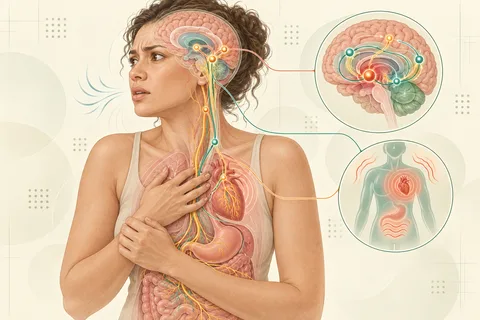
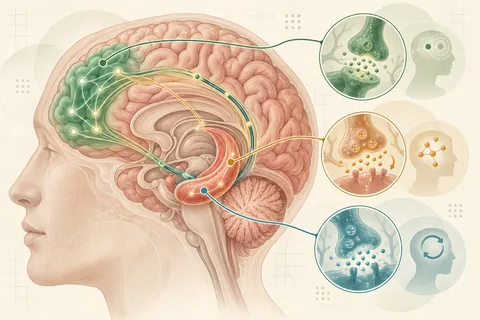
Mental health supplements include supplements marketed for anxiety, mood support, stress reduction, sleep, focus, memory, and some nerve-related conditions. Stress can disturb sleep; poor sleep can affect concentration and mood; anxiety can include physical and cognitive symptoms; and nerve symptoms can arise from nutritional, neurological, metabolic, medication-related, or other underlying causes that need an approach that goes deeper than trying a supplement.
Research in this area may measure a questionnaire score, sleep timing, attention, or one specific symptom. A change in one measure does not prove that a supplement treats a mental health condition as a whole. Some products can also cause drowsiness or stimulation, or interact with medicines and alcohol. We separate short-term symptoms from diagnosed conditions and show where supplements may play a limited role alongside proper evaluation and care. We also take an in-depth look at how well these supplements work on their own.
Sources: NIMH: Caring for your mental health.