
How do NMN and nicotinamide riboside differ?
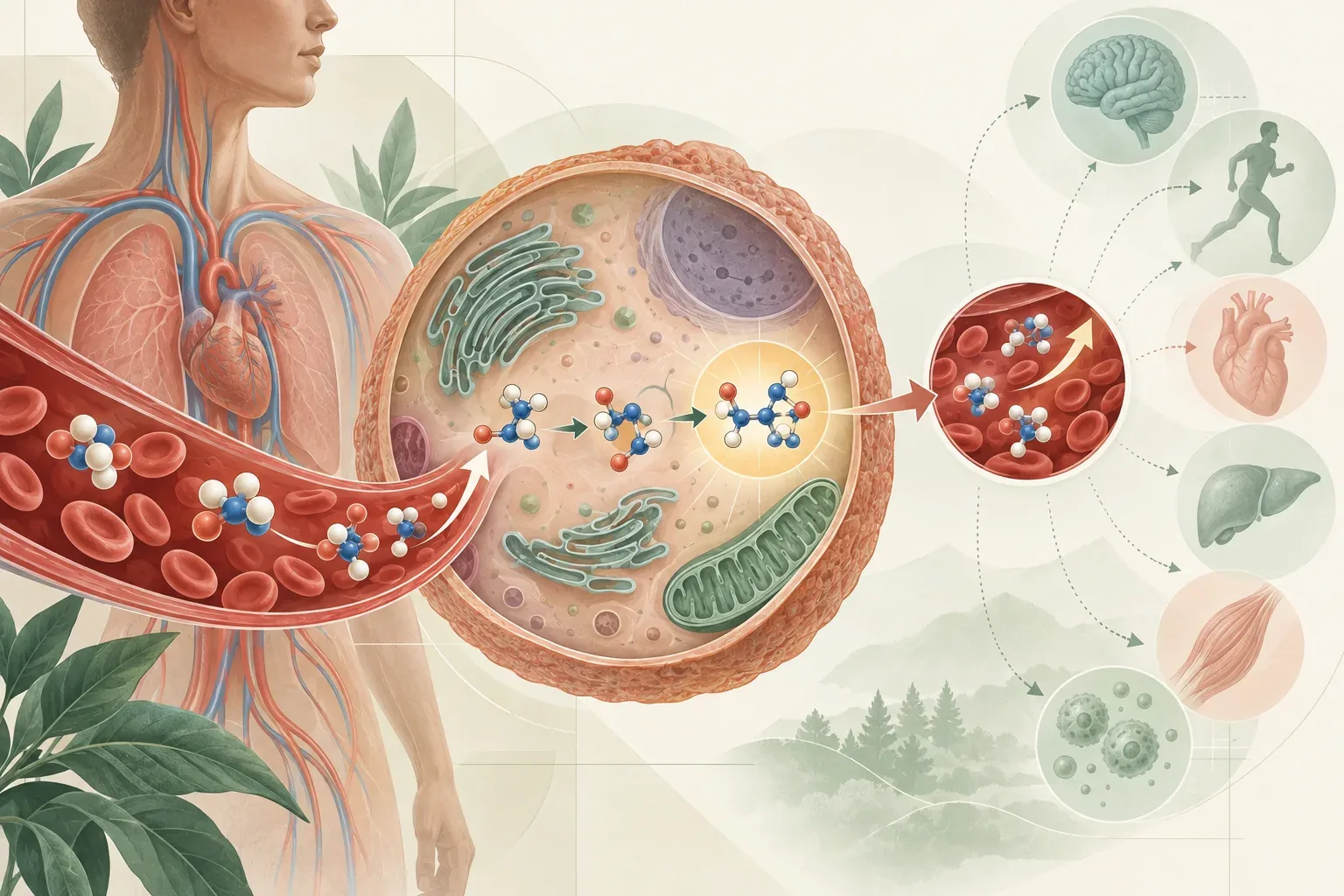
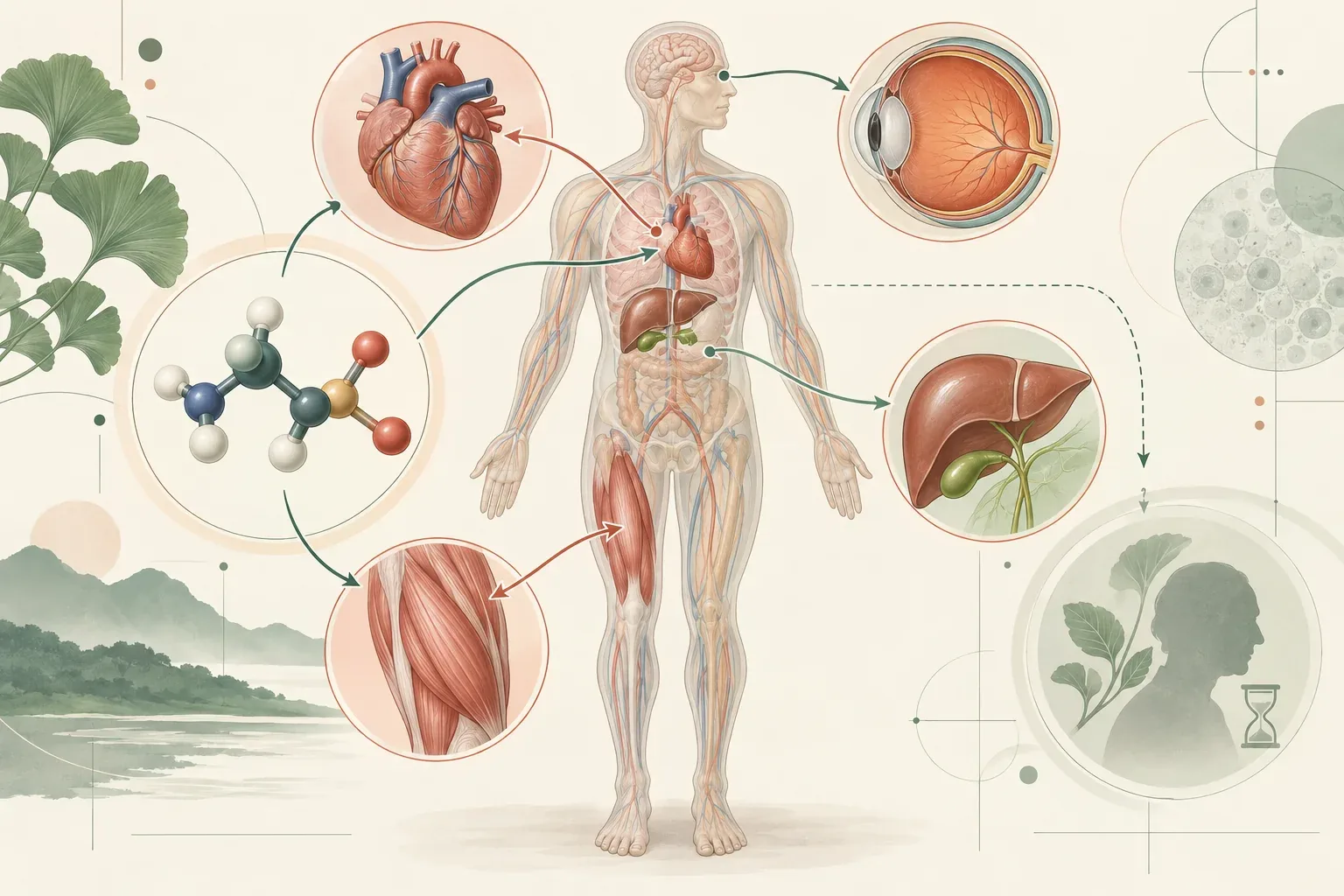
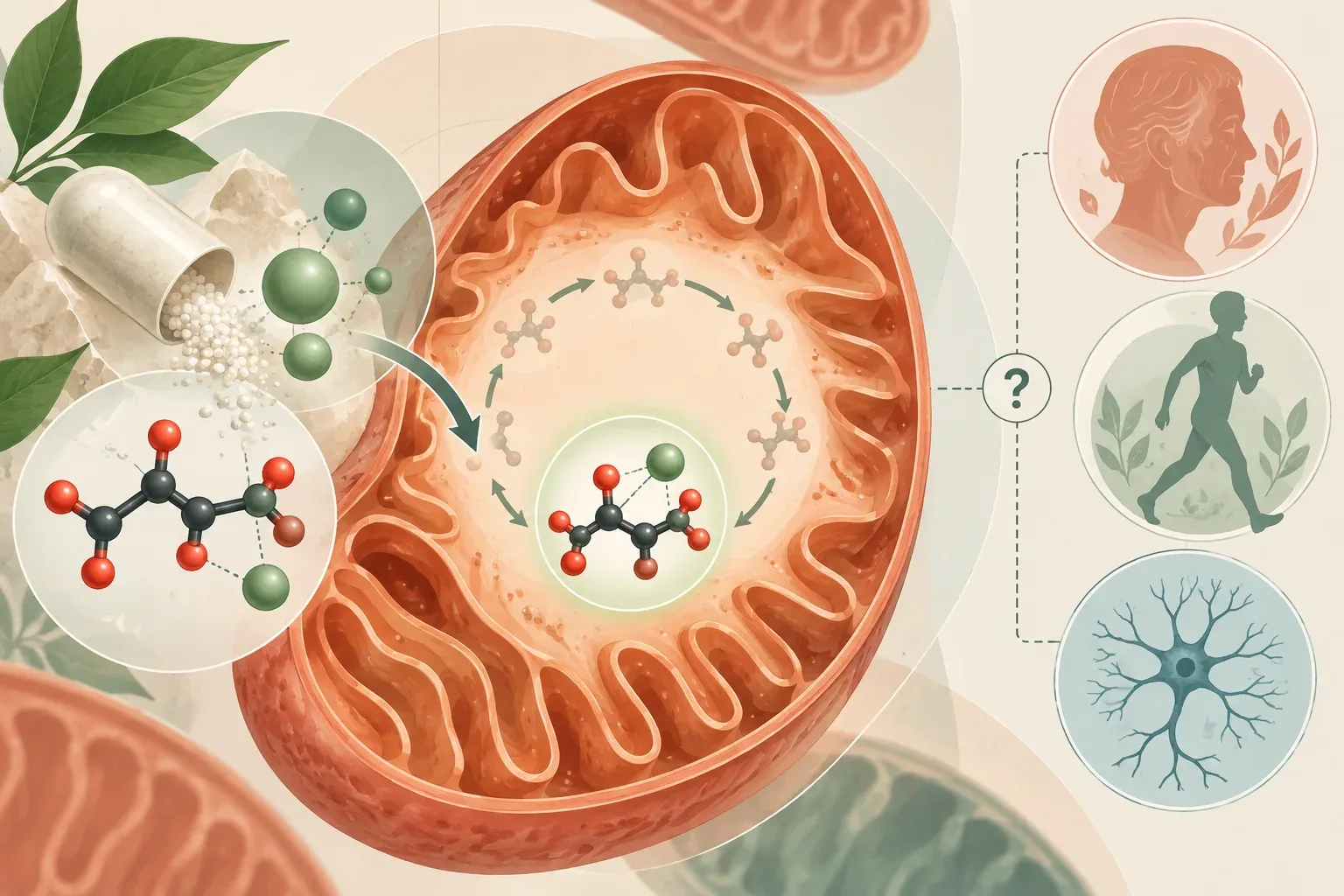
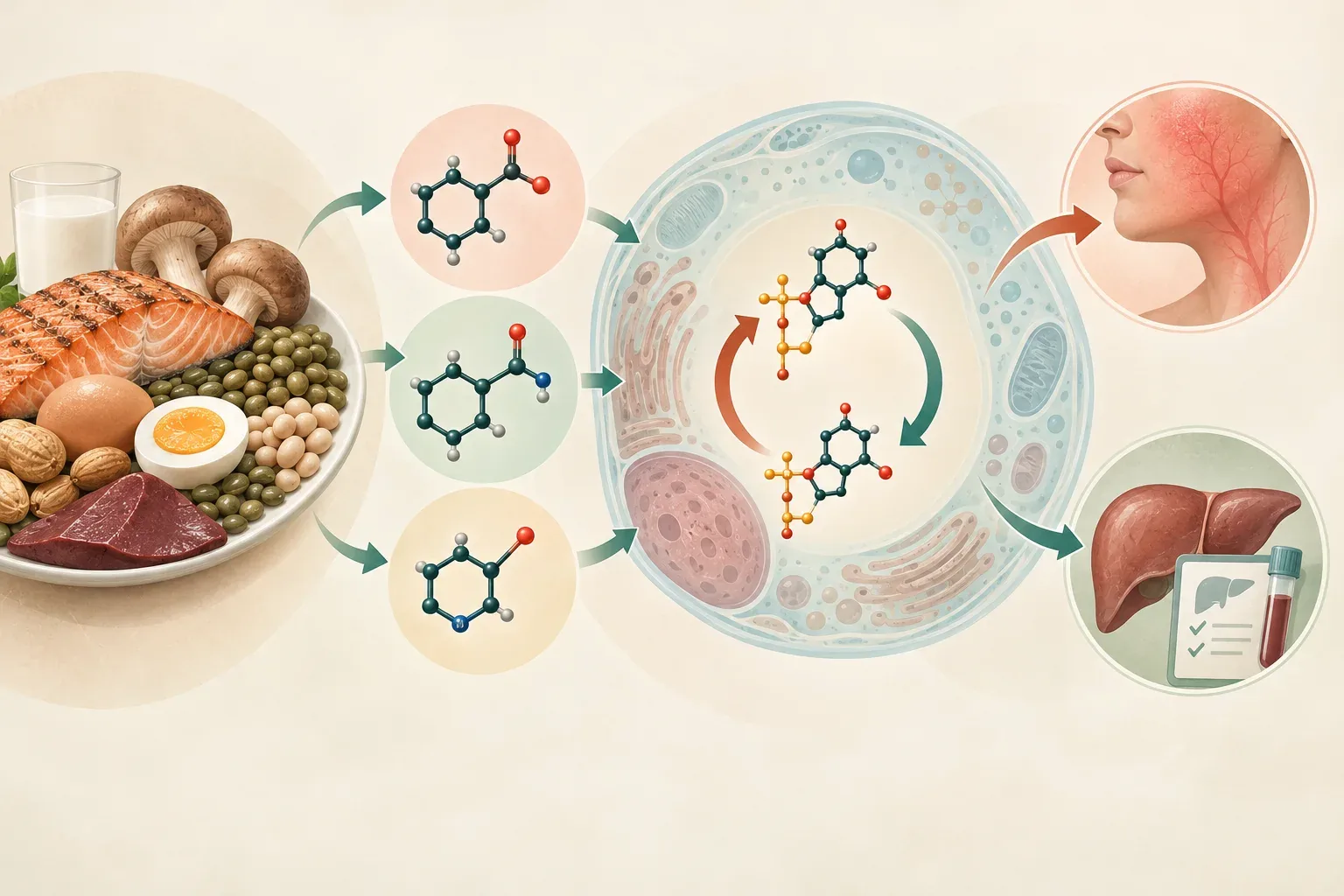
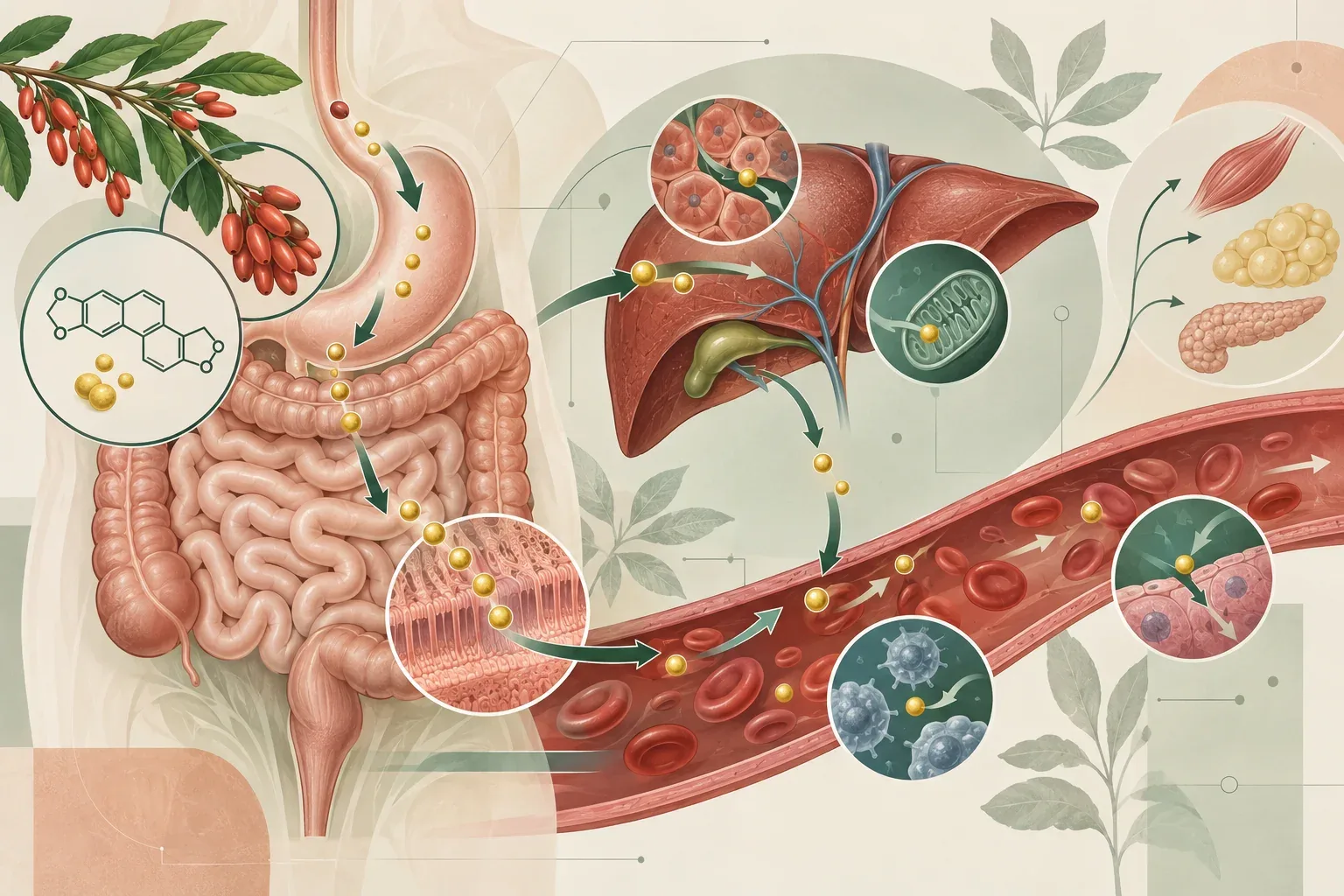
Nicotinamide riboside (NR) and nicotinamide mononucleotide (NMN) are ingredients your body can use to make NAD+, a molecule cells need to release energy from food. The chemical difference is one phosphate group. A cell can attach it to NR to make NMN, then use NMN to make NAD+. On a bottle, “nicotinamide riboside chloride” identifies the salt form of NR [3], [4].
Which raises blood NAD+ more?
In a randomized study with 65 healthy adults in the analysis, participants took NR, NMN, nicotinamide or a placebo for 14 days. The NR and NMN groups each took 1,000 mg daily. By day 14, whole-blood NAD+ levels had roughly doubled with either supplement. Compared with placebo, the increase was about 49 micromoles per liter with NR and 43 with NMN. The researchers judged the effects comparable [3].
Does either help you stay strong or walk farther as you age?
For strength, a review of trials in older adults found that people assigned to NMN had no clear improvement in handgrip strength over placebo. The same review found no clear handgrip benefit with NR after three weeks in older adults living independently or after ten weeks in adults with mild cognitive impairment.
For walking speed, results have been mixed. One review found a small improvement with NMN, while another found no clear benefit when it combined four walking-speed trials [5], [2].
For walking distance, one promising NR result came from people with peripheral artery disease, which restricts blood flow to the legs. After six months, the change in six-minute walking distance favored NR over placebo by about 18 meters [6].
Help us improve this article
Spotted an error or found a source we should consider? Tell us which part of this article needs another look and include a link if you have one. Please leave out personal health details and lab results; we can’t answer individual medical questions.