
What is vitamin E?
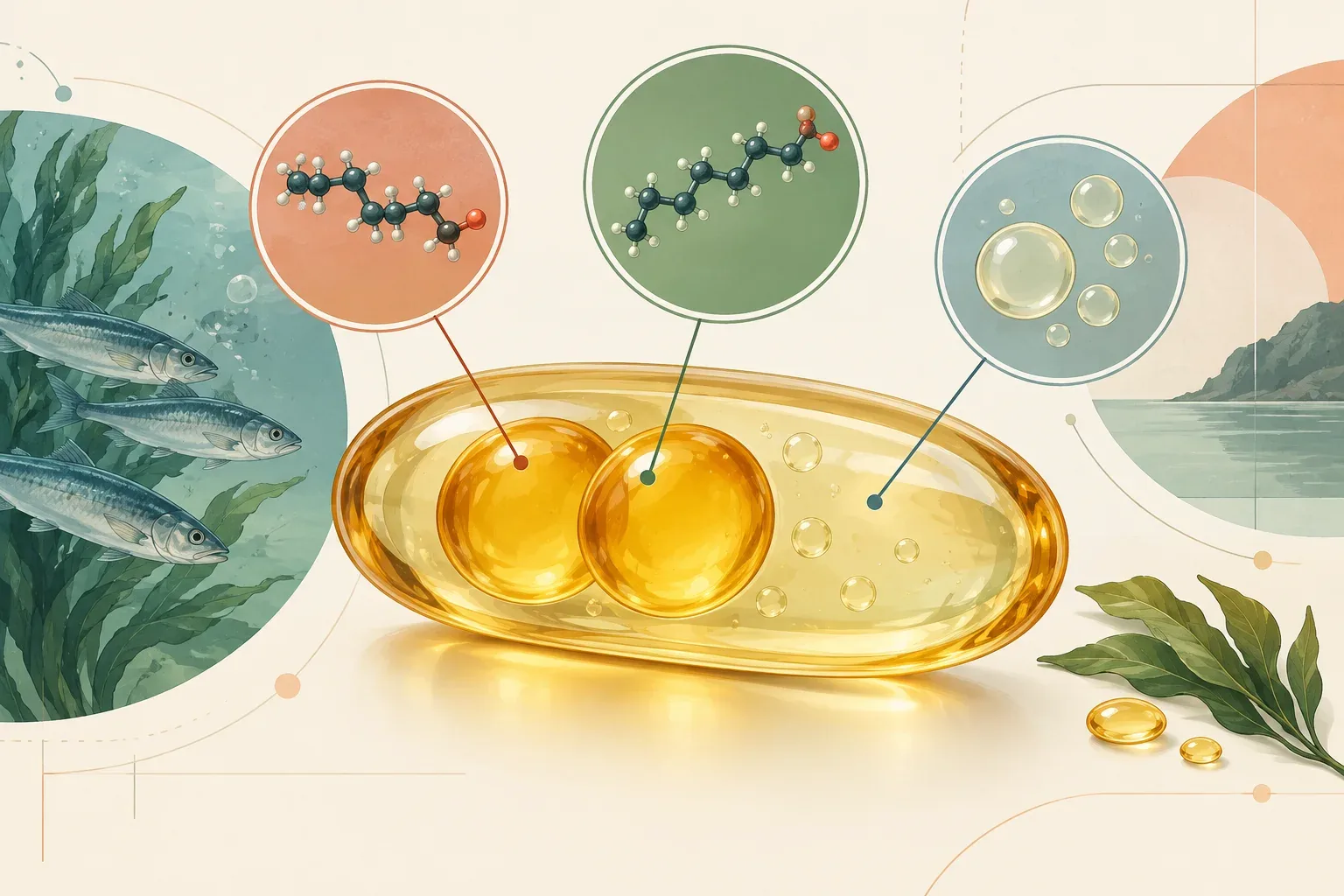
Vitamin E is a family of fat-soluble compounds found in plant oils, nuts, seeds, and smaller amounts in some vegetables. The member used for the U.S. daily amount is alpha-tocopherol. Natural RRR-alpha-tocopherol, formerly written as d-alpha, counts fully. Synthetic all-rac-alpha-tocopherol, formerly written as dl-alpha, is a mixture of eight molecular arrangements, and only half of them count; current U.S. label milligrams account for that difference.
Supplements also contain alpha-tocopheryl acetate or succinate, mixed tocopherols, and tocotrienols. The acetate and succinate forms are stable sources of alpha-tocopherol.
People take vitamin E to correct a deficiency or fill a dietary gap. They also take high-dose products that promise heart protection, cancer prevention, prostate protection, or a longer life. The prevention trials did not produce a general reason to take a high-dose product. Separate trials in steatohepatitis—fat-related liver inflammation and injury—and Alzheimer disease found specific treatment benefits, with limits that matter for the form and patient.
The short version
- Unit: Current U.S. labels declare milligrams of alpha-tocopherol. International units, abbreviated IU, appear on older labels and in older trials; the conversion depends on whether the source is natural or synthetic.
- Reasonable starting point: Count food and any multivitamin against the 15 mg adult daily amount before adding a dedicated product. A clinician may choose a different form and amount for diagnosed deficiency or fat malabsorption.
- Skip: an IU claim that does not identify natural or synthetic vitamin E, a blend that hides its alpha-tocopherol amount, or a tocotrienol total presented as though it supplies the alpha-tocopherol daily amount.
| Form on the market | Amount to read | What that number can tell you |
|---|---|---|
| RRR/d-alpha-tocopherol | Milligrams of vitamin E | Natural alpha-tocopherol that counts toward the daily amount |
| All-rac/dl-alpha-tocopherol | Milligrams of vitamin E | Declared synthetic alpha-tocopherol activity |
| Mixed tocopherols | Alpha-tocopherol listed separately from the blend | The blend total does not reveal how much counts toward 15 mg |
| Tocotrienols | Milligrams of named tocotrienols or a quantified complex | A separate family amount with no official IU or daily-value conversion |
What vitamin E does in your body
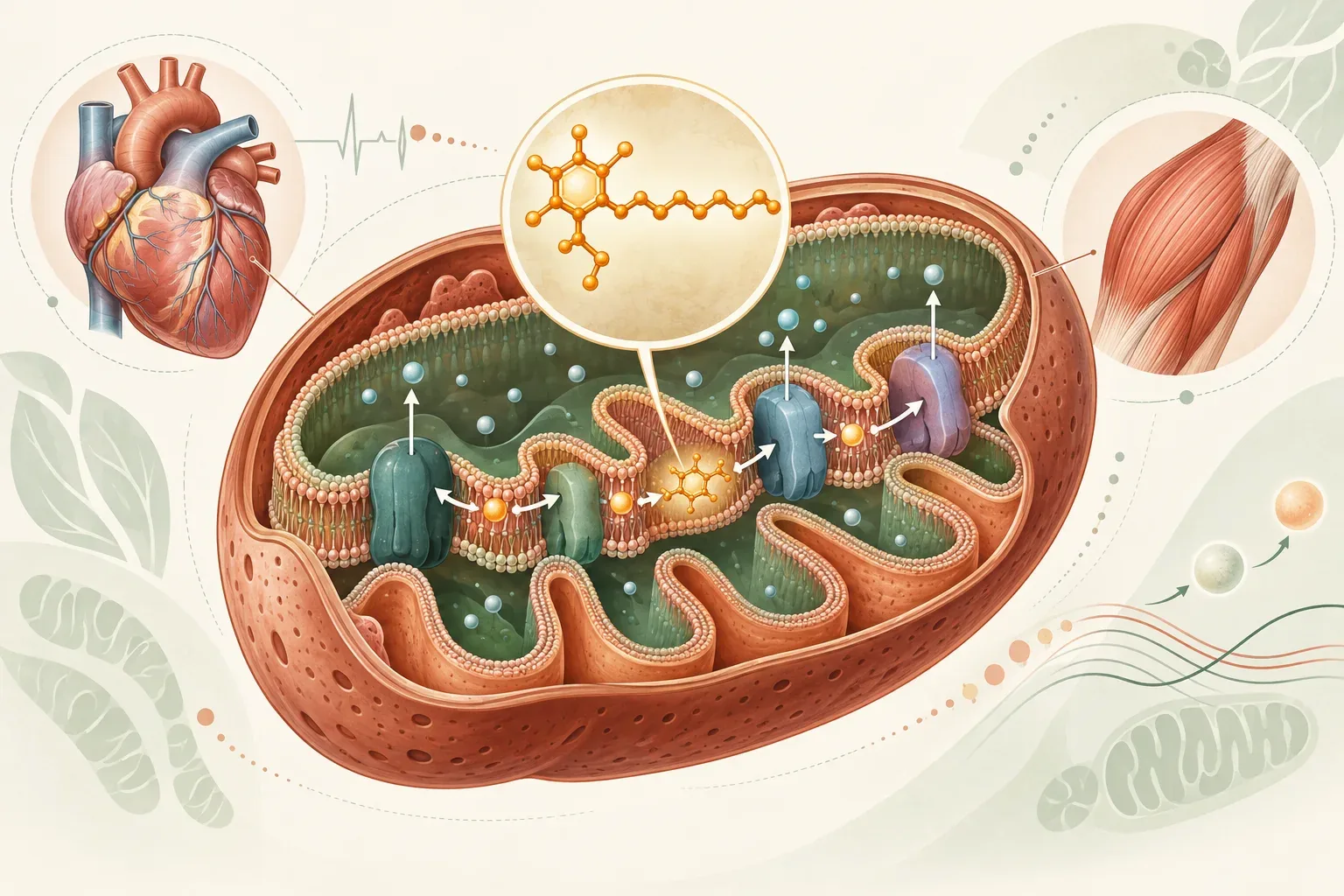
Vitamin E helps protect the fats in cell membranes from oxidation. A reactive molecule can start a chain reaction in membrane fats; alpha-tocopherol can interrupt that chain by donating an electron. Other parts of the body's antioxidant system help maintain this protection.
Because vitamin E is fat-soluble, it is absorbed and transported with fats. A liver protein preferentially retains and redistributes alpha-tocopherol molecules with a molecular arrangement called 2R, which includes the natural form, while other arrangements and other vitamin E forms are removed more readily. That is why this form is used for the human nutritional requirement even though foods contain several vitamin E compounds.
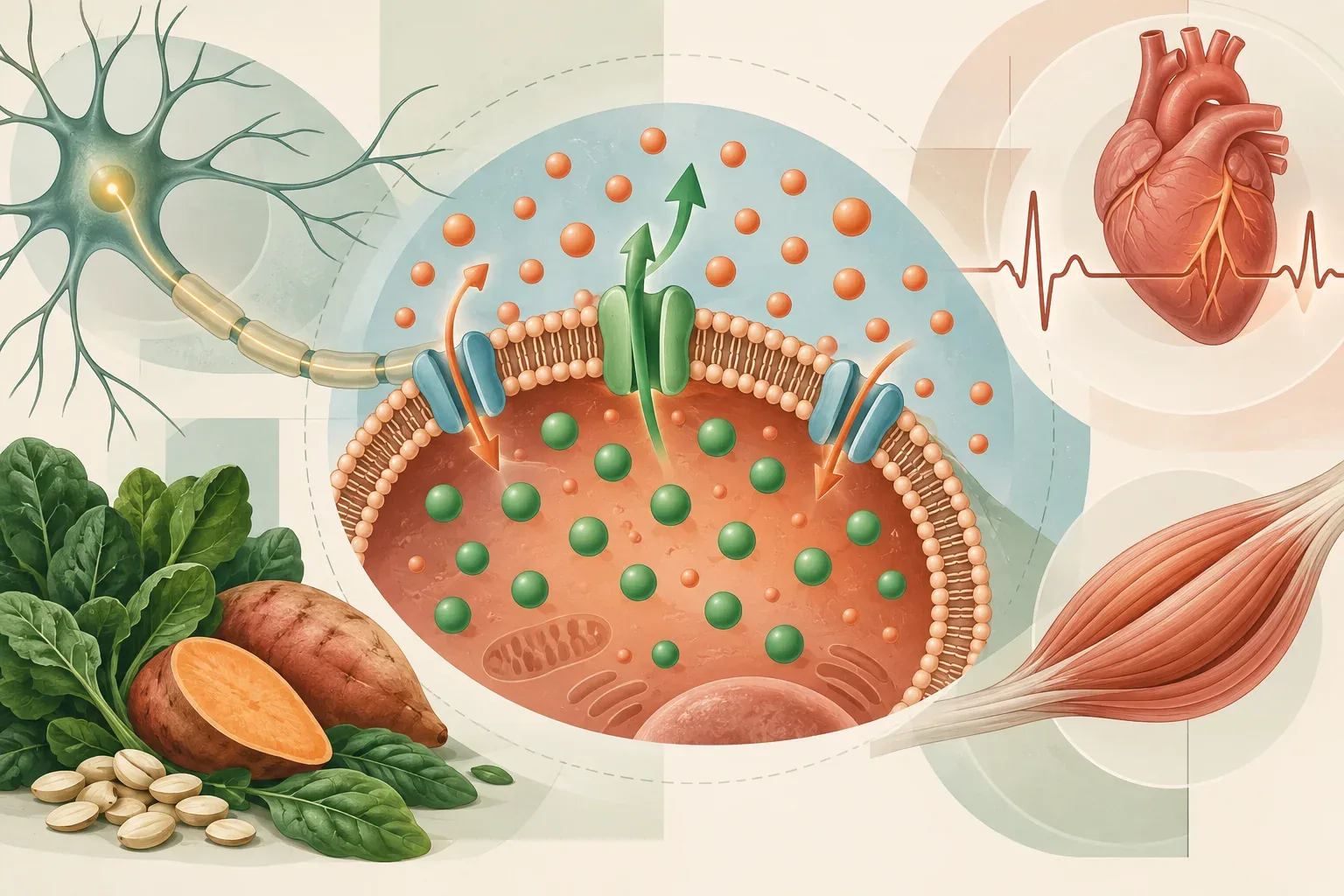
Maintaining membranes matters in many tissues, including nerves and muscles. The prevention trials discussed later tested whether supplements improve disease outcomes. [1]
What people take vitamin E for
| Claimed benefit | Dose / form studied | Research verdict | Evidence strength |
|---|---|---|---|
| Correcting deficiency | Cause-specific alpha-tocopherol treatment; dose, preparation and duration depend on absorption and diagnosis. | Essential nutrition and deficiency treatment do not establish a high-dose prevention benefit. | Strong |
| Preventing prostate cancer | Synthetic alpha-tocopheryl acetate: historical 50 mg/day in Finnish male smokers aged 50–69 for a median 6.1 years (ATBC); 400 IU (180 mg alpha-tocopherol)/day in relatively healthy men with about seven years of follow-up (SELECT). | A secondary ATBC benefit contrasts with SELECT harm; this does not establish a protective low dose. | Moderate |
| Heart or cancer protection from tocotrienols | No established clinical-prevention dose; the reviewed products and biomarker-study durations varied. | Marker findings have not established fewer major disease events. | Insufficient |
| Steatohepatitis in adults without diabetes | Natural RRR-alpha-tocopherol 800 IU/day for 96 weeks. | Biopsy improvement favored vitamin E; fibrosis improvement did not. | Limited; selected patients |
| Daily function in Alzheimer disease | Synthetic DL-alpha-tocopheryl acetate 2,000 IU/day with existing treatment; mean 2.27 years. | Daily-function decline was slower; adjusted cognitive comparisons were not significant. | Limited; treatment-specific |
Most healthy adults should not start a dedicated high-dose vitamin E product for heart, cancer, prostate, or longevity prevention. First count food and the alpha-tocopherol already present in a multivitamin if you're taking one.
A supplement may be reasonable when your doctor identifies a deficiency, confirms a sustained dietary shortfall, or treats a condition that prevents normal fat absorption. That kind of condition can require a special formulation and monitoring, not simply a larger retail dose.
When to ask a doctor before taking
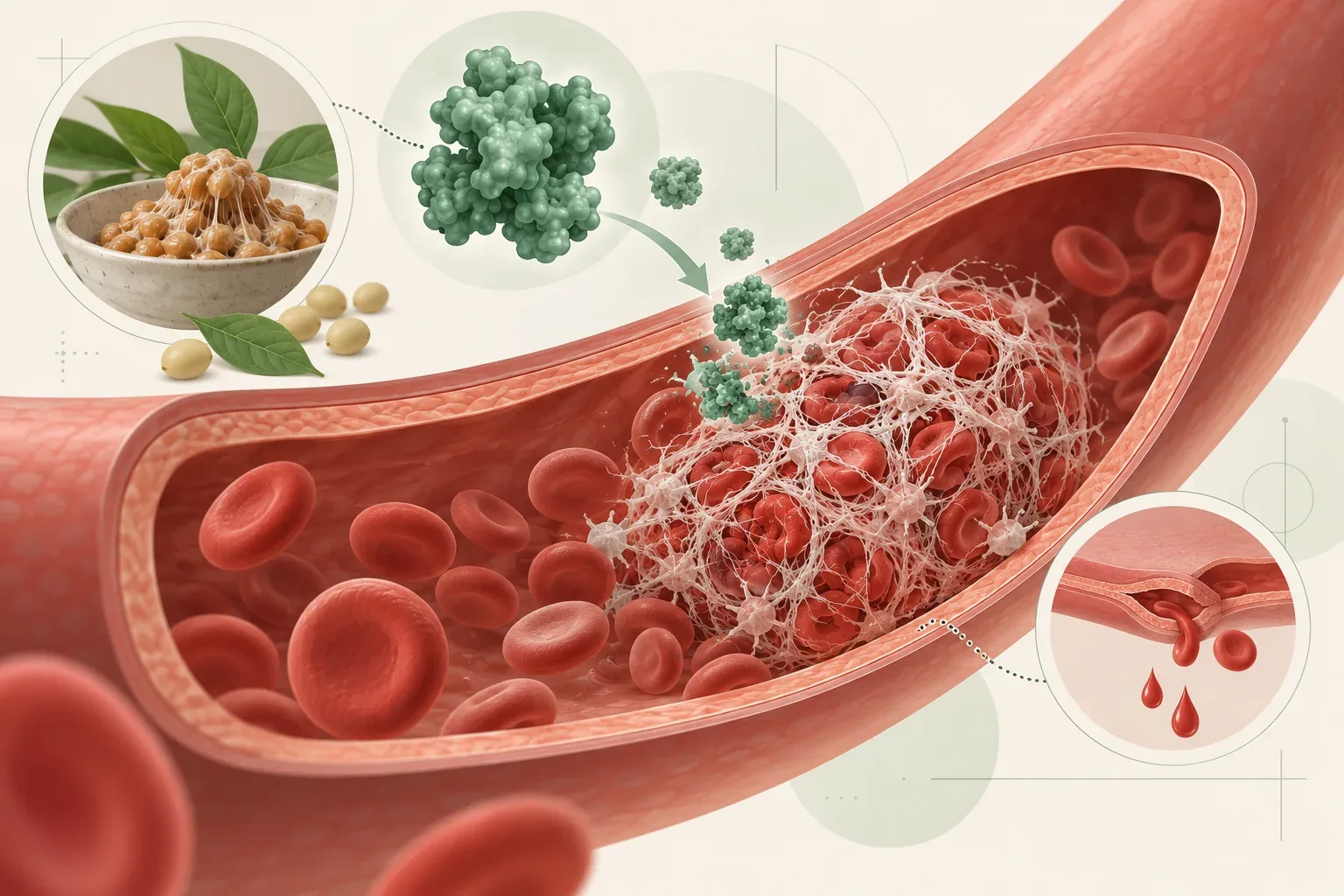
Ask before adding a dedicated product if you take warfarin, another anticoagulant, or an antiplatelet drug; have a bleeding disorder; or receive chemotherapy or radiation. High-dose vitamin E can add to bleeding risk, and taking it at a different hour from warfarin does not resolve the interaction.
Tell your surgical team about every supplement you take. The team should set any stop date before a procedure because the right timing depends on the operation, your medicines, and your clotting risk.
Common dosage
The standard daily amount is 15 mg of alpha-tocopherol from food and supplements, not a standard dose for a dedicated product. The National Academies recommend that amount for adults and adolescents age 14 and older. Pregnancy remains 15 mg, while breastfeeding raises the amount to 19 mg. Infants use separate estimated intake levels, so the 15 mg figure does not apply to them.
The official upper limit from the National Academies is 1,000 mg a day of supplemental alpha-tocopherol for adults. It applies to supplements and fortified foods, not the vitamin E naturally present in food. It is a ceiling, not a target or a promise that every lower dose is harmless. The upper limit counts all synthetic alpha-tocopherol stereoisomers, whereas current labels count only the forms recognized toward the vitamin E requirement. NIH therefore gives the adult limit as about 1,500 IU of natural vitamin E or 1,100 IU of synthetic vitamin E. Do not use the label-conversion factor below to turn that limit into 2,200 synthetic IU.
When to take it and what affects absorption
Take vitamin E with a meal containing some fat; morning versus evening is not the deciding variable. There is no single absorption percentage that applies to every food, formulation or person. A label tells you the amount supplied, not exactly how much will reach your blood.
Fat-malabsorption disorders can prevent ordinary food or capsules from correcting low status. Meal timing may not solve that problem; a doctor may choose a water-soluble formulation and monitor the response. [1]
Am I getting enough vitamin E from food?
You may be able to reach 15 mg of alpha-tocopherol through food, especially if your diet regularly includes plant oils, seeds, and nuts. Wheat-germ, sunflower, safflower, and other plant oils are concentrated sources. Sunflower seeds, almonds, hazelnuts, peanuts or peanut butter, spinach, and broccoli contribute varying amounts.
Selected values from the NIH Office of Dietary Supplements food table[1] show the stated food and preparation.
| Food and preparation | Source | Serving | Alpha-tocopherol (mg) |
|---|---|---|---|
| Wheat germ oil | Plant | 1 tbsp | 20.3 mg |
| Sunflower seeds, dry-roasted | Plant | 1 oz (about 28 g) | 7.4 mg |
| Almonds, dry-roasted | Plant | 1 oz (about 28 g) | 6.8 mg |
| Sunflower oil | Plant | 1 tbsp | 5.6 mg |
| Hazelnuts, dry-roasted | Plant | 1 oz (about 28 g) | 4.3 mg |
| Peanut butter | Plant | 2 tbsp | 2.9 mg |
Food composition changes with the oil, processing, and serving size, so count the foods you actually eat rather than assuming any “healthy fat” covers the full amount.
If your intake is low because fat absorption is impaired, adding more ordinary oil-soluble food or capsules may not solve the problem. That is a reason for clinical assessment of the cause, formulation, and blood result.
How can I tell if I'm low on vitamin E?
Overt vitamin E deficiency is rare, and NIH notes that it has not been found simply from low dietary intake in otherwise healthy people. Significant fat malabsorption or an inherited problem transporting vitamin E makes deficiency more plausible.
Signs of clinically important deficiency
Nerve damage can cause altered sensation and poor coordination. Muscle weakness, retinal damage affecting vision, anemia and impaired immune function are also recognized findings. [1]
Severe or prolonged deficiency
In severe inherited deficiency, nerve damage can progress to loss of walking ability. Unexplained balance, nerve, muscle or vision problems need assessment before trying to treat them with a vitamin E product. These clinical syndromes do not provide a reliable checklist for diagnosing minor or moderate dietary shortfalls.
Testing and interpretation
For more information about testing for vitamin E, see the lab tests and preparation details near the end of this article.
Vitamin E forms you can buy
Labels use natural or synthetic alpha-tocopherol, stable acetate or succinate versions, mixed tocopherols, tocotrienols, and the water-soluble form tocophersolan. Alpha-tocopherol supplies the daily nutritional amount. Mixed tocopherols and tocotrienols have not established additional health-outcome benefits. Tocophersolan is an option a clinician may choose for malabsorption.
Vitamin E forms covered here and where they fit
Check which form supplies nutritional alpha-tocopherol, how much the label declares, and whether a special formulation is needed for a diagnosed absorption problem.
| Form | What counts on the label | Where it fits | Main limit |
|---|---|---|---|
| RRR/d-alpha-tocopherol | Declared mg of vitamin E | Alpha-tocopherol adequacy | Better retention per IU does not prove better outcomes |
| RRR alpha-tocopheryl acetate or succinate | Declared mg of vitamin E | Stable oral alpha source | Use the vitamin E milligrams shown; do not recalculate the acetate or succinate |
| All-rac/dl-alpha-tocopherol | Declared mg of vitamin E | Synthetic alpha source | Old IU need the synthetic conversion |
| All-rac alpha-tocopheryl acetate | Declared mg of vitamin E | Clearly labeled synthetic alpha source | Do not use SELECT's high-dose regimen to claim prostate prevention |
| Mixed tocopherols | Separately declared alpha plus blend amount | Additional named tocopherols | Blend total is not alpha-tocopherol equivalence |
| Tocotrienols | Named isomer or quantified complex in mg | Additional clinical benefits remain unestablished | No IU, daily-value, or prevention equivalence |
| Tocophersolan/TPGS | Clinician-selected formulation and amount | Selected malabsorption disorders | Not a default consumer upgrade |
Can you take two vitamin E products the same day?
For the 15 mg nutritional goal, add the vitamin E milligrams shown on current U.S. labels to the amount in your food. The label already adjusts for natural versus synthetic activity.
The 1,000 mg upper limit uses a different basis: all alpha-tocopherol molecules count, including the synthetic arrangements excluded from the nutritional amount. For that calculation, natural-source label milligrams count directly; synthetic-source label milligrams count at roughly twice their declared amount. A synthetic product labeled 180 mg therefore contributes about 360 mg toward that limit. Keep each product's source separate before adding them. If a blend does not disclose the source amounts, its label cannot provide a reliable upper-limit total.
Count added vitamin E from fortified foods and all supplements, including a prenatal, for this ceiling; naturally occurring food vitamin E is excluded. The ceiling is not a stacking target. [1]
What to pay attention to on the label
The declared milligrams of vitamin E and the alpha-tocopherol source decide whether you can compare a product with the 15 mg daily amount. Read the Supplement Facts line and its parenthetical source, not only the front-panel IU claim.
Which number on the label is the amount
Current labels use milligrams. For an older label or a trial reported in IU, identify the source before converting:
- Natural RRR/d-alpha: multiply IU by 0.67 to get milligrams of alpha-tocopherol.
- Synthetic all-rac/dl-alpha: multiply IU by 0.45 to get milligrams of alpha-tocopherol.
That makes 400 IU equal to 268 mg when the source is natural and 180 mg when it is synthetic. If the source is missing, the correct result is “cannot convert,” not an average of the two.
Alpha-tocopheryl acetate and alpha-tocopheryl succinate are ester sources used for stability and are broken down before absorption. The ester name does not create a second amount to calculate: for an oral product, compare the milligrams declared on the Supplement Facts vitamin E line.
Misleading labels
An IU amount with no source
If you're considering buying a product that says “Vitamin E complex, 400 IU” but does not identify RRR/d-alpha or all-rac/dl-alpha, you cannot tell whether that means 268 mg or 180 mg of alpha-tocopherol.
A blend total presented as the daily amount
A label may list “mixed tocopherols, 200 mg” or “tocotrienol complex, 300 mg.” Those are amounts of the stated mixtures. They do not reveal an alpha-tocopherol amount, and neither has an official conversion to the 15 mg daily amount.
Prevention claims and historical trial doses
Trial doses need their original units and context. ATBC's protocol called its synthetic alpha-tocopheryl-acetate dose 50 mg under a historical convention that equated it with 50 IU; today's synthetic conversion puts 50 IU at about 22.5 mg of nutritional alpha-tocopherol. SELECT used 400 IU daily, or 180 mg on today's label basis.
ATBC's secondary prostate finding was favorable, while SELECT found more prostate cancers. The trials do not establish a general prevention dose. A heart, cancer, prostate or longevity promise therefore needs evidence matching the product's form, dose and intended users; a large IU number or antioxidant mechanism does not supply that evidence.
How long should I take vitamin E supplements for?
For most readers, the target is a continuing dietary supply of alpha-tocopherol, not a high-dose course to build stores. If food later covers the daily amount, a separate nutrition-level supplement can be stopped without a staged taper. A fat-malabsorption disorder or documented deficiency needs individualized treatment and follow-up because the ordinary pill may not absorb adequately. NIH's vitamin E review[1] does not give a reliable general depletion interval or maintenance frequency after treatment.
How vitamin E interacts with vitamin A
Vitamin A
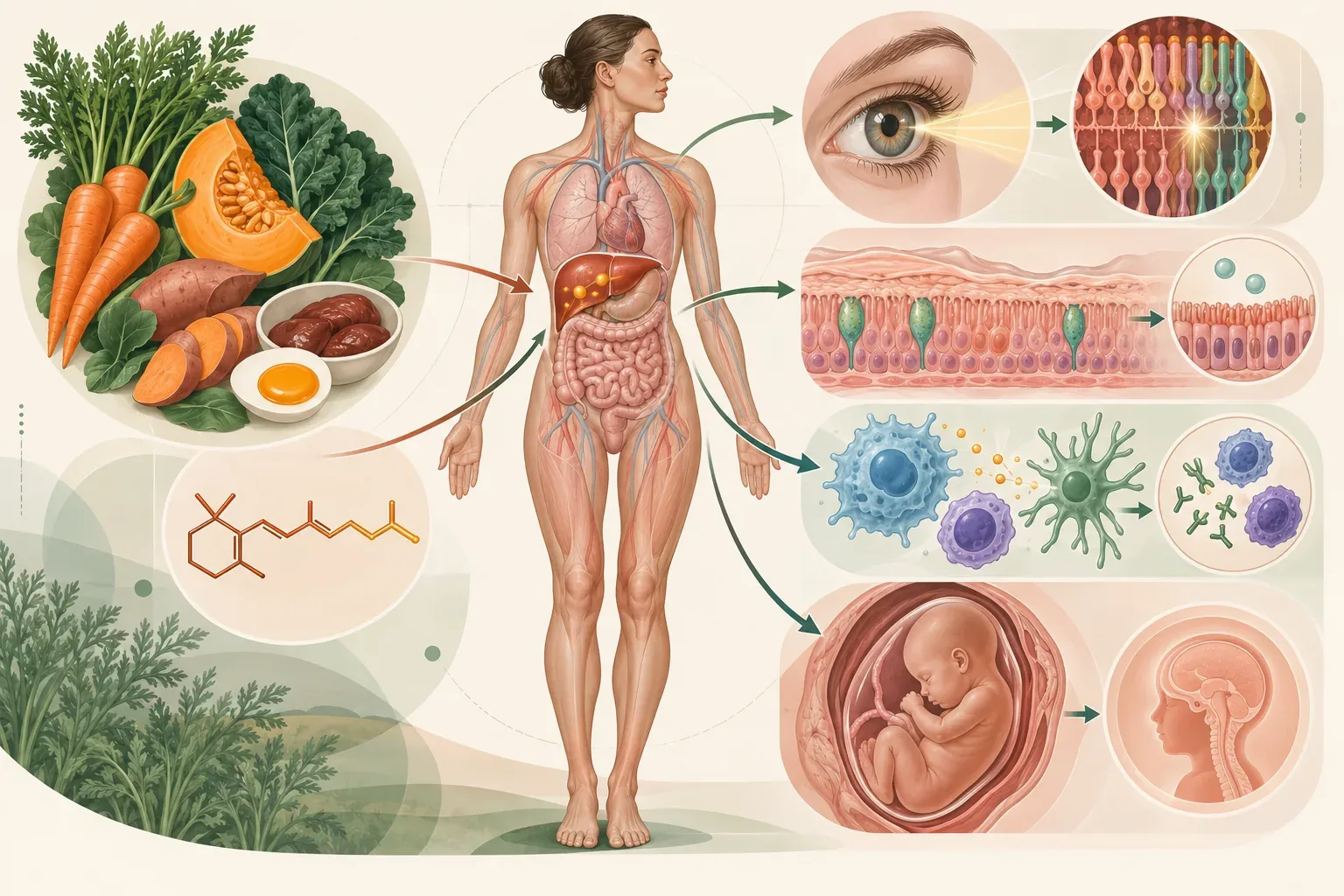
At normal nutritional amounts, vitamin E helps protect vitamin A and supports the body's use of it when correcting deficiency.
Common Myths about Vitamin E
Does more antioxidant activity mean more disease prevention?
Alpha-tocopherol can interrupt oxidation in cell membranes, but that mechanism did not turn high-dose supplements into a general heart-or-cancer protection supplement.
Does natural vitamin E have better health outcomes?
Not proven. Old IU amounts for natural RRR-alpha-tocopherol and synthetic all-rac-alpha-tocopherol convert to different amounts counted toward today's vitamin E requirement. That is a retention and label-conversion difference; the factors are under which number on the label is the amount. When label amounts are adjusted for that difference in activity, the available clinical comparisons do not show that natural vitamin E produces better health outcomes.
Does gamma-tocopherol need its own target?
No official target exists. Alpha-tocopherol supplements can lower blood gamma-tocopherol, but the study described in the science section measured blood levels only, and adding a mixed-tocopherol blend has not been shown to improve health outcomes.
Drawbacks and side effects
| Potential drawback | When/who it affects | Research evidence | Practical implication |
|---|---|---|---|
| Bleeding and hemorrhagic stroke | Supplemental high doses, especially with medicines or conditions affecting clotting. | A prevention trial found more hemorrhagic strokes; no precise universal threshold follows. | Disclose use before surgery and with anticoagulants; do not add vitamin K to fix it yourself. |
| Prostate-cancer harm in SELECT | Relatively healthy men taking synthetic alpha-tocopherol 400 IU/day. | The trial found more prostate-cancer diagnoses with vitamin E alone. | Do not use high-dose vitamin E for prostate prevention. |
| Uncertain mortality effect | High-dose prevention regimens across different populations. | Meta-analyses disagree; none establishes a universal mortality threshold. | There is no established life-extension benefit or precise dose at which death risk rises; avoid treating a high-dose product as prevention. |
Too much supplemental vitamin E can impair clotting and raise concern about serious bleeding, especially when another medicine or condition already affects coagulation. A large prevention trial in male physicians testing 400 IU of synthetic alpha-tocopherol every other day reported 39 hemorrhagic strokes with vitamin E versus 23 with placebo, although total stroke was not significantly higher. That is a trial-specific warning, not a precise threshold for every person.
Very high vitamin E may interfere with vitamin K-dependent clotting. Do not respond by adding vitamin K if you take warfarin; your prescriber uses a clotting test to adjust treatment, and an extra supplement can make that control less predictable. For surgery, see when to ask a doctor before taking.
The 1,000 mg supplemental upper limit was built around bleeding seen in animals, then reduced substantially to account for uncertainty because human studies did not show clearly how risk changes across doses.
Vitamin E during pregnancy and breastfeeding
Women need 15 mg of alpha-tocopherol a day during pregnancy and 19 mg while breastfeeding. Those amounts come from the National Academies' adequacy framework.
Count the vitamin E already present on a prenatal Supplement Facts panel before adding anything else. A separate dedicated product is not automatically needed. Women taking anticoagulants or facing a procedure should ask their obstetric and prescribing teams before adding one.
The science behind vitamin E
The science separates three jobs: preventing deficiency, preventing chronic disease in generally nourished adults, and testing specific high-dose harms. Evidence for alpha-tocopherol's essential nutritional role is strong. Large prevention trials, however, did not establish a net heart-or-cancer benefit from routine high-dose supplementation.
The National Academies based adult adequacy on keeping plasma alpha-tocopherol at or above 12 micromoles per liter and protecting red blood cells from oxidative damage. The main study first depleted and then restored vitamin E in a very small group of institutionalized adult men. Because that evidence was limited, the committee combined it with other intake data and built a safety margin into the adult requirement. That adequacy endpoint does not show that 15 mg prevents cancer, dementia, or cardiovascular disease.
The USPSTF prevention recommendation[2] advises community-dwelling, nonpregnant adults without known nutritional deficiencies not to use vitamin E supplements to prevent cardiovascular disease or cancer. This does not apply to treatment of a diagnosed deficiency.
ATBC and SELECT point in opposite directions
In ATBC[3], 29,133 Finnish male smokers age 50–69 received the historical 50 mg synthetic-alpha-tocopheryl-acetate dose described above, beta-carotene, both, or placebo for a median 6.1 years. Across the trial there were 246 prostate cancers, and the alpha-tocopherol comparison reported 32% fewer cases than no alpha-tocopherol. Prostate cancer was one of several site-specific cancer analyses, not the trial's main planned question about lung cancer. That makes the prostate result a secondary finding rather than the central result the trial was designed to test.
In SELECT[4], relatively healthy men in the United States, Canada, and Puerto Rico received 400 IU a day of synthetic all-rac-alpha-tocopheryl acetate, equal to 180 mg. Prostate cancer was an outcome chosen before the trial began: vitamin E alone produced 620 cases versus 529 with placebo. The rate difference, 1.6 additional cases per 1,000 person-years, means about 1.6 additional diagnoses for every 1,000 men followed for one year.
The synthetic source was similar, but the trials used different doses in different groups of men and in different eras. They also differed in smoking, starting vitamin E status, companion interventions, how cancers were found, and whether prostate cancer was the main planned outcome. These results do not combine into a protective low dose and a harmful high dose. What caused the split remains an open question.
The mortality reviews also conflict
Miller's 19-trial analysis[5] estimated a pooled difference of 39 additional deaths per 10,000 people over its high-dose trials’ follow-up. This is not an annual rate and does not describe one common follow-up period. Its uncertainty range ran from 3 to 74 additional deaths, meaning the analysis could not pin down the size of the possible increase. Many included studies were small, involved people with chronic disease, and mixed formulations and co-interventions.
Abner's later 57-trial analysis[6] found an overall relative risk of 1.00, meaning the combined death rate was the same in the vitamin E and comparison groups, with no significant relationship between dose and all-cause mortality. The reviews chose studies differently, treated trials with no deaths differently, and combined dose and risk in different ways. Those choices help explain why their conclusions diverged. The evidence supports caution and provides no prevention upside; it does not establish a universal dose at which mortality suddenly rises.
Alpha- and gamma-tocopherol are distinct measurements
A two-month study in 184 adult nonsmokers found that 400 IU a day of natural RRR-alpha-tocopheryl acetate lowered median serum gamma-tocopherol by 58% relative to placebo. It measured blood concentrations, not symptoms, tissue depletion, disease, or death. The result supports keeping alpha and gamma names separate, but it does not establish a gamma target or prove that adding mixed tocopherols improves outcomes.
Tocotrienol evidence does not transfer from alpha-tocopherol
A 2021 review pooled varied tocotrienol products, molecular forms, doses, populations, and follow-up periods. It found no pooled effect on several measures of inflammation and oxidative stress. Its one favorable C-reactive-protein result—an inflammation marker—came from a single delta-tocotrienol study, so that finding was not supported across the wider pool.
Vitamin E in steatohepatitis
In PIVENS[7], 247 adults with biopsy-confirmed nonalcoholic steatohepatitis, or NASH—a condition involving liver fat, inflammation and cell injury—and without diabetes received vitamin E, pioglitazone or placebo for 96 weeks. The vitamin E arm used 800 IU/day of natural RRR-alpha-tocopherol. The main biopsy improvement occurred in 43% of 84 vitamin E recipients versus 19% of 83 placebo recipients (P=.001). That composite required less liver-cell injury without worsening fibrosis. The separate comparison of improvement in fibrosis—the liver's scarring—was not significant.
This supports a specific liver-treatment use under specialist care. The trial excluded diabetes and cirrhosis, and did not show that the treatment prevents liver failure. Its natural alpha-tocopherol result does not identify a benefit for mixed tocopherols or tocotrienols.
Daily functioning in Alzheimer disease
TEAM-AD[8] enrolled 613 people with mild-to-moderate Alzheimer disease already taking an acetylcholinesterase inhibitor, a type of medicine used to treat Alzheimer symptoms. Oral synthetic DL-alpha-tocopheryl acetate, 1,000 IU twice daily, reduced decline on the 78-point ADCS-ADL daily-function scale by 3.15 points versus placebo (95% confidence interval 0.92–5.39; adjusted P=.03) over an average 2.27 years. The scale asks about activities such as dressing and eating; this was slower functional loss, rather than recovery of normal memory.
The adjusted cognitive comparisons were not significant, and combining vitamin E with memantine did not produce the same significant primary result. The publisher corrected a table value and figures[9]; the contrast above is from the corrected article. These disease-treatment findings sit alongside, rather than overturn, the prevention and bleeding concerns elsewhere on this page.
Heart failure: a harm signal that did not repeat in another population
HOPE-TOO[10] compared 400 IU/day of natural vitamin E with placebo in adults at least 55 years old with vascular disease or diabetes. Over a median seven years, major cardiovascular events did not decrease. Heart failure, a secondary outcome, was more frequent with vitamin E: relative risk 1.13 (95% confidence interval 1.01–1.26). That means an estimated 13% higher relative risk, with the uncertainty range running from about 1% to 26% higher—not 13 additional cases in every 100 people.
Physicians' Health Study II[11] studied 14,641 male physicians aged 50 or older, mostly without cardiovascular disease, using 400 IU of synthetic vitamin E every other day for about eight years. Its heart-failure comparison did not show an increase: hazard ratio 1.02 (95% confidence interval 0.87–1.20). The estimated rate over follow-up was about the same; the uncertainty range allowed anything from roughly 13% lower to 20% higher. Different baseline risk, form and schedule leave the discrepancy unresolved; neither study supports vitamin E for preventing cardiovascular events.
A separate three-year coronary-disease trial[12] tested simvastatin and niacin with or without an antioxidant combination. A 12-month analysis[13] found that the combination blunted the increase in an HDL cholesterol fraction. The antioxidants included vitamins E and C, beta-carotene and selenium, so the result cannot be assigned to vitamin E alone.
What you may have heard on podcasts
The podcasts reviewed here disagree over how to interpret the studies; they do not provide a verified dose recommendation. In a 2026 episode of The Proof, nutrition scientist Flavia Fayet-Moore raised ATBC while discussing why nutrients from food and isolated supplements can produce different outcomes. Host Simon Hill then inserted a fact-check that separated ATBC's favorable vitamin E prostate result from beta-carotene's lung-cancer harm and placed SELECT's later prostate harm beside it.
Hill also described the 15 mg in his own multivitamin. The episode supports one limited point: form, amount, population, and reason for taking vitamin E matter.
A separate route-confusion example appears in a MedCram episode about inhaled vitamin E acetate during vaping-associated lung injury. The shared “acetate” name can make the episode sound relevant to a capsule, but inhalation and oral use are different exposures; that episode cannot answer the oral form decision.
Labs
The status test is serum or plasma alpha-tocopherol. Testing is most useful when malabsorption or deficiency is suspected.
Interpreting the results
Your risk factors, cholesterol, and triglycerides affect how useful the result is. Some commercial vitamin E tests also report gamma-tocopherol. The test is most useful when malabsorption or deficiency is the question, not for fine-tuning a supplement, and neither an alpha nor a gamma result has an official target that tells you how much of a mixed-tocopherol or tocotrienol product to take.
The National Academies used a blood level at or above 12 micromoles per liter as its boundary for biochemical adequacy. A raw result can still mislead: high cholesterol or triglycerides may make alpha-tocopherol look adequate even when its concentration relative to those blood fats tells a different story. If triglycerides or cholesterol are abnormal, your doctor may consider alpha-tocopherol relative to total lipids or cholesterol rather than relying on the raw concentration. A standard lipid panel supplies those lipid measurements, but it does not measure vitamin E. [1]
Before the test if you already supplement
For its serum A-and-E profile, Mayo Clinic Laboratories[14] requires a 12-hour fast and no alcohol for 24 hours, with no separate multi-day vitamin E hold listed. Confirm whether your vitamin E softgel or multivitamin should wait until after the draw; prescribed replacement needs the prescriber’s timing instructions.
Report the dose you're taking as a supplement and when you took the last dose. Getting tested after fasting limits the effect of a recent meal, but it does not undo supplementation. Follow any preparation instructions for the accompanying lipid panel too.
The bottom line
Vitamin E is an essential nutrient. High-dose supplements have not shown a general heart or cancer prevention benefit, and some trials found harm.
For most people, the useful question is whether food supplies enough. A deficiency or an absorption problem needs its own assessment. Mixed tocopherols and tocotrienols have not established additional health-outcome benefits.
The disease-treatment evidence is more specific: PIVENS improved a liver-biopsy outcome in selected adults, and TEAM-AD slowed functional decline in Alzheimer disease.
Source notes
- NIH Office of Dietary Supplements: Vitamin E fact sheet for health professionals[1]
- [15]
- [16]
- [17]
- [2]
- [3]
- [4]
- [11]
- [5]
- [6]
- [18]
- [19]
- [20]
Additional outcome sources:
Help us improve this article
Spotted an error or found a source we should consider? Tell us which part of this article needs another look and include a link if you have one. Please leave out personal health details and lab results; we can’t answer individual medical questions.
Explore more in heart & blood pressure

Nutrient connections worth understanding
 Absorption & use
Vitamin A: Forms, RAE Math, Daily Amount, and What the High-Dose Trials Found
Connection details
Context: physiologic vitamin E
Physiologic vitamin E helps A utilization — not a reason for 400 IU.
Source for this connection
More in vitamins

References
- NIH describes vitamin E's antioxidant and transport roles ↩
- USPSTF prevention recommendation ↩
- ATBC ↩
- SELECT ↩
- Miller's 19-trial analysis ↩
- Abner's later 57-trial analysis ↩
- PIVENS ↩
- TEAM-AD ↩
- corrected a table value and figures ↩
- HOPE-TOO ↩
- Physicians' Health Study II ↩
- three-year coronary-disease trial ↩
- 12-month analysis ↩
- Mayo Clinic Laboratories ↩
- Mayo Clinic Laboratories: Vitamin E, serum, specimen requirements ↩
- National Academies: Dietary Reference Intakes for Vitamin C, Vitamin E, Selenium, and Carotenoids ↩
- FDA guidance for converting vitamin E units ↩
- Alpha-tocopherol supplementation and serum gamma/delta-tocopherol study ↩
- Tocotrienol biomarker review ↩
- The Proof episode with Flavia Fayet-Moore ↩
Corrections & updates
- Update
Updated the evidence discussion and practical guidance after editorial review.
- Update
Revised the article after editorial review, with clearer evidence explanations and practical guidance.