What is guarana?
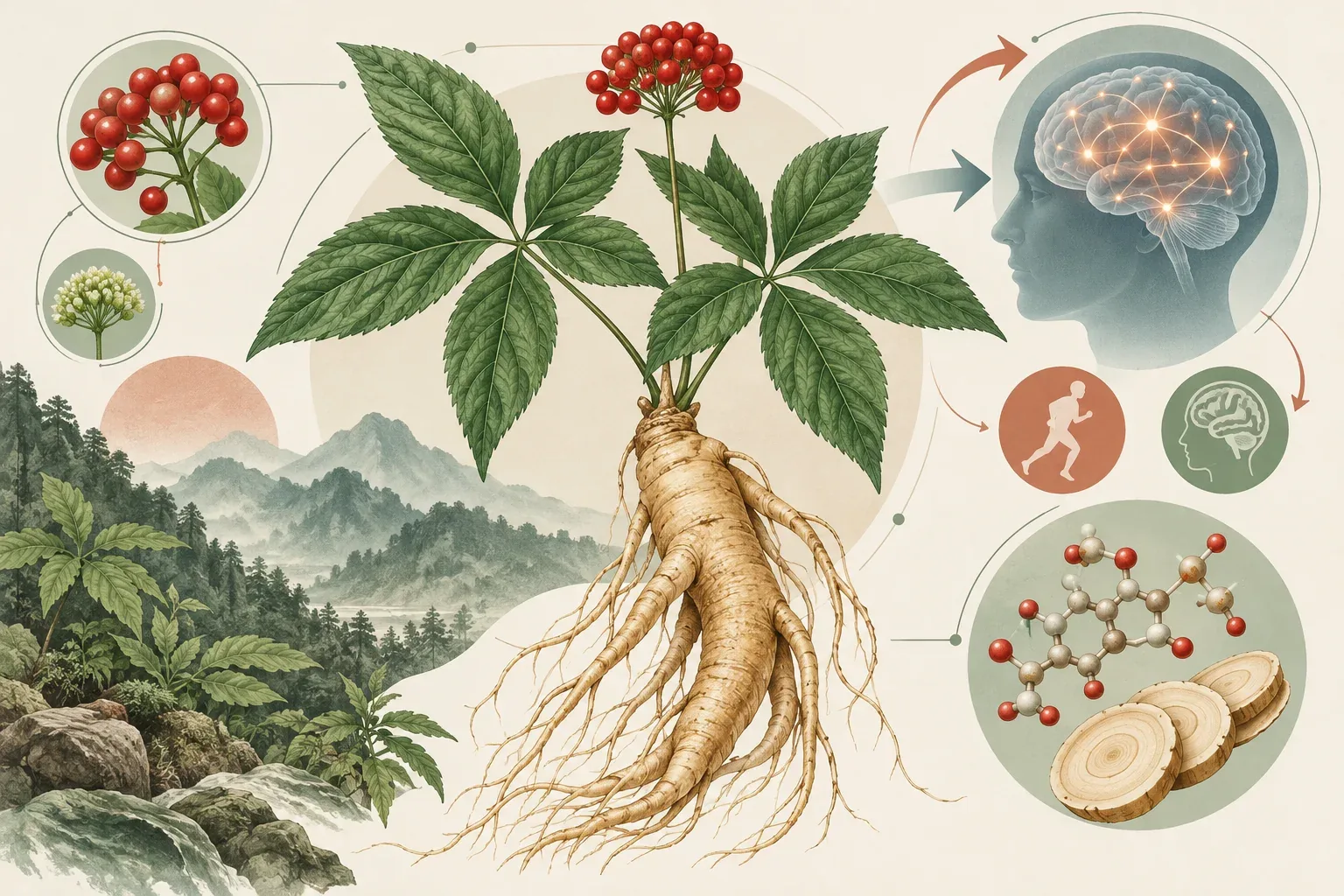
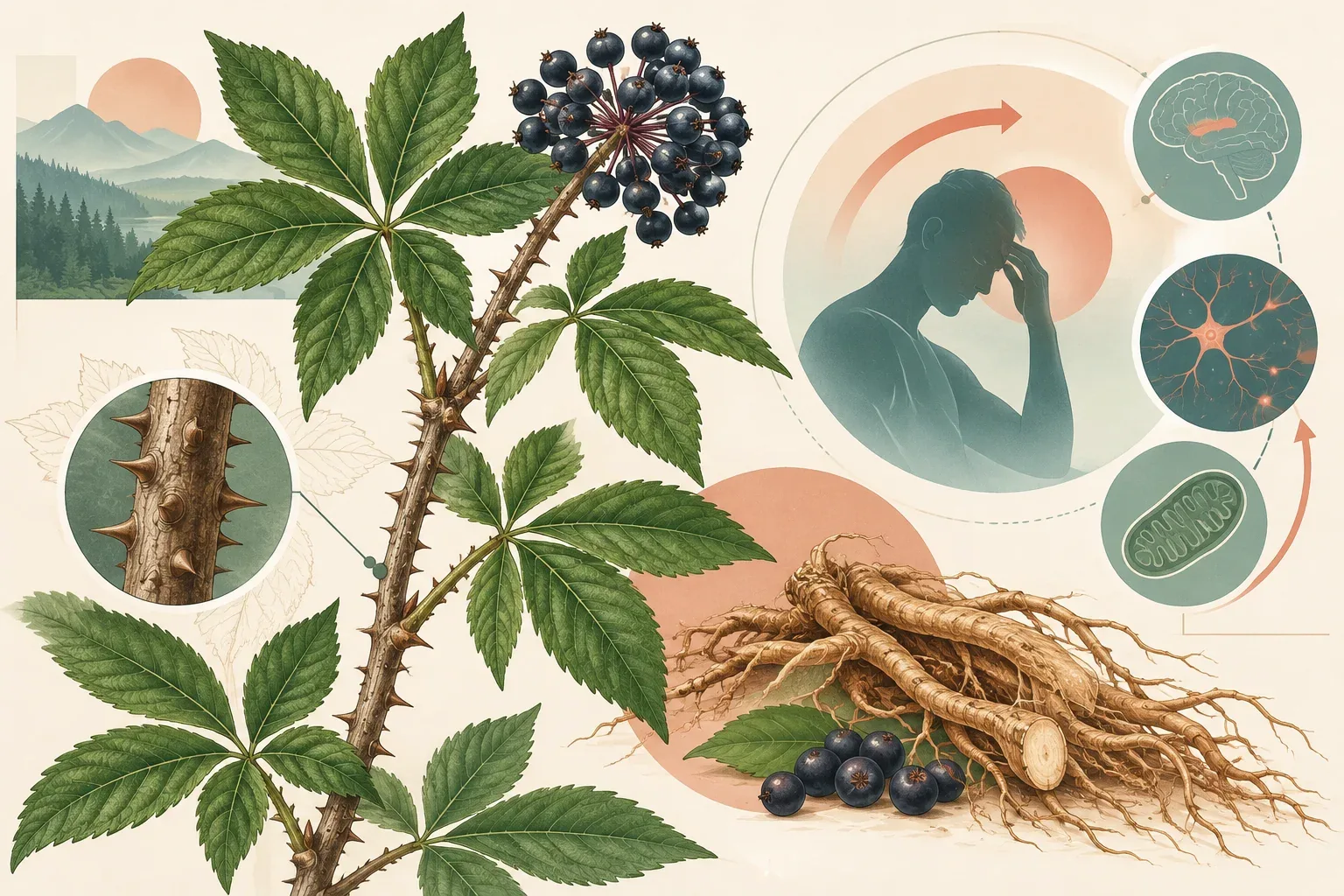
Guarana comes from the seeds of Paullinia cupana, a climbing plant native to the Brazilian Amazon. Its red fruit opens around a dark seed. The Sateré-Mawé people domesticated and processed guarana; traditional preparation includes roasting seeds, forming a hard paste and grating it into water. That history explains the beverage's cultural place, while a modern concentrated extract may contain a different amount of caffeine. [1]
Guarana supplies caffeine along with other seed compounds, including tannins. The seed and an extract can have different caffeine concentrations. Neither the botanical name nor a claim of “slow release” tells you how long a particular product will stimulate you.
The two amounts to distinguish are milligrams of guarana extract and milligrams of caffeine.
Why do people take guarana?
| Claimed benefit | Dose / form studied | Research verdict | Evidence strength |
|---|---|---|---|
| Feel more alert | Caffeine-containing preparations | Caffeine can increase alertness; the actual exposure matters. | Strong for caffeine's stimulant action |
| Improve memory or thinking | Small acute extract studies | Pooled research[2] found a small speed effect without improved accuracy. | Limited |
| Provide lasting cognitive benefit | No established long-term guarana regimen | Short task studies do not establish lasting memory or thinking benefits. | Insufficient |
| Improve exercise performance | One small cycling trial with a specified extract | More work was completed in a 15-minute time trial than with placebo; the test was too small to set a sports dose. | Limited |
Guarana appears in energy drinks, sports drinks, pre-workout mixes and capsules because it can add caffeine under a plant name. Some products also contain separately added caffeine. Our hidden-caffeine guide explains where to find and count those sources. Feeling more alert can help with a short task, but it does not replace sleep or establish lasting memory benefits.
Product formats at a glance
| Format | What the amount means | What to check |
|---|---|---|
| Roasted seed powder | Weight of ground seed, not caffeine weight | Caffeine amount or measured percentage per daily serving |
| Standardized extract capsule | Weight of a concentrated preparation | The caffeine percentage and capsule count; 500 mg at 20% caffeine means 100 mg caffeine |
| Energy or sports drink | Beverage volume and its total caffeine | Total caffeine per can or bottle, including guarana and added caffeine |
| Multi-ingredient pre-workout | A blend may conceal the guarana amount | Total caffeine for the full serving and any other stimulants |
These are label-reading categories, not recommended doses. Research used particular extracts, including 37.5–300 mg in a cognitive study and 500 mg containing 130 mg caffeine in a small cycling study. Neither establishes a daily guarana target for other products.
How much caffeine are you taking?
Check a quantified caffeine amount for the full daily serving. Guarana products vary in extraction and concentration, so a seed-weight number does not reliably reveal caffeine exposure.
Add caffeine from coffee, tea, energy drinks and other supplements. A formula can contain both guarana and added caffeine. Treating those as unrelated ingredients can hide the total you are consuming.
The FDA[3] cites 400 mg daily as an amount not generally associated with negative effects for most adults. It is a general reference, not a personal target or a guarantee of safety. Some people develop symptoms well below it, and pregnancy, age, medicines and individual sensitivity change the decision.
What should the label tell you?
Look for the seed/extract amount, caffeine per serving, number of servings used each day and all other stimulant sources. “Natural caffeine” still contributes to the same daily caffeine total.
Without a stated caffeine amount, you cannot reliably calculate the product's contribution to your daily total. A proprietary blend total cannot provide the missing ingredient amounts.
Drawbacks and side effects
| Potential drawback | When/who it affects | Research evidence | Practical implication |
|---|---|---|---|
| Jitters, anxiety or palpitations | Caffeine-sensitive users or higher combined intake | Established caffeine effects | Count all sources and stop adding stimulants if symptoms develop. |
| Sleep disruption | Later use or slow caffeine clearance | Established stimulant concern | Consider bedtime and your own response, not just workout timing. |
| Digestive upset | Some caffeine users | Recognized tolerability problem | Reassess the total exposure and formulation. |
| Withdrawal headache or fatigue | Regular users who suddenly stop | FDA describes caffeine withdrawal as unpleasant, though generally not dangerous. | If you use it daily, consider the effect of stopping abruptly. |
Too much caffeine can cause a racing heartbeat, tremor, nausea or marked anxiety. If you have an arrhythmia, troublesome anxiety, sleep problems or a medicine that may interact with stimulants, discuss your total caffeine intake with a clinician. During pregnancy, ask your prenatal clinician about a caffeine limit before adding a guarana product. Combining caffeine-heavy drinks with alcohol can make it harder to judge impairment; guarana does not cancel alcohol's effects. [3]
Persistent fatigue deserves an assessment beyond increasing stimulants. A strong “kick” does not establish a safe dose.
What do the human studies show?
Cognition and mental fatigue
A 26-person acute study[4] tested 37.5, 75, 150 and 300 mg of a specified extract. Some results favored the lower amounts. It did not establish a simple more-is-better relationship.
The review combined eight placebo-controlled studies involving 328 participants. Overall cognition did not clearly improve; response times were somewhat faster, while accuracy was not. The authors called for better comparisons with matching caffeine doses. That leaves the extra contribution of guarana's other constituents unresolved.
A 20-person crossover study[5] directly compared 500 mg guarana extract containing 130 mg caffeine with 100 mg caffeine and placebo. It did not find a clear general cognitive or mood advantage for guarana. The caffeine amounts were close but unequal, so it cannot isolate every non-caffeine effect. A separate trial of a multivitamin and mineral product with added guarana reported less mental fatigue during repeated tasks, but the combination does not isolate guarana's contribution. [6]
Exercise and weight claims
In a crossover study of eleven endurance-trained adults[7], 500 mg guarana extract containing 130 mg caffeine increased work done in a 15-minute cycling time trial after an hour of steady cycling compared with placebo. A separate 100 mg caffeine condition did not beat placebo; the guarana and caffeine doses were unequal, and this one small study cannot establish an extra effect from guarana compounds. The cognitive tests in a 25-person maximal-cycling study[8] also had selected favorable guarana comparisons, but not a consistent advantage over a caffeine comparison.
Weight-loss claims often come from multi-ingredient formulas. They cannot show that guarana alone produces a durable weight change, and the human studies here do not establish a guarana-only weight-loss regimen.
The bottom line
Guarana is a caffeine source whose extract weight does not tell you the caffeine dose. Some short cognitive and exercise tests are favorable, but results are small or inconsistent, and a reliable benefit beyond caffeine has not been established. If the product does not disclose total caffeine for the full serving, we would skip it. Count that caffeine with coffee, tea, energy drinks and other supplements, especially if sleep or palpitations are already an issue.
Help us improve this article
Spotted an error or found a source we should consider? Tell us which part of this article needs another look and include a link if you have one. Please leave out personal health details and lab results; we can’t answer individual medical questions.