What is oregano oil?
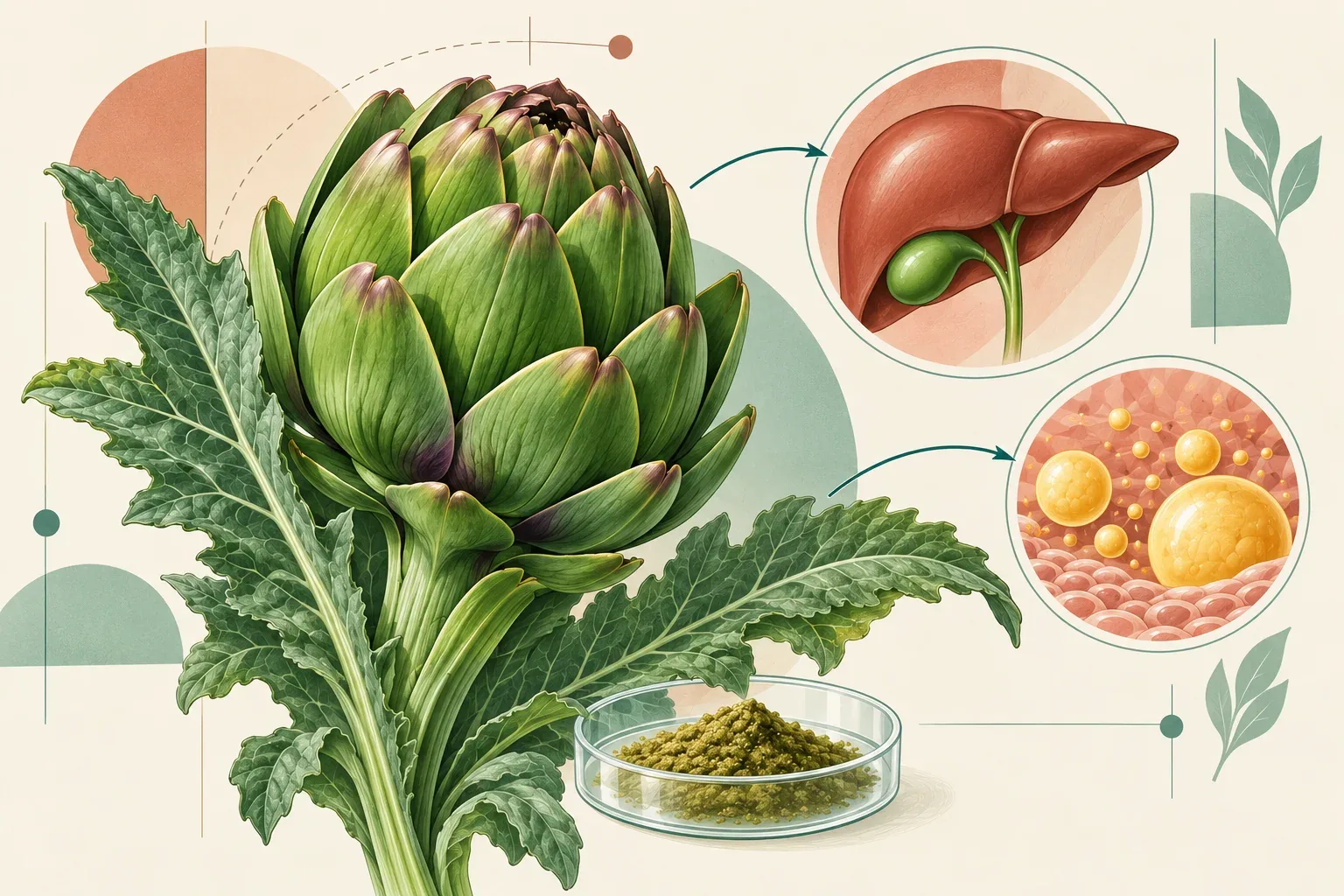
Oregano oil is a concentrated preparation from the leaves and flowering tops of plants such as Origanum vulgare, a Mediterranean herb in the mint family. Its sharp smell comes partly from volatile constituents including carvacrol and thymol. Supplements include oil diluted in a carrier and capsules intended for oral use; the species and constituent amounts vary by product.
The culinary herb, an oral oil capsule and an undiluted aromatic essential oil deliver very different exposures. Laboratory experiments have found antimicrobial activity, which helps explain the interest in gut, fungal and respiratory uses.
How was oregano used traditionally?
Oregano leaves and oils have a history of use for digestive and respiratory complaints and infections, as NIH's LiverTox account[1] describes. That history helps explain why people now seek concentrated oil for gut problems or at the start of a cold.
Why do people take oregano oil?
| Claimed benefit | Dose / form studied | Research verdict | Evidence strength |
|---|---|---|---|
| Treat intestinal organisms | Emulsified oil, 600 mg/day for six weeks in a small report | The report[2] had no control group. | Insufficient for dependable treatment |
| Address small-intestinal bacterial overgrowth (SIBO) | Two alternative multi-herb regimens in a retrospective clinic study; one included oregano oil | Breath-test results were similar between self-selected treatment groups[3]; oregano's contribution cannot be isolated. | Limited |
| Treat bacterial or fungal infection | Laboratory oil/constituent preparations; no effective human regimen established | NIH[1] distinguishes those findings from demonstrated human benefit. | Insufficient |
| Relieve sore-throat, hoarseness or cough symptoms | A throat spray containing five aromatic oils, including O. syriacum | A short randomized trial[4] found greater relief after 20 minutes, but no clear difference after three days. | Limited for that spray |
| Improve general gut health | No established universal preparation | A reliable general gut-health benefit has not been established. | Insufficient |
What do carvacrol and thymol do in laboratory studies?
Carvacrol and thymol are related aromatic compounds that can disrupt microbial cell membranes in laboratory experiments. Their concentration varies by oregano species, growing conditions and oil-making method, so a fixed “best” carvacrol percentage cannot be inferred from the species name alone. NIH[1] notes that antimicrobial and antifungal effects have been observed in laboratory and animal work but have not been established as clinical benefits in people.
Distillation concentrates the volatile compounds. Undiluted essential oil can irritate skin and mucous membranes; a product sold for aroma or external use should not be swallowed.
What should the label tell you?
Check the species, amount of actual oregano oil per serving, carrier ingredients and whether the product is specifically intended to be swallowed. Distinguish the oil amount from the total softgel fill.
If carvacrol is standardized, find both the percentage and the oil amount to which it applies. A high percentage describes composition; it does not demonstrate better results in people.
| Product format | What the label should clarify | How to interpret it |
|---|---|---|
| Undiluted essential oil | External/aromatic use and dilution directions | Do not treat an external-use oil as an oral supplement. |
| Oral drops or softgels | Oregano-oil amount, carrier and intended oral serving | A carrier changes the concentration delivered per drop or capsule; count the oil, not total fill. |
| Emulsified or enteric-coated capsules | Oil amount, any carvacrol percentage and serving size | These are formulation details, not proof of greater safety or equivalence to the 600 mg/day report. |
The report's 600 mg/day is a study exposure, not a general dose recommendation. No human comparison establishes a 60–80% carvacrol target or a standard 50–150 mg capsule regimen.
Drawbacks and side effects
| Potential drawback | When/who it affects | Research evidence | Practical implication |
|---|---|---|---|
| Heartburn, abdominal discomfort, nausea or bowel changes | Particularly higher oral exposures | Recognized in the NIH account | Stop if symptoms develop instead of assuming a “die-off” reaction. |
| Allergy | Susceptible users | Rare reactions reported | Stop; breathing difficulty or swelling needs urgent care. |
| Pregnancy risk | Women considering medicinal quantities | NIH safety warning | Avoid self-directed supplemental oregano oil during pregnancy. |
| Unclear concentrated-product safety | Undiluted or nonoral oils and mixtures | Oral-study findings do not characterize these | Do not swallow products labeled for aromatic or external use; ask a pharmacist before considering an unclear oil product. |
| Possible medicine interactions | People using blood thinners or glucose-lowering drugs | Human interaction data for concentrated oregano oil are limited | Ask a pharmacist to check the actual product and medicines; a mandatory two-week surgery stop rule or a predictable blood-sugar drop has not been established for oregano oil. |
Seek prompt medical advice for bleeding, dehydration or fever with significant illness. Arrange assessment for continuing diarrhea or unexplained weight loss; the clinician can decide which tests fit the symptoms.
What does human research show?
Intestinal organisms and SIBO
The small report followed 14 adults whose stool samples contained particular protozoal organisms. After six weeks of an emulsified oil preparation, some organisms were no longer detected and some participants reported fewer symptoms.
Without a placebo or comparison group, the report cannot tell us how much improvement came from the oil rather than normal variation or other factors.
The author affiliations include Biotics Research Corporation, a supplement manufacturer, so the report should not be described as independent product testing.
A 2014 clinic-record study[3] followed 104 people with a positive SIBO breath test who chose either rifaximin or one of two multi-herb regimens; one regimen included oregano oil. A follow-up breath test was negative in 17 of 37 people choosing herbs and 23 of 67 choosing rifaximin. The groups were not randomized, and the report pooled the two herbal regimens.
Candida and other laboratory antimicrobial findings
Oregano oil and its constituents inhibit some bacteria and fungi, including Candida, under laboratory conditions. These experiments help researchers choose what to test, but they do not provide a validated oral or topical regimen for a human fungal infection. The controlled clinical evidence for oregano oil alone remains thin.
Respiratory symptoms
A randomized throat-spray trial[4] used a mix of five essential oils, one from Origanum syriacum, in people with upper respiratory symptoms. Participants reported greater relief of their worst symptom 20 minutes after the spray than after placebo, but the groups did not clearly differ after three days. That study concerns a short-course spray, not swallowing O. vulgare oil for a cold. The mixture also prevents attributing any result to oregano alone.
Amounts and duration in the studies
The report describes 600 mg daily of emulsified oregano oil—oil dispersed in a formulated preparation. Its abstract does not give the full carrier/fill breakdown, leaving the pure constituent amount unclear.
The bottom line
Oregano oil contains carvacrol and thymol, compounds with interesting laboratory antimicrobial activity. The human evidence is more specific: one uncontrolled report followed 14 people with intestinal organisms; a SIBO comparison used multi-herb products in self-selected groups; and a respiratory trial tested a five-oil throat spray.
If you consider a supplement, check the species, actual oil amount, carvacrol percentage when given, carrier and intended route. Do not swallow undiluted oil sold for external use. Pregnancy and regular medicines deserve an individual safety check.
Help us improve this article
Spotted an error or found a source we should consider? Tell us which part of this article needs another look and include a link if you have one. Please leave out personal health details and lab results; we can’t answer individual medical questions.